Western Condolences for Bangladesh Student Leader Spark Diplomacy Debate

Western Condolences for Bangladesh Student Leader Spark Diplomacy Debate
Western condolences for a polarising Bangladeshi student leader ignite a global debate over democracy norms and regional tensions.
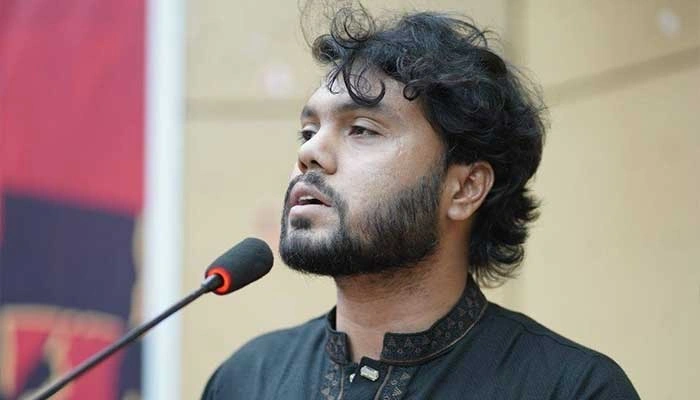
Western embassies in Bangladesh issued condolence messages for Sharif Osman Hadi, a polarising student leader known for hard-edged anti-India rhetoric and advocacy of territorial claims. The move has sparked questions about how Western democracies balance support for democracy and minority rights with the optics of mourning a figure linked to groups pushing a Sharia-based agenda. The episode underscores a broader diplomatic controversy that stretches beyond Dhaka and into international audiences.
Hadi’s profile rose during Bangladesh’s 2024 student uprising, which culminated in political upheaval and the ouster of a former prime minister. He remained a vocal critic of the previous leadership and a proponent of stringent regional stances. His funeral drew attention from national observers and highlighted how a controversial figure’s legacy can complicate regional diplomacy.
The death itself occurred in broad daylight in Dhaka, when gunmen on a motorcycle shot Hadi. He later died of his injuries, sending shockwaves through campuses and streets where thousands had already gathered to mourn. The violence surrounding his passing has intensified scrutiny of security, media freedom, and the electric atmosphere ahead of the February elections.
Domestic responses have been a mix of grief, protests, and concern over law-and-order lapses. A senior Bangladeshi journalist warned that post-death violence risked targeting media and cultural institutions, signaling worrisome patterns ahead of a charged political season. Coverage from multiple outlets has noted the involvement of higher-profile figures at the funeral and the way such moments can become flashpoints for national narrative battles.
Internationally, Western diplomats’ condolences have provoked debate over consistency in championing democracy and minority rights while engaging with inflammatory voices. Critics say the messages may appear incongruent with Hadi’s anti-India rhetoric and his group’s agenda, prompting questions about how foreign powers calibrate support during crises. The episode thus raises questions about foreign policy calculus, media freedom, and the health of Bangladesh’s political landscape as it heads toward elections.
