Global Push to Ban Social Media for Under-16s Gains Ground

Global Push to Ban Social Media for Under-16s Gains Ground
Countries from Australia to Britain explore strict under-16 social media bans and new safeguards to shield kids online.
Global social media regulation is tightening as Australia takes a landmark step by banning access for anyone under 16, a move that has sparked a wave of discussions in other countries. This trend reflects growing concerns about the impact of social platforms on children's health, safety, and daily routines.
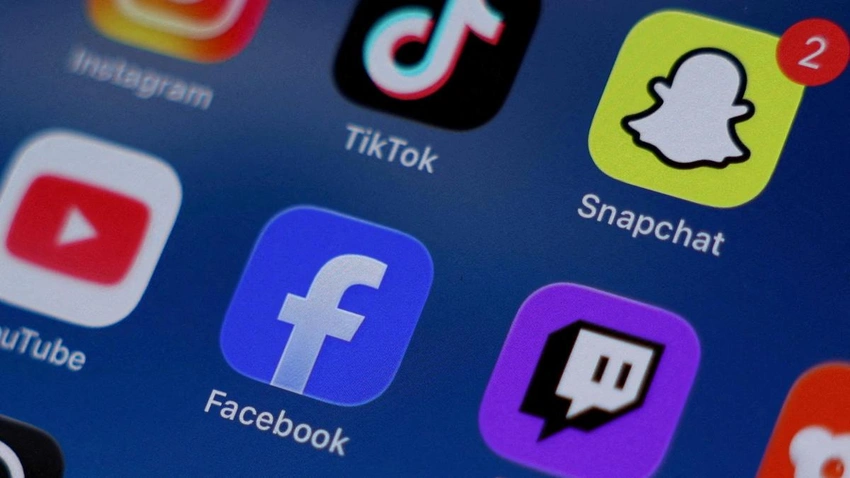
Australia's law, which took effect on December 10, 2025, requires major platforms to block minors under 16 from services such as TikTok, YouTube, Instagram, and Facebook. Companies that fail to comply could face penalties of up to A$49.5 million. Advocates say the rule sets a new standard for platform responsibility in safeguarding younger users.
Around the world, lawmakers are weighing similar steps. Denmark has already moved to ban under-15 use, while Brazil's Digital Statute ties under-16 accounts to a legal guardian and curtails addictive features like infinite scroll. In Britain, policymakers are considering an Australia-style ban and will test social media bans, curfews, and stricter AI safety rules in the homes of hundreds of teenagers to measure effects on sleep, family life, and schoolwork.
In Asia, China has introduced a minor mode with device-level restrictions and age-appropriate app rules, and Norway plans a ban on under-16s. Other European countries are debating age thresholds and enforcement approaches as digital access remains deeply intertwined with daily life.
The overarching aim is to shield children from potential harms while balancing questions of freedom, access, and parental responsibility. Critics warn about enforcement challenges, loopholes, and unintended consequences, such as pushing young users toward less regulated spaces or widening the digital divide. Policy makers argue that thoughtful, cross-border collaboration will be essential as platforms grow increasingly global.
As governments, platforms, and families navigate these changes, the central question remains: will tighter rules curb risky behavior or drive youths toward more opaque corners of the internet? The coming years will reveal how much appetite there is for a sweeping, globally aligned standard.
