Gen Z surge reshapes Nepal's high-stakes 2026 polls

Gen Z surge reshapes Nepal's high-stakes 2026 polls
Nepal's 2026 general election tests generational change as parties duel for a majority while youth-led protests shape the campaigning.
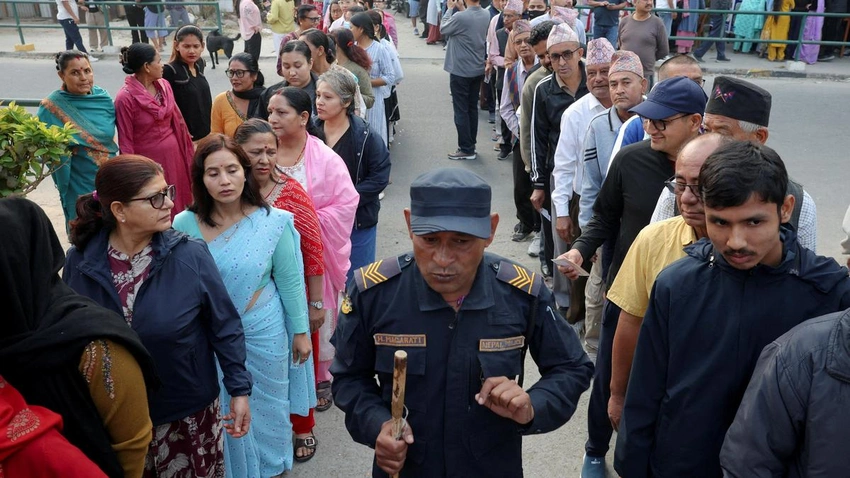
Two days of Gen Z protests helped push Nepal’s general election two years ahead of schedule, setting the stage for a high-stakes contest for a 275-member House. Polls opened across 77 districts at 7 a.m. and closed at 5 p.m., with the Election Commission overseeing 23,112 polling centers and 10,963 polling stations. Early estimates pointed to a turnout around 60 percent as voters weighed change against experience.
The electoral battlefield features both traditional powerhouses and newer reform-minded outfits. The Communist Party of Nepal (Unified Marxist–Leninist) is led by former prime minister KP Oli, hoping to regain influence after the 2025 government’s fall amid student protests. Prachanda’s Nepali Communist Party remains a major force in the left, framing its campaign as a response to past governance while attempting to shed some of its old-guard associations.
The Nepali Congress, now presenting younger faces such as Gagan Thapa, is trying to pivot from its long-standing “old guard” image and appeal to younger voters seeking accountability and renewal. A rising force is the Rastriya Swatantra Party, led by Ravi Lamichhane with Balendra Shah as a senior figure, which has drawn significant youth support with messages of anti-corruption and generational change. The Rastriya Prajatantra Party persists as a right-wing option advocating traditional values and constitutional monarchy.
With 65 parties contesting the 275-seat House, many analysts say no single party is likely to win an outright majority. That reality is fueling expectations of post-election coalitions and bargaining as parties reassess alliances in a rapidly shifting political landscape. Beyond policy debates, voters are weighing the legacy of the Gen Z protests—focused on accountability, governance, and a desire for a generational refresh.
As results begin to trickle in, observers will watch whether the momentum behind youth-led movements translates into real, durable power or yields a reshuffled old guard with a refreshed frontline. The coming days will reveal how Nepal navigates a path toward stable governance amid a crowded field and a public eager for change.
