U.S. Tops Recipient List as China’s Loans Reach $2.2 Trillion

U.S. Tops Recipient List as China’s Loans Reach $2.2 Trillion
A global lending study shows China remains the biggest official creditor, with the United States as the top borrower and a shift toward high-tech infrastructure.
A new, global lending tracking study lays out the scale of China's official financing from 2000 through 2023, tallying about $2.2 trillion in loans and grants across 200 countries. The findings show Beijing’s credit footprint is expanding beyond developing nations, with a growing share going to upper-middle- and high-income economies. The loans are directed toward infrastructure, critical minerals, and high-tech assets such as semiconductor-related projects, data centers, and energy infrastructure.
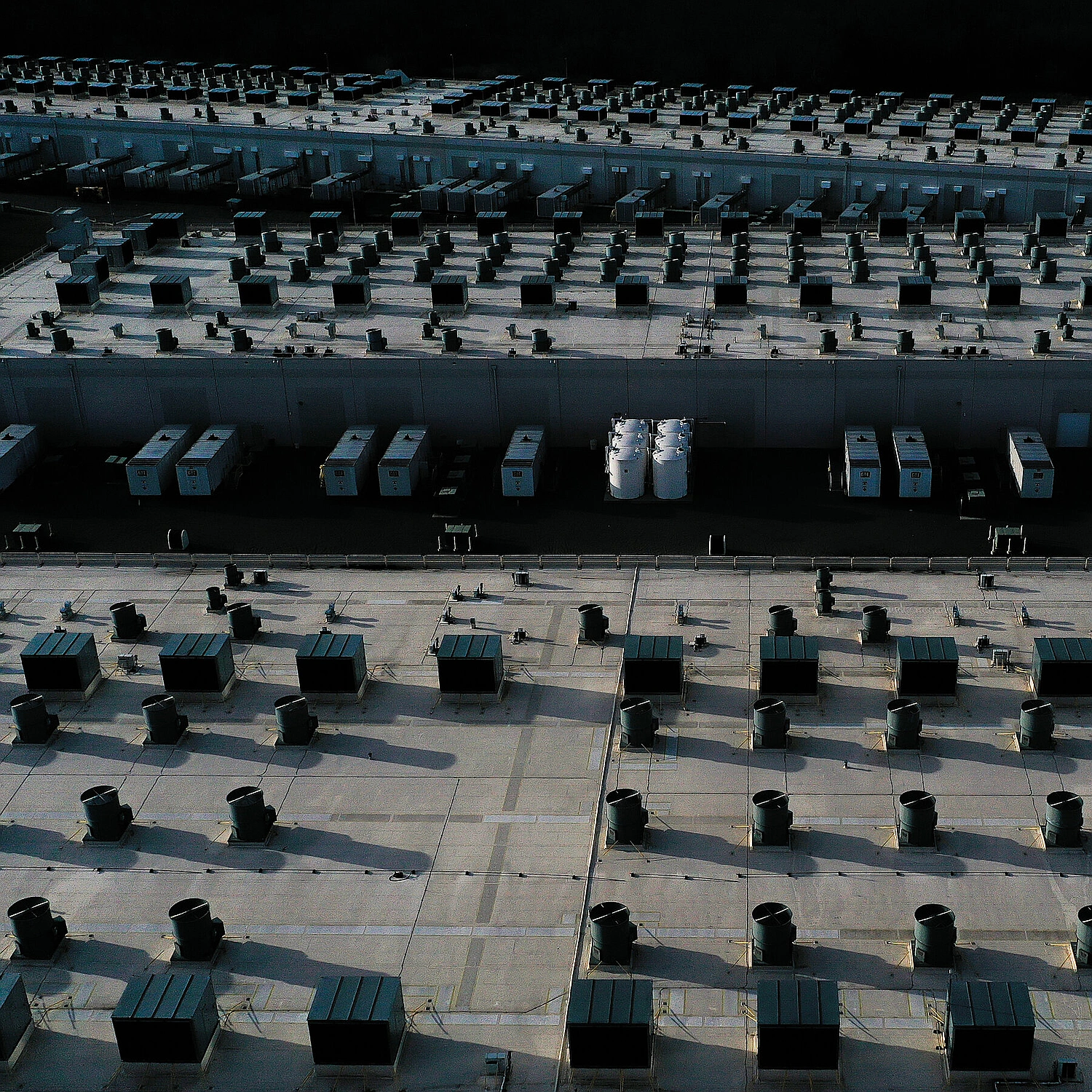
Among the beneficiaries, the United States stands as the largest single recipient, receiving more than $200 billion in official sector credit on roughly 2,500 projects. The report highlights financing that underpins LNG plants in Texas and Louisiana, data centers in Northern Virginia, and airport terminal enhancements at New York's JFK and Los Angeles International. It also cites support for the Matterhorn Express Natural Gas pipeline and the Dakota Access pipeline, illustrating the breadth of Chinese lending across sectors in the United States. Chinese state-owned entities have also provided credit facilities tied to many Fortune 500 companies.
Observers note that Beijing's overseas lending is now believed to be two to four times larger than prior estimates, reinforcing China’s status as the world’s largest official creditor. The shift toward advanced economies and strategic assets is framed as part of Beijing's broader economic and geopolitical strategy, including investments in critical minerals and high-tech supply chains such as semiconductors and AI capacities.
Policy makers in receiving countries often weigh concessional terms, repayment risks, and the political implications of such finance. While some projects promise jobs and infrastructure, critics warn of debt-trap concerns and long-term dependence. The study's authors emphasize that tracing these loans helps illuminate how state lenders are influencing global investment patterns and how borrowers manage debt in a rapidly evolving financial landscape.
Overall, the report underscores a pivot in how China extends influence through finance, with the United States at the center of a broad and growing portfolio that spans continents and sectors.
Cover image source: Poor Countries Got $1 Trillion From China. So Did Rich Ones. 🔗
