Govt tables FCRA amendment bill amid opposition protests in Lok Sabha

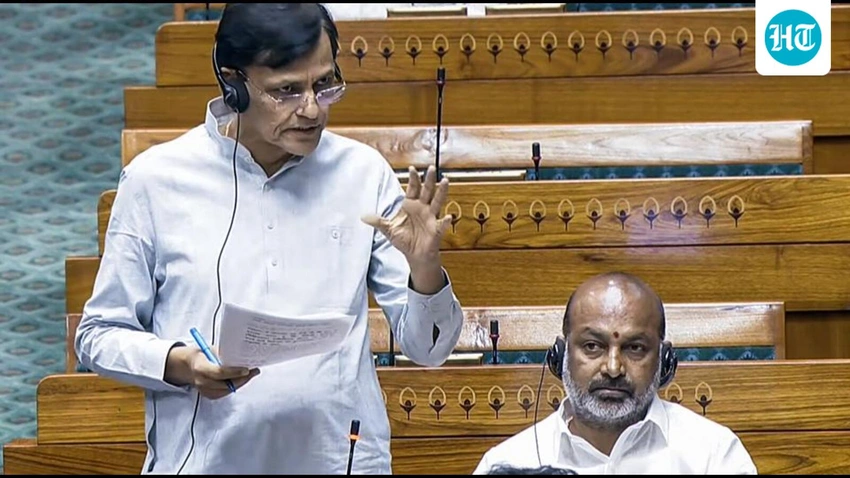
Govt tables FCRA amendment bill amid opposition protests in Lok Sabha
Govt moves FCRA amendment bill, proposing a designated authority to seize assets and tighten penalties, as opposition voices concerns over executive overreach.
The government on Wednesday introduced the Foreign Contribution Regulation Amendment Bill, 2026 in Lok Sabha, aiming to tighten the oversight on foreign contributions to non-governmental organisations. The bill drew sharp criticism from opposition parties who argued it would give the executive sweeping powers to scrutinise and control NGO work, with concerns that the changes could chill civil society. Ministers, however, argued the amendments are necessary to curb misuse of foreign funds for conversions and other personal gains, and to strengthen transparency in how money meant for public welfare is used.
Key provisions include the creation of a designated authority empowered to vest, manage, and dispose of assets created with foreign funds when a group’s registration is cancelled, surrendered, or not renewed; a reduction of maximum imprisonment for FCRA violations from five years to one year; and time-bound utilisation requirements for funds received under prior permission. The bill also sets out provisional and permanent vesting mechanisms, regulates asset handling during suspensions, and rationalises penalties, while mandating prior government approval for investigations into funded organisations.
The government notes that around 16,000 associations are currently registered under FCRA, collectively receiving about ₹22,000 crore annually, underscoring the scale at which foreign funding operates. The present act, enacted in 2010 and amended in 2016, 2018 and 2020, governs acceptance and use of foreign contributions to ensure national interests, public order and security are not compromised.
Opposition criticism: Congress and Trinamool Congress leaders contended that the amendments would concentrate power in the Centre, eroding space for civil society. The government countered that the aim is to stop mis-utilisation, not to curb legitimate activities. Nityanand Rai, the minister of state for home affairs, defended the bill, saying the Modi government will not tolerate misuse of foreign funding and will take stringent action against those elements. Observers say the bill could redefine NGO oversight and raise questions about due process and accountability.
With the bill tabled, the debate moves to Parliament’s ongoing session as lawmakers scrutinise the provisions and potential safeguards. If enacted, the proposed framework would enable the designated authority to act more decisively on affected organisations and could affect funding dynamics for several NGOs. Supporters emphasise transparency; opponents warn of chilling effects on civil society.
