Patel Lashes Out at Reporters as Defamation Fight Escalates

Patel Lashes Out at Reporters as Defamation Fight Escalates
DOJ officials defend a bombshell report while a $250 million defamation suit questions media accountability and the boundaries of reporting.
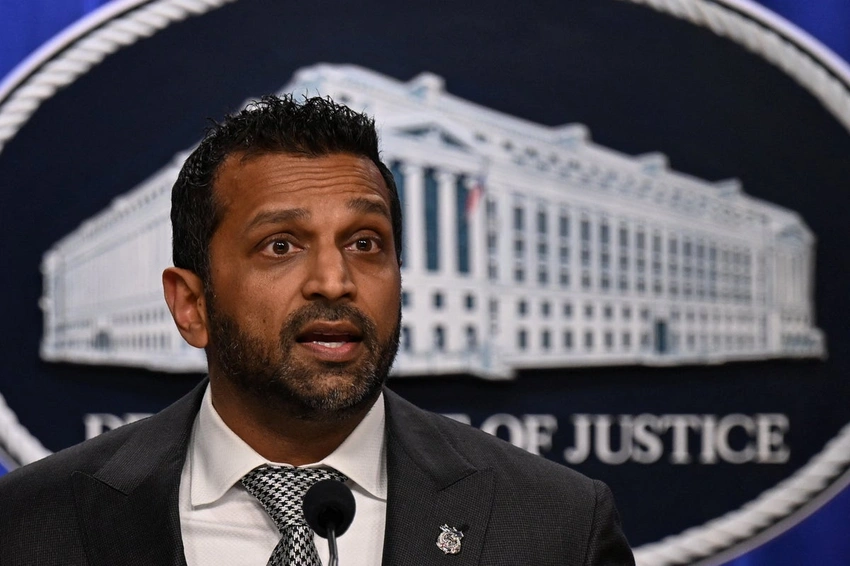
In a crowded Department of Justice press conference, FBI director Kash Patel and Acting Attorney General Todd Blanche pushed back against questions about Patel’s alleged conduct at the bureau, arguing the inquiries come after a bombshell investigative report and are part of a broader scrutiny of leadership at the agency. Patel, describing himself as an everyday American who loves his country and his sport, said he has never been intoxicated on the job and accused reporters of pursuing baseless narratives. “I never listen to the fake news mafia,” he stated, insisting that louder questions merely signal that he’s doing his job.
Patel’s team has filed a $250 million defamation lawsuit against the outlet behind the report and the journalist who produced it, arguing that the piece relied on interviews with more than two dozen people and painted a distorted picture. The article also described a routine technical problem with Patel’s computer access that he reportedly interpreted as being fired by the White House. The lawsuit acknowledges the technical issue but contends that the depiction of the incident was false and defamatory.
During the briefing, Patel pressed a question about public perception, asking, “How many people believe that’s true?” He reiterated that he would continue to serve as long as the president and attorney general asked him to do so and called the reporting an “absolute lie.” Blanche echoed the sentiment, framing the allegations as part of a partisan battleground that distracts from governing responsibilities. While the defense argues the claims are unfounded, the exchange underscored the high-stakes clash between leadership at the nation’s top law-enforcement agencies and a furious media environment under intense political scrutiny.
Analysts note the dispute illustrates the fragile boundary between government transparency and media accountability in a climate where national security and personnel matters often become political flashpoints. The outlet and journalist face legal challenges, while the defamation suit keeps the spotlight on what constitutes responsible reporting when influential figures are involved. The public will monitor how the litigation unfolds and what it reveals about accountability, press freedom, and the dynamics of power surrounding federal agencies.
