Sibal Challenges Anti-Defection Law: SC to Review Merger Rule!

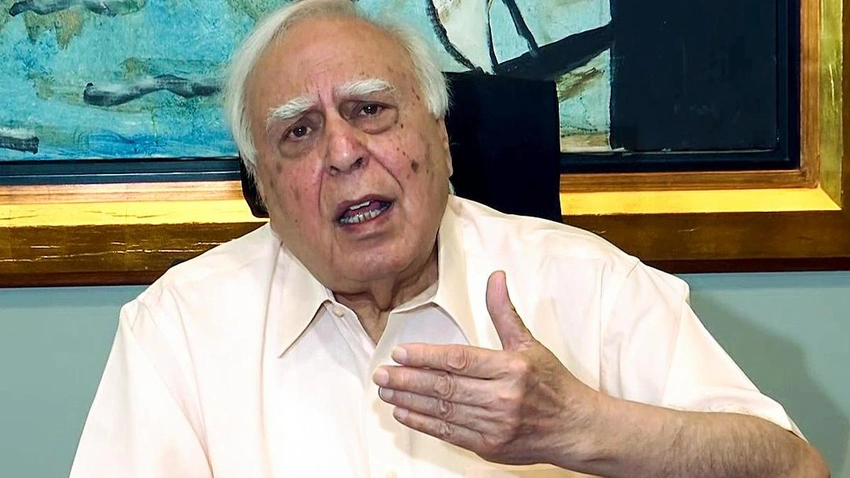
Sibal Challenges Anti-Defection Law: SC to Review Merger Rule!
Senior advocate Kapil Sibal has moved the Supreme Court, challenging the anti-defection law's merger rule. The SC will examine the Tenth Schedule provision, which Sibal argues has 'huge repercussions' on India's politica
Senior advocate Kapil Sibal has taken a significant legal step by moving the Supreme Court to challenge the interpretation of the anti-defection law, specifically focusing on its merger rule under the Tenth Schedule of the Constitution. This move has drawn attention as the Supreme Court has agreed to examine the crucial provision.
Sibal, a veteran lawyer and politician, has argued that the current interpretation of this law carries "huge repercussions on our polity". He highlighted a concerning scenario where, due to the existing provision, a minority party could potentially transform into a majority, or conversely, a majority could find itself reduced to a minority. Such shifts, he contends, undermine the democratic process and the stability of elected governments.
The Tenth Schedule, commonly known as the anti-defection law, was introduced to prevent political defections. However, its merger clause allows for groups of legislators to merge with another party without facing disqualification. Sibal's challenge seeks to clarify or reinterpret this aspect, aiming to address what he perceives as a loophole that can be exploited for political maneuvering rather than legitimate political realignment. The Supreme Court's decision to scrutinize this matter signals the importance and complexity of the issues raised, and the outcome could have lasting implications for India's political landscape.
