HPV Vaccine Triumph: Zero Cervical Cancer Deaths in Young English Women!

HPV Vaccine Triumph: Zero Cervical Cancer Deaths in Young English Women!
Groundbreaking study reveals HPV vaccine has eliminated cervical cancer deaths in young women aged 20-24 in England. A monumental public health success saving hundreds of lives! #HPVVaccine
A landmark study has revealed truly astonishing results: the HPV (human papillomavirus) vaccine has led to zero cervical cancer deaths in young women aged 20 to 24 in England between 2020 and 2024. This marks the first time such a five-year period has seen no deaths in this age group, a testament to the success of the vaccination program introduced in 2008.
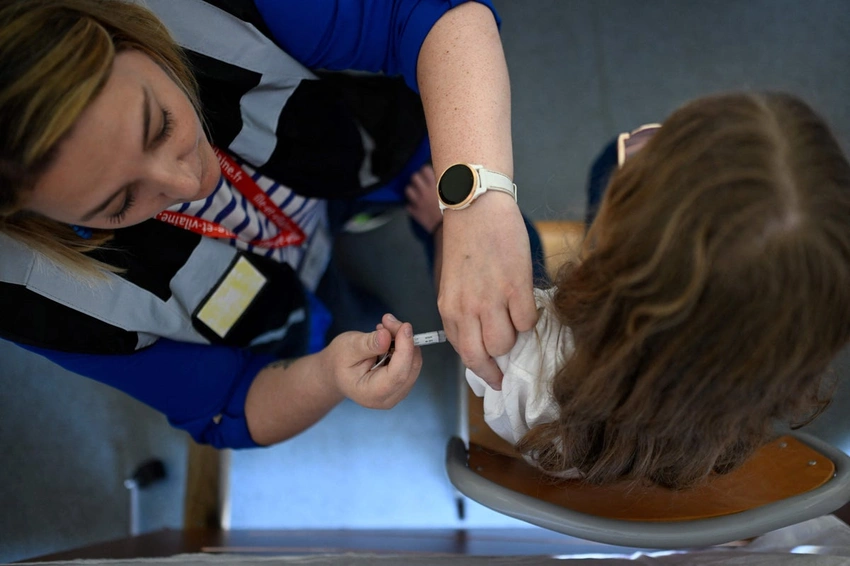
Children vaccinated at ages 12–13 against HPV now face close to zero risk of dying from cervical cancer before the age of 30. This initiative has already saved approximately 200 lives in England. Without vaccination, around 23 deaths would have been expected in the 20-24 age group during the specified period, underscoring the vaccine's incredible impact.
Professor Peter Sasieni, lead researcher at Queen Mary University of London, expressed his amazement, stating, "It's incredible to think that a single jab can almost eliminate a particular type of cancer." This sentiment highlights the revolutionary nature of the vaccine in preventive medicine.
Cervical cancer remains the 14th most common cancer among females in the UK, with about 3,300 diagnoses annually. HPV, a virus spread through close skin-to-skin contact, is responsible for 99% of these cases. While most HPV infections resolve on their own, some can cause abnormal cell changes that may develop into cancer years later.
The report's authors anticipate a continued decline in cervical cancer deaths as more people receive the HPV jab and the vaccinated population ages. Cancer Research UK, which funded this crucial research, hailed the findings as an "incredible milestone."
However, Michelle Mitchell, CEO of Cancer Research UK, also issued a word of caution: vaccination rates in England are currently below recommended levels. "We know the HPV vaccine is extremely effective at stopping cervical cancer before it starts and for the first time these findings show it is saving lives," she said, emphasizing the need to improve uptake to maximize the vaccine's protective potential for future generations.
