Manhattan Sidewalk Repair: Your Guide to DOT Compliance & Concrete Restoration

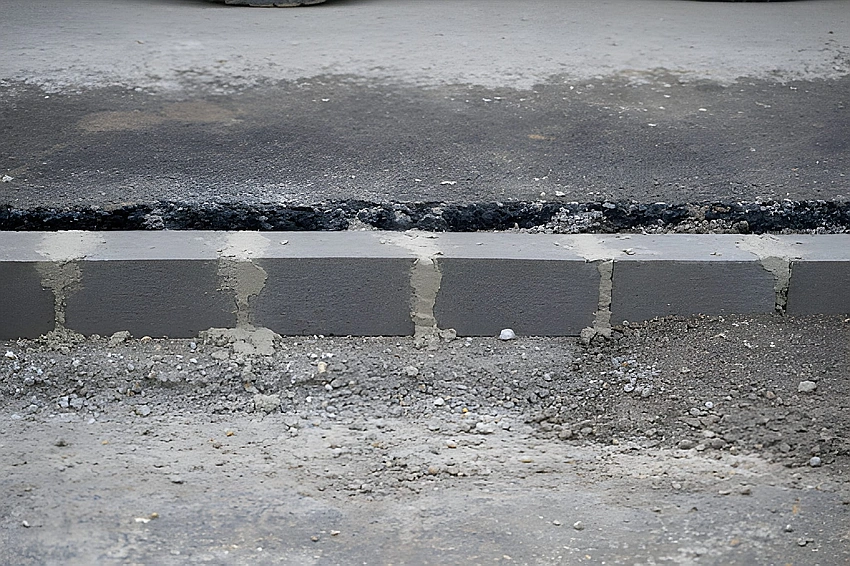
Manhattan Sidewalk Repair: Your Guide to DOT Compliance & Concrete Restoration
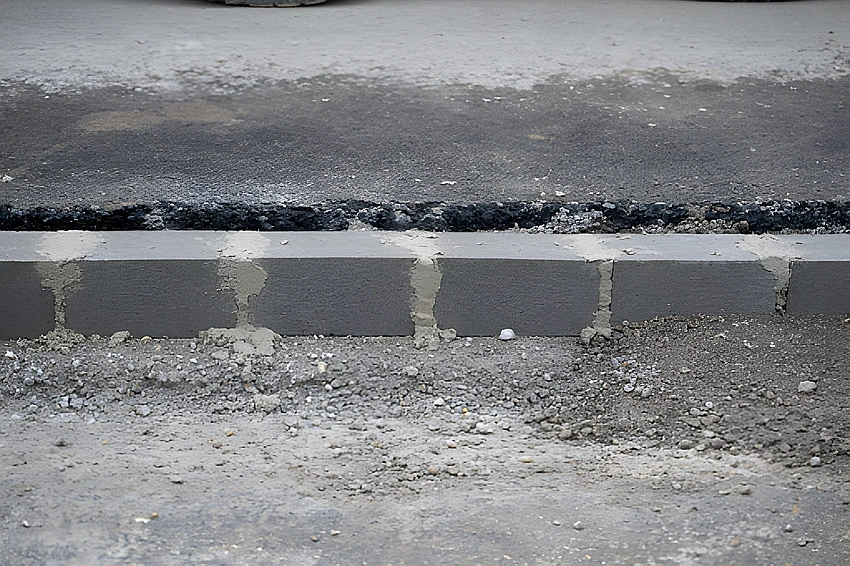
Imagine strolling through the bustling streets of Manhattan, only to trip over a cracked sidewalk slab—it's a common hazard that sends thousands to the ER each year. As a property owner in the Big Apple, you're not just responsible for your building's curb appeal; you're legally on the hook for keeping those sidewalks safe. But fear not: this comprehensive guide to sidewalk concrete repair Manhattan 🔗 will walk you through everything from DOT compliance to expert concrete restoration. Whether you're a homeowner in Chelsea or a landlord in Midtown, you'll learn how to navigate repairs, slash costs, and boost your property's value. By the end, you'll be equipped to turn potential pitfalls into polished pathways.
Why Sidewalk Maintenance Matters in Manhattan's Urban Jungle
Manhattan's sidewalks aren't just concrete underfoot—they're the veins of the city, ferrying over 1.6 million pedestrians daily through its iconic grid. Yet, with heavy foot traffic, freeze-thaw cycles, and tree roots pushing up slabs, wear and tear is inevitable. Neglecting repairs doesn't just risk fines; it invites lawsuits and safety scares. According to NYC's Department of Transportation (DOT), property owners face liability for injuries under Administrative Code §7-210, making proactive sidewalk concrete repair Manhattan a smart move.
In this guide, we'll dive deep into your responsibilities, the nitty-gritty of compliance, restoration techniques, real-world examples, and even FAQs to demystify the process. Plus, we'll touch on how services like sidewalk repair contractor Brooklyn and sidewalk repair contractor Staten Island can inform Manhattan strategies, given the shared DOT rules across boroughs. Ready to step confidently? Let's get started.
Understanding Your Legal Responsibilities as a Manhattan Property Owner
Owning property in Manhattan comes with perks—like skyline views—but also duties that extend beyond your front door. Under NYC Administrative Code §7-210, enacted in 2003, you're tasked with maintaining the sidewalk adjacent to your building in a "reasonably safe condition." This includes everything from crack repairs to full replacements, and yes, even snow and ice removal in winter.
Who Bears the Burden?
Simply put: you do. The city shifted responsibility from municipal coffers to property owners to cut costs and encourage upkeep. Exceptions include city-owned lots like parks or one-to-three family owner-occupied homes with tree-root damage that may qualify for Parks Department aid. For most Manhattan brownstones and high-rises, though, it's on you. Fail to act, and the DOT can step in after 75 days, billing you at premium rates—often $15–$25 per square foot, plus liens on your deed.
The Stakes: Liability and Fines
Trip-and-fall claims in NYC cost insurers over $500 million annually, with sidewalks as prime culprits. As an owner, you're liable for medical bills, lost wages, and pain-and-suffering awards if negligence is proven. There are no direct fines for violations, but ignored notices lead to enforced repairs and escalating costs. Expert tip from construction pros: Document everything—photos, receipts, permits—to shield against disputes.
Proactive owners in dense areas like the Upper West Side swear by annual inspections. "Compliance isn't optional; it's insurance against chaos," notes a veteran NYC contractor with 37 years in the field. By prioritizing sidewalk concrete repair Manhattan, you protect your wallet and your walkways.
Spotting and Addressing Common Sidewalk Defects
Manhattan's sidewalks tell tales of urban grit: heaving slabs from subway vibrations, cracks from salt de-icing, and voids from erosion. The DOT's Property Inspection Report (PIR) flags issues citywide, with Manhattan seeing over 10,000 violations yearly.
Top Defects to Watch For
Cracked or missing flags involve full-depth cracks wider than 1/4 inch or absent 5x5-foot slabs, signaling replacement time. Trip hazards include vertical lips over 1/2 inch between slabs—pure lawsuit bait in pedestrian-heavy spots like Times Square. Undermining and voids show as loose, rocking flags or visible gaps underneath, inviting further damage. Drainage woes occur when slabs pond water or slope wrong, more than 2% cross-slope, violating specs and breeding ice. Hardware hazards include protruding cellar doors or non-skid surfaces that deflect over 1 inch underfoot.
Early Detection Saves Dollars
Scan your sidewalk quarterly, post-winter. Apps like NYC 311 let you report issues before they escalate. For minor cracks under 1/4 inch, sealants work wonders; anything bigger demands pro sidewalk concrete repair Manhattan. Remember, patchwork with asphalt is a DOT red flag—stick to 4-inch-thick concrete per Highway Rules.
Navigating DOT Compliance: Permits, Timelines, and Inspections
Compliance feels bureaucratic, but it's your shield. The DOT's process ensures repairs meet ADA standards and city specs, keeping Manhattan accessible.
Step-by-Step Permit Process
First, assess and apply: For jobs over 5 square feet, snag a $70 Sidewalk Construction Permit via 311. Include plans if altering grades. Second, hire licensed pros: Only DCWP-registered contractors qualify. They handle filings, ensuring 5x5 flags, expansion joints, and 1:48 slopes for ramps. Third, timeline crunch: Start within 75 days of notice—permits don't extend this. Delays mean city crews swoop in. Fourth, post-repair inspection: Call for "Sidewalk Violation Dismissal" via 311. Pass and the violation vanishes; fail and re-inspect within 75 days.
Manhattan's protected streets, such as Fifth Avenue, add hoops like revocable consents. For tree-root jobs, loop in Parks for a free permit if eligible.
Expert Advice on Smooth Sailing
"Permits are non-negotiable—skipping them invites double the hassle," advises a DOT-registered specialist. Budget extra for ADA ramps near corners; they're mandatory and add $500–$1,000 but prevent accessibility suits.
For broader borough insights, check how sidewalk repair contractor Brooklyn 🔗 handles similar rules—many firms cross-serve, easing Manhattan overflows.
Concrete Restoration: Techniques, Materials, and Best Practices
Concrete reigns supreme for sidewalk concrete repair Manhattan—durable, compliant, and eco-friendly. It withstands 4,000 PSI loads and lasts 20–30 years with proper install.
Core Restoration Methods
Slab replacement involves demoing damaged flags, excavating 6 inches, adding a gravel base, and pouring 4-inch Class C30 concrete. Cure for 72 hours minimum. Mudjacking or PolyLevel lifts settling slabs by injecting foam or grout—$5–$10 per sq ft, less invasive. Overlay patching uses thin pours for superficial cracks, but DOT frowns on non-full-depth fixes.
Material Musts
Use air-entrained concrete for freeze resistance, rebar for high-traffic zones, and broom finishes for grip. Avoid dyes unless PDC-approved for historic districts like Greenwich Village.
Sustainability Angle
Opt for recycled aggregates—NYC's green push cuts carbon by 20%. Pros love permeable concrete for better drainage, reducing urban flooding.
Best practice? Time repairs for spring or fall to dodge weather woes. "Quality pour now saves rework later," quips a 20-year vet.
Drawing from sidewalk repair contractor Staten Island 🔗 expertise, integrate root barriers during restores to preempt future upheavals.
Breaking Down Costs: Budgeting for Sidewalk Concrete Repair in Manhattan 2025
Money talks, and in 2025, Manhattan repair tabs average $12–$25 per square foot—up 10% from inflation and labor hikes.
Cost Factors
Size and scope impact costs significantly: Small jobs of 25 sq ft run $300–$750, while large ones over 100 sq ft hit $1,200–$2,500, with a base of $8–$15 per sq ft. Location adds premiums: Expect +20% in high-density areas like SoHo versus quieter blocks. Materials vary: Standard concrete versus stamped decorative adds $2–$5 per sq ft. Permits and inspections include DOT fees and engineering stamps, costing $100–$300 flat. Extras like ADA ramps or root pruning add $500–$2,000.
Residential gigs hit $1,000–$3,000; commercial ones reach $5,000–$10,000 for vaults. City-billed repairs add a 50% markup.
Savings Strategies
Shop multiple bids—three minimum. Bulk with neighbors for discounts. DIY minors under 5 sq ft, but pros handle compliance. Grants via Parks for root jobs trim 50–100%.
Real-Life Case Studies: Success Stories from Manhattan Streets
Theory's great, but results inspire. Here are two Manhattan triumphs.
Case Study 1: Midtown Brownstone Revival
A Chelsea co-op faced a §7-210 violation for 50 sq ft of heaved slabs from subway rumble. Hiring a DOT-vetted crew, they opted for PolyLevel lift and concrete overlay. Cost: $1,800. Timeline: 3 days. Outcome: Violation dismissed in 45 days, plus 15% property value bump from enhanced curb appeal. "It transformed our stoop from hazard to haven," shares the board president.
Case Study 2: Upper East Side Tree-Trouble Triumph
An 80-year-old townhouse battled root uplift, netting a Parks permit. Full replacement with barriers: $2,200 for 40 sq ft. Integrated ADA ramp for accessibility. Post-inspection glow: Zero reinspects, and the sidewalk now drains flawlessly, averting winter slips. Echoing sidewalk repair contractor Brooklyn tales, coordination with arborists was key.
These wins highlight: Early action plus expert execution equals hassle-free compliance.
Pros and Cons of Concrete Restoration vs. Alternatives
Concrete's king, but weigh options.
Pros of Concrete
Durability offers a 25+ years lifespan, resisting NYC's abuse. Compliance meets DOT specs out-of-box. Aesthetics allow custom stamps to mimic bluestone for historic vibes. ROI boosts value by 5–10%, per realtors.
Cons
Upfront cost is higher than asphalt at $8–$12 per sq ft. Cure time requires 3–7 days off-limits. Eco footprint involves production emissions, though recyclables mitigate.
Alternatives like pavers are flexible but pricier at $20+ per sq ft and less DOT-friendly. Brick suits brownstones but cracks easier.
Frequently Asked Questions (FAQs)
Q: Do I need a permit for small repairs? A: No for under 5 sq ft; yes otherwise. Always check 311.
Q: How long until a violation becomes a lien? A: 90 days post-city repair; pay or face interest.
Q: Can renters handle this? A: No—owners foot the bill, but lease clauses may shift costs.
Q: What's the DOT's stance on green materials? A: Encouraged; permeable concrete qualifies for incentives via NYC Streets Plan 2025.
Wrapping Up: Pave the Way to Compliant, Beautiful Sidewalks
From decoding §7-210 duties to mastering concrete pours, you've got the blueprint for seamless sidewalk concrete repair Manhattan. Key takeaways? Act fast on defects, secure permits religiously, and choose DOT-savvy pros to dodge liens and lawsuits. In a city where every step counts, well-maintained sidewalks enhance safety, aesthetics, and equity—especially with ADA focus.
Ready to restore? Contact NYC Sidewalk Repair for a free consult 🔗—they specialize in borough-wide fixes, from sidewalk repair contractor Brooklyn vibes to Staten Island scalability. Share your repair story in the comments below, or tag a friend facing a violation. Let's make Manhattan's paths safer, one slab at a time. What's your next step?

Login to comment.
No thots yet. Be the first to share your thoughts!