Israel recognizes Somaliland, sparks UN debate over Gaza motives

Israel recognizes Somaliland, sparks UN debate over Gaza motives
Israel's recognition of Somaliland prompts a tense UN debate amid concerns it could tie to Gaza-related moves or the establishment of military bases.
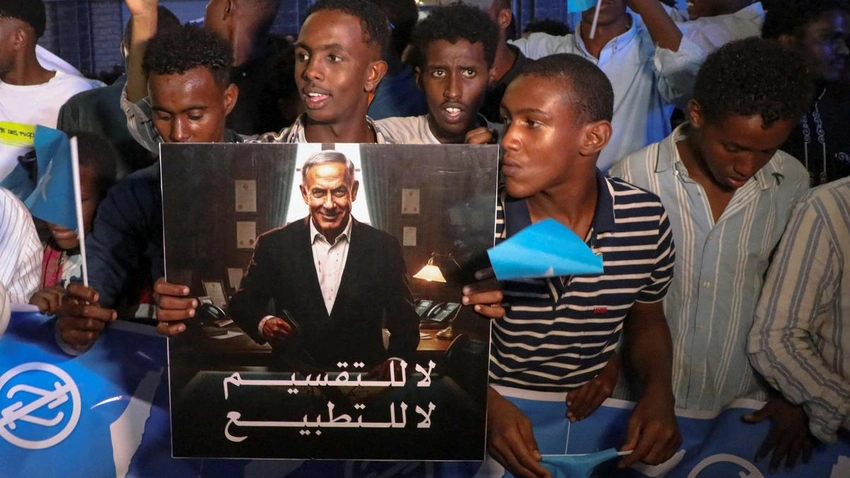
Israel has formally recognized the self-declared Republic of Somaliland, becoming the first country to do so since its unilateral declaration of independence last week. The move, announced by Israeli officials and welcomed by Somaliland, marks a dramatic shift in a decades-long effort by the region to win broad international recognition. The decision comes as a surprise to many in the international community and amid ongoing debates about the humanitarian and political dimensions of the Gaza conflict.
At a United Nations Security Council meeting on Monday, several members pressed Israel to explain the timing and aims of the recognition. Arab League representatives warned that any steps connected to Somaliland should not be used to relocate Palestinians or to establish military bases along the Red Sea and Indian Ocean corridors. The council heard questions about whether the move could complicate the already fragile situation in Gaza and the broader Middle East.
Critics in other capitals echoed similar concerns. Pakistan, speaking on behalf of several nonaligned states, noted the reference in past Israeli statements to Somaliland as a destination for deportations and asked for assurances that the decision would not lead to forced displacement. The United States, in the council, described the move as signaling double standards in the handling of such recognitions and urged careful, rules-based diplomacy. Supporters of the measure argued that recognition could be a step towards stability by clarifying sovereignty in a volatile region.
On the ground, voices in the region warned of potential fallout. A prominent Houthi leader warned that any Israeli presence in Somaliland would become a target, reflecting how the issue could inflame tensions beyond the Horn of Africa. Somalia and Somaliland are closely watched given their shared history, and some delegates highlighted how the development could intersect with port access and security arrangements in the wider Horn of Africa.
Israel's coalition government, described by many observers as the most right-wing and religiously conservative in its history, includes factions that favor annexation of parts of Gaza and the West Bank and have urged Palestinians to leave their homes. The move also prompted discussion about Somaliland's own bid for international recognition, a long-standing goal for the region that seeks to transform de facto autonomy into de jure sovereignty.
Past statements by Somali and Somaliland leaders indicated that no formal proposal had been made to relocate Palestinians or to press for resettlement, underscoring how fast the diplomatic narrative can shift once a recognition decision is made. The unfolding reaction at the United Nations reveals how a single recognition decision can ripple through a crowded field of regional actors, international law debates, and security considerations in a region already synonymous with high-stakes diplomacy.
