Renee Good’s Death at ICE Encounter Sparks Legal Debate

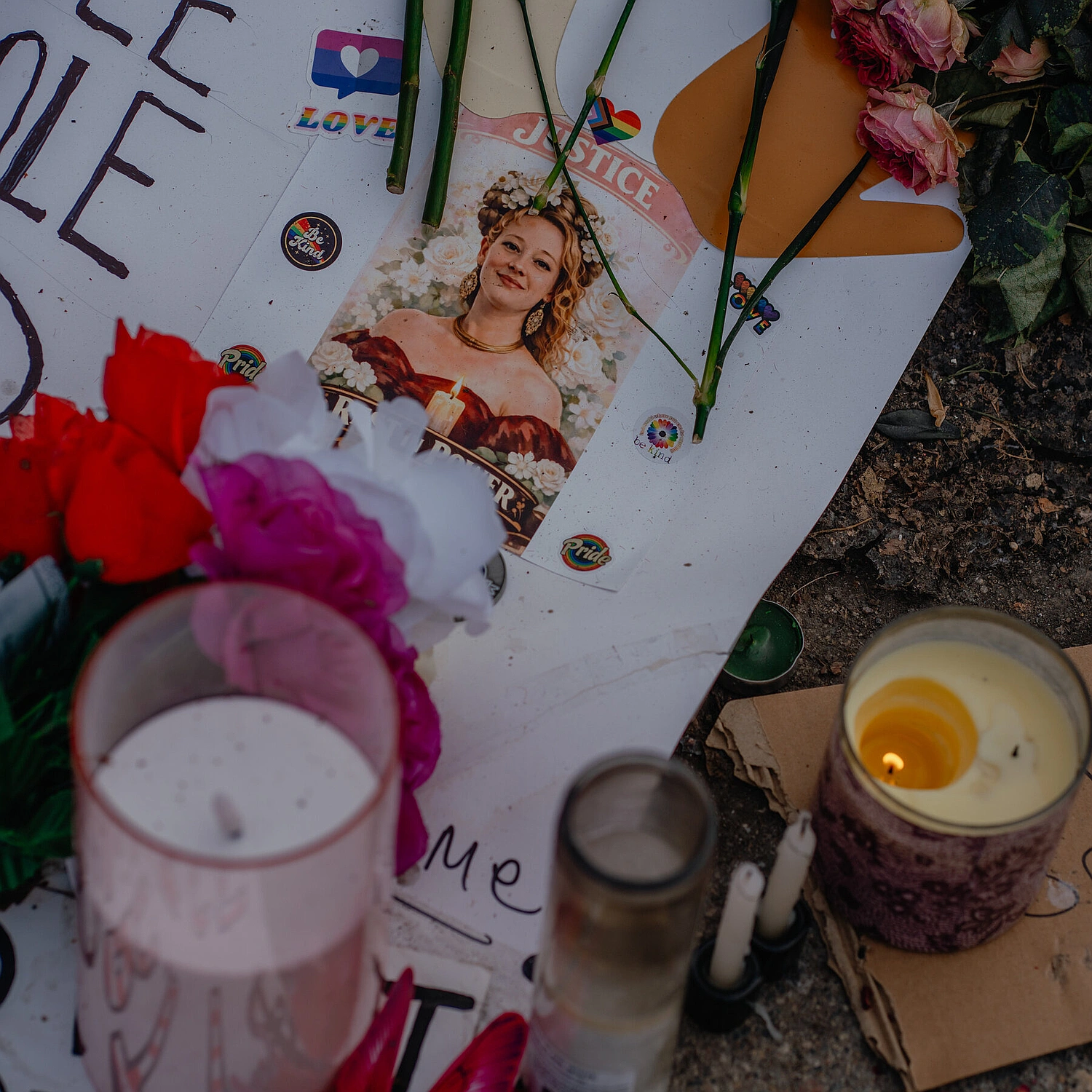
Renee Good’s Death at ICE Encounter Sparks Legal Debate
New details emerge in the deadly ICE encounter involving Renee Good, raising questions about whether she should have complied with agents and how emergency calls reflected the unfolding crisis.
The case centers on a tense moment after a school drop-off, when Renee Good and her partner reportedly encountered immigration agents. Minutes later, Good was fatally shot, a tragedy that has ignited questions about what actions the person in the car was obligated to take and what commands can legitimately be given in such encounters. The involved agents reportedly told Good to exit the vehicle before the shooting, a detail now at the heart of a broader legal and policy debate about immigration enforcement in civilian settings.
Legal experts say that agents’ authority to issue commands can vary depending on the circumstances, the location, and the specific actions being investigated. In situations like this, questions arise about whether a person’s compliance should be understood as mandatory, and what lines exist between lawful conduct and potential overreach. The evolving discussion has sharpened scrutiny of training, protocols, and the transparency of enforcement actions that occur outside official border checkpoints.
Emergency call transcripts captured at the moment of the crisis reveal the shock, fury, and confusion surrounding the incident. The rapid sequence of events, reported to local authorities in real time, underscores how quickly a routine encounter can escalate into a fatal outcome. These recordings are now being reviewed as part of efforts to piece together what transpired in the minutes following the encounter and to assess whether communications during the incident aligned with established procedures.
Family representatives have emphasized the human toll and called for accountability, while other voices urge careful analysis of the facts before drawing conclusions. As investigators gather more information, communities in Minneapolis are watching closely, seeking clarity on the roles of federal agents in domestic settings and the safeguards that exist to prevent unnecessary loss of life. The case has reignited a broader conversation about immigration enforcement, due process, and how emergencies are handled when civilians and agents are in close proximity.
In the days ahead, legal scholars, policymakers, and advocates are likely to weigh in on what reforms or clarifications might be needed to prevent similar tragedies, and to ensure that the rights and safety of individuals in such high-stakes situations are protected.
