Sibal Slams Judiciary: Bail Denied to Ex-TISS Students Over Slogans!

Sibal Slams Judiciary: Bail Denied to Ex-TISS Students Over Slogans!
Rajya Sabha MP Kapil Sibal criticizes the judiciary after two ex-TISS students are denied bail for raising slogans. Is it government intolerance? Dive into the controversy!
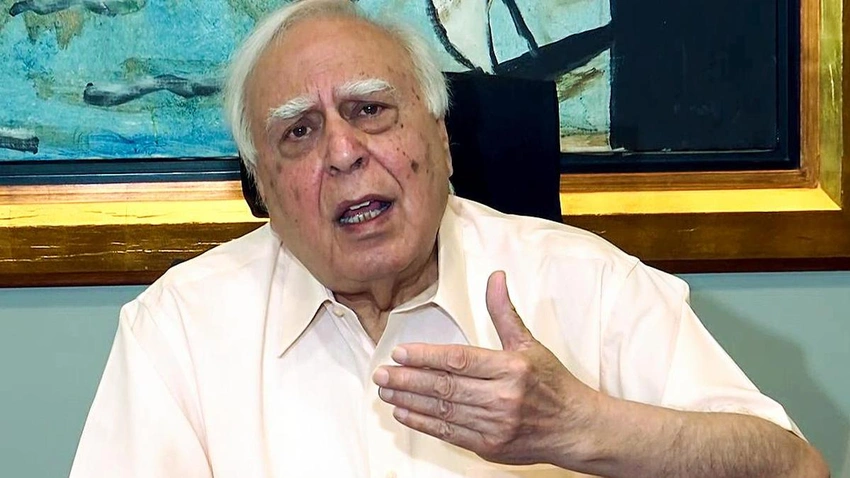
Rajya Sabha MP Kapil Sibal didn't hold back on Monday, expressing his dismay after a Mumbai court denied anticipatory bail to two former students of the Tata Institute of Social Sciences (TISS). Sibal claimed this incident vividly highlights the government's perceived intolerance and raises serious questions about the state of both the police and the judiciary.
The controversy stems from an unauthorized campus gathering where the two former TISS students, Kamakhya Das (23) and Abhirup Paul (32), paid homage to the late former Delhi University professor G.N. Saibaba. While paying respects to Saibaba, who was acquitted by the Bombay High Court in a Naxalism-related case before his passing, isn't illegal, the court's concern arose from alleged slogans seeking the release of undertrial prisoners Umar Khalid and Sharjeel Imam. Both Khalid and Imam have been in jail since 2020, facing charges under the UAPA.
Additional Sessions Judge V.B. Bohra, in denying bail to Das and Paul, specifically noted their choice of words. Instead of the traditional "Rest in Peace," the students allegedly used "Rest in Power (1967- Forever)." The judge remarked that this act, coupled with other material found with them, "certainly raises doubt about their conduct." It's worth noting that seven other students involved in the same gathering were granted pre-arrest bail by the court, highlighting a distinction made in the cases.
Taking to X (formerly Twitter), Sibal directly questioned the implications of the court's decision. "What does this tell you about: 1) Government's level of intolerance; 2) The police; 3) State of the judiciary?" he posted, underscoring his deep concern over the unfolding events. This incident reignites debates around freedom of expression, student activism, and the legal framework governing such gatherings in India.
