Raghu Rai, Father of Indian Photojournalism, dies at 83

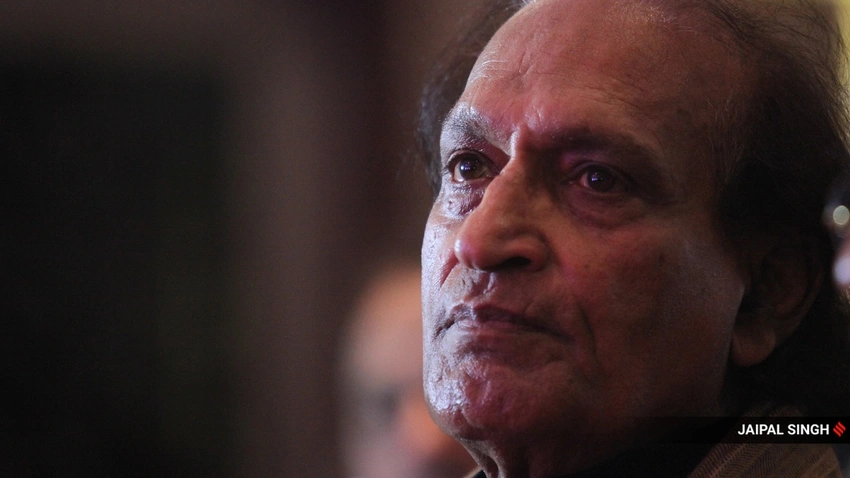
Raghu Rai, Father of Indian Photojournalism, dies at 83
Iconic photographer Raghu Rai, a torchbearer of India's visual memory, dies in Delhi at 83, leaving a legacy spanning Bhopal, Indira Gandhi portraits, and Magnum collaborations.
Raghu Rai, one of India's most enduring visual voices, died in Delhi on Sunday at the age of 83. Often hailed as the father of Indian photography and a pillar of Indian photojournalism, Rai spent more than six decades turning everyday moments into lasting memories with a lens that never stopped seeking truth.
Beginning his career in the mid-1960s, Rai trained his eye under the mentorship of Henri Cartier-Bresson and would later become a key member of Magnum Photos after being nominated to join in 1977. Across his career he published more than 18 books and his work appeared in Time, Life, The New York Times and The New Yorker, among others.
His image from the Bhopal gas tragedy, capturing the haunting aftermath, became a global symbol of the disaster. His portraits of Indira Gandhi, Mother Teresa and other iconic figures are among the most indelible records of modern Indian history.
Rai was awarded the Padma Shri in 1972 for his work on Bangladesh refugees and the war. Family and colleagues described him as a demanding yet generous mentor. His son Nitin Rai shared that Rai had battled prostate cancer, which was treated, but the disease later spread, compounded by age-related complications.
Beyond the awards and pictures, Rai’s greatest achievement was encoding a visual memory of a nation—moments of triumph and tragedy, captured with closeness and truth that many say defined Indian photojournalism. His passing leaves a void in a field that prized candid storytelling and human connection.
