Will Gen Alpha Trust AI Over Human Experience?
Will Gen Alpha Trust AI Over Human Experience?
As AI becomes our default advisor, are we heading towards a future where machine consensus outweighs human wisdom? Explore the coming shift in trust.
The internet radically reshaped how we seek information. Now, artificial intelligence is doing it again, but with a profound difference: it's not just aggregating data, it's synthesizing and - crucially - recommending . For the first generation growing up with AI as their default source for advice, reviews, and answers, this shift poses a fascinating question: will they trust the machine over human opinions?
 The All-Knowing Algorithm
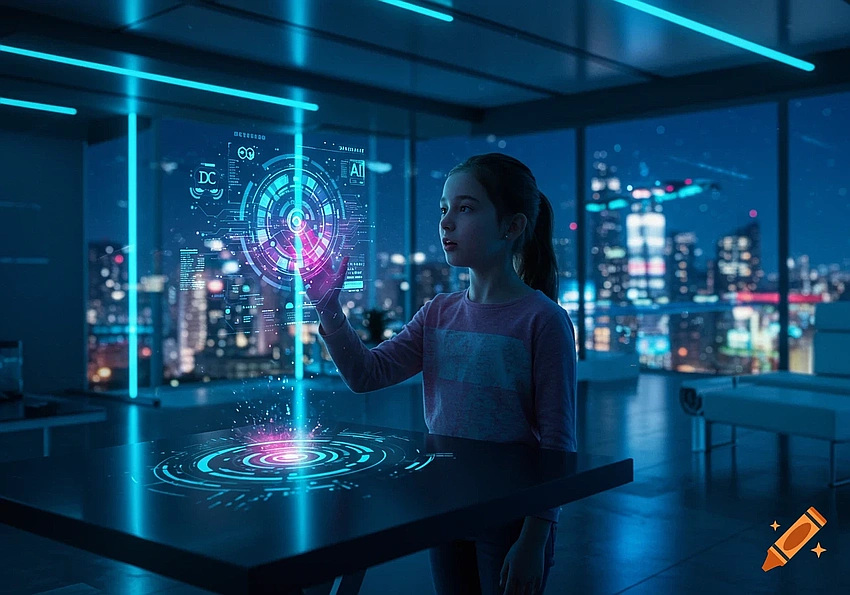
Think about it. When you ask an AI for a restaurant recommendation, it doesn't offer a single friend's anecdote. It sifts through millions of reviews, health codes, price points, and travel times, weighing countless data points to present what it deems the 'optimal' choice.
This isn't just information, it's a form of aggregated, hyper-efficient consensus.
It's an average of millions, presented as fact.
How does one individual's subjective taste stack up against that?
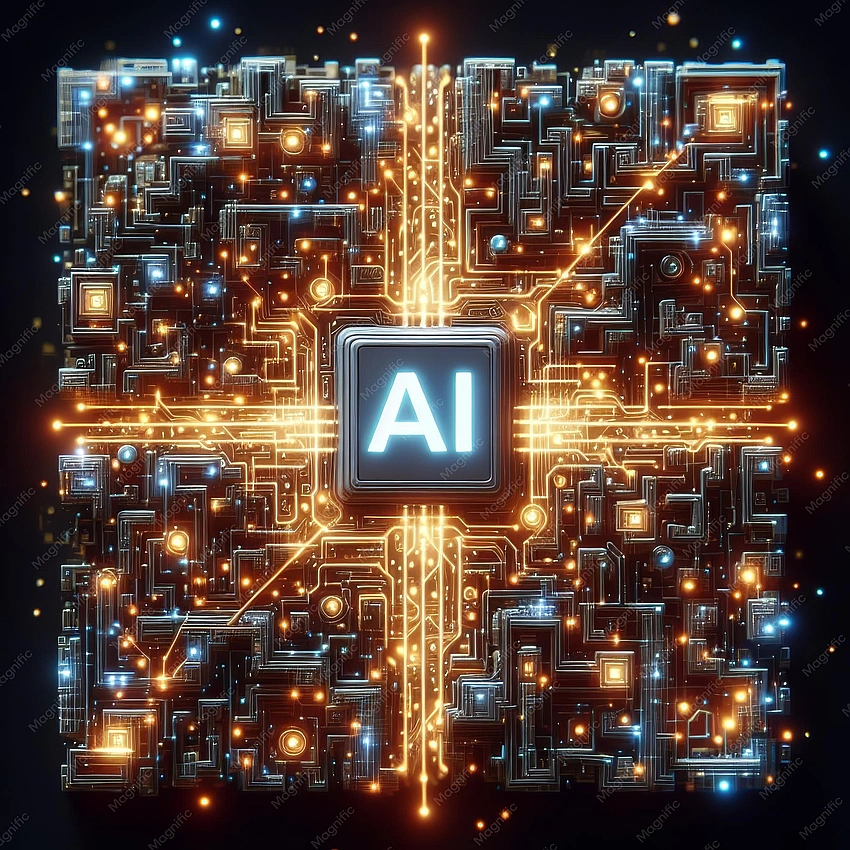
We've always valued human experience, the seasoned chef, the experienced traveler, the wise elder. But human experience comes with biases, limited scope, and often, emotional reasoning. AI, by design, promises objectivity and comprehensive data analysis.
For a generation accustomed to instant, data-driven solutions, the appeal of this 'machine consensus' is undeniable.
It offers a seemingly unbiased, universally informed perspective.
 A New Default for Trust
Consider how younger generations already navigate their world.
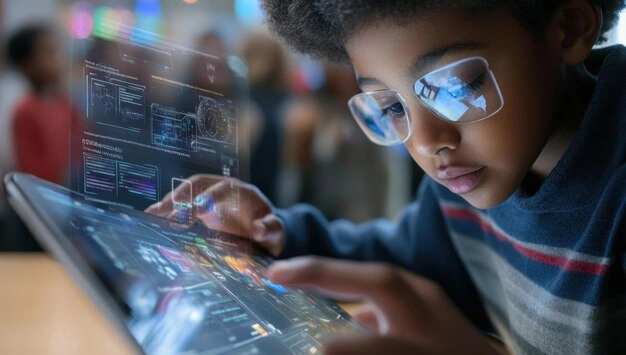
They consult TikTok for life hacks, YouTube for tutorials, and AI for homework help. These platforms, powered by algorithms, curate content based on popularity, engagement, and perceived relevance.
It's a short leap from trusting an algorithm to show you the 'best' content, to trusting an AI to give you the 'best' advice for your career, health, or even relationships.
“The biggest shift isn't just convenience, it's the perceived infallibility of an AI's data pool,” notes Dr. Lena Khan, a sociologist studying digital native behavior. “When every answer feels definitive and comprehensive, human uncertainty starts to look like a weakness.” People might start seeing individual human opinions as anecdotal and less reliable compared to the vast, synthesized knowledge of an AI.
The Enduring Value of Human Insight
Does this mean human experience becomes obsolete? Not entirely. While AI excels at collating and analyzing, it still struggles with nuance, empathy, and truly novel thought - the very things that make human wisdom so rich.
A machine might tell you the most efficient route, but a human friend can tell you the route with the best memories, the unexpected detour that changed their life, or simply offer comfort when there isn't a 'solution.'
Our challenge will be to delineate where machine consensus truly provides superior guidance and where the irreducible, messy, yet profoundly valuable human element still reigns supreme. Perhaps the future isn't about blind trust in either, but a sophisticated blend, where AI serves as the ultimate research assistant, and human wisdom provides the context and soul.
 Will We Learn to Disagree with Data?
The real test for this AI generation won't be in how much they trust AI, but in their ability to critically evaluate it.
Can they discern when human creativity, intuition, or shared vulnerability holds more weight than an algorithm's output?
The future of trust is less about choosing sides and more about understanding the strengths and limitations of both human and artificial intelligence.
