Anger Erupts as Boxer Prichard Colon Dies at 33, Years After Tragic Fight

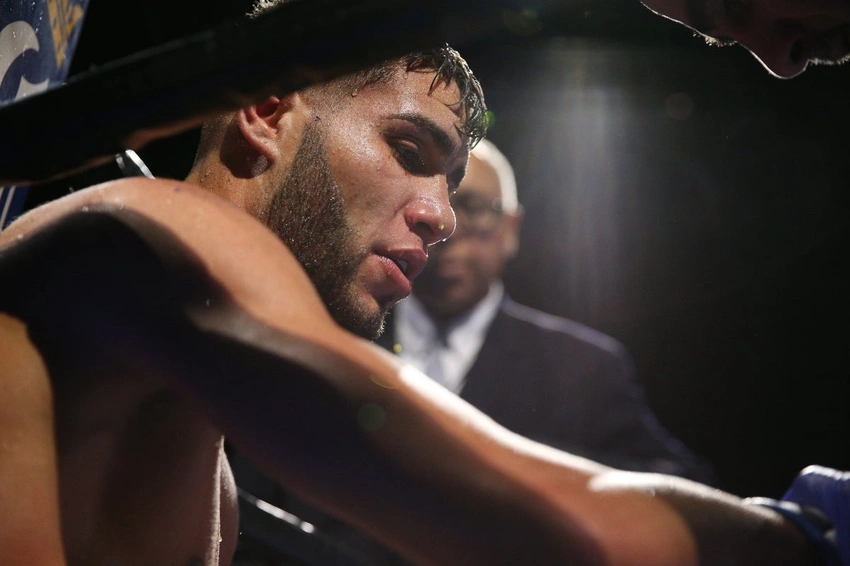
Anger Erupts as Boxer Prichard Colon Dies at 33, Years After Tragic Fight
Tragedy strikes the boxing world as Prichard Colon dies at 33, 11 years after a devastating brain injury in the ring. The fight that changed his life now sparks renewed anger and calls for accountability. #Boxing #Pricha
The boxing world is in mourning following the passing of Prichard Colón, who died at the age of 33, nearly 11 years after sustaining a life-altering brain injury during a 2015 fight. His father, Richard Colón, confirmed the devastating news on social media, bringing a somber end to a decade-long battle for recovery that captivated and saddened many.
Colón, a promising undefeated super welterweight prospect, faced Terrel Williams in a 2015 bout that would tragically change his life forever. During the fight, Colón was hit with several illegal rabbit punches to the back of the head. He was disqualified in the ninth round after his corner mistakenly removed his gloves, believing the fight was over due to disorientation.
Following the fight, Colón collapsed in his dressing room and was rushed to the hospital, where he underwent emergency surgery for a brain hemorrhage and fell into a coma.
He remained in a persistent vegetative state for years, requiring constant care.
The circumstances surrounding Colón's injury and subsequent death have sparked renewed outrage, with significant online hate directed towards Terrel Williams.
Williams, who continues to box, has publicly expressed his sorrow for Colón's condition and stated that he prayed for him. However, he has not issued a formal apology or accepted direct blame for the injury, a stance that fuels much of the public's anger and calls for accountability. This tragic event casts a harsh spotlight on the inherent dangers of professional boxing and the critical need for robust safety protocols.
Prichard Colón's story serves as a poignant reminder of the sacrifices athletes make and the potential for devastating consequences when safety measures falter or are overlooked.
His legacy will undoubtedly continue to influence discussions on fighter welfare and medical oversight within combat sports.
