IndiGo Crisis Sparks Monopoly Debate as Govt Pushes Aviation Reform

IndiGo Crisis Sparks Monopoly Debate as Govt Pushes Aviation Reform
National debate grows over IndiGo's market power; ministers promise reforms to boost competition and curb monopolistic practices.
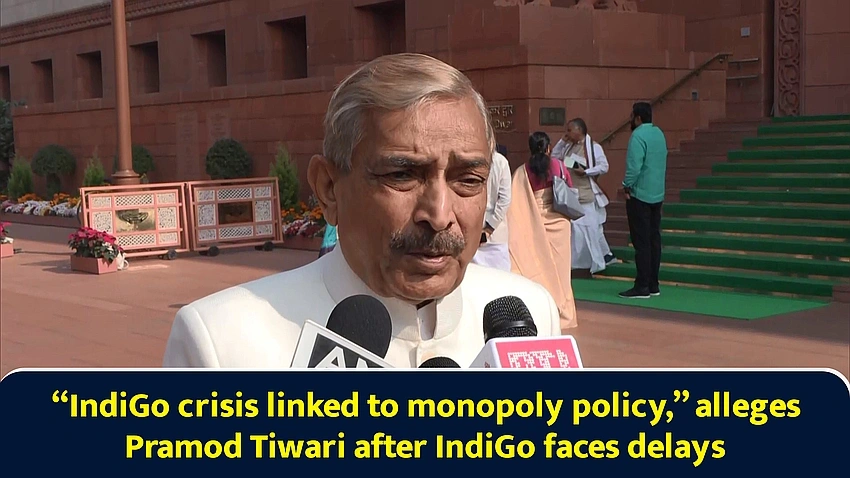
IndiGo's latest turmoil has sharpened a national debate over whether the airline has become a de-facto monopoly in India's skies, a concern voiced by critics who warn that market power can translate into higher fares and fewer choices for flyers. As passengers voice frustration over delays and service gaps, the question of competition takes center stage in policy circles.
Opposition voices, including Rahul Gandhi, have framed the crisis around a perceived 'monopoly model' at the heart of the aviation sector. In response, Aviation Minister Ram Mohan Naidu countered the charge, stressing that the government actively promotes aviation competition, welcomes new carriers, and is working to expand fleet capacity through policy support.
Naidu pointed to recent legislation designed to lower the costs of aircraft leasing and ease entry for rival airlines, arguing that the issue is a public one rather than a political one. Industry observers say the policy push could help balance market dynamics, but they caution that tangible benefits for passengers will depend on effective implementation, regulatory oversight, and real gains in pricing and service quality.
As regulators monitor market dynamics and airlines adjust schedules and networks, the aftermath of the IndiGo crisis is poised to shape India’s aviation landscape for months to come. The coming weeks are likely to test how quickly reforms translate into greater competition and better options for travelers.
