Hantavirus outbreak on Atlantic cruise sparks stigma fears among Spanish passengers

Hantavirus outbreak on Atlantic cruise sparks stigma fears among Spanish passengers
Passengers on an Atlantic cruise hit by hantavirus fear stigma when they return home as health teams trace the Andes strain and isolate contacts.
From Madrid, health authorities report a hantavirus outbreak aboard a cruise ship in the Atlantic that has claimed three lives and set off a broad health response. Officials say the Andes strain, identified in passengers, can be more concerning because some forms have shown the potential for human-to-human transmission, though the overall risk remains linked to close contact and exposure in specific circumstances. Isolation measures are in place and contact tracing is actively underway to contain any spread on board and after passengers disembark.
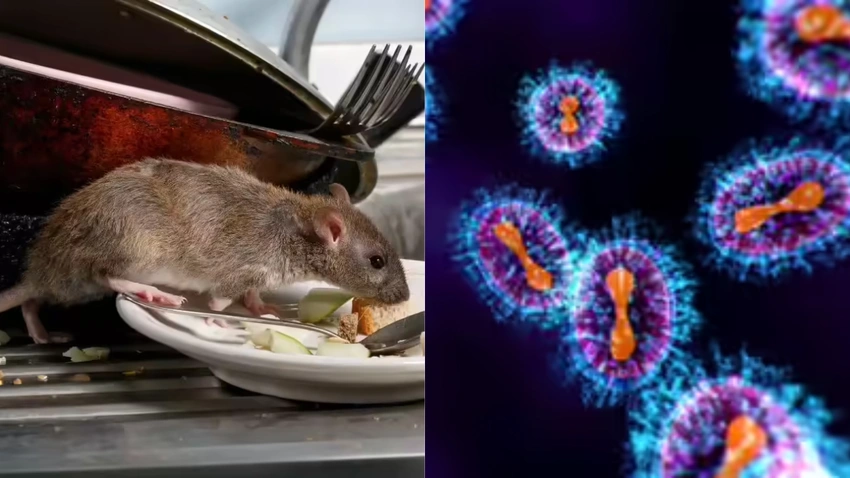
Public health experts emphasize that hantaviruses are typically transmitted through contact with infected rodent excreta such as saliva, urine, or feces. While this strain has raised questions about person-to-person spread, officials caution that it is not the same as COVID-19 and should be managed with proportionate precautions and clear information. Treatment approaches vary by severity, and doctors are focusing on supportive care, respiratory support when needed, and close monitoring of symptoms as clinicians assess each case.
Among the unease is the potential stigma awaiting travelers once they return home. Spanish passengers, in particular, are balancing concern for their health with worries about how their communities might react. Health authorities are urging calm, while outlining practical steps for travelers, including seeking medical advice if symptoms appear and cooperating with contact tracing efforts to prevent further transmission.
In a broader global context, medical officials reiterate that hantaviruses spread mainly via rodents, and that human-to-human transmission is limited to certain strains. Indian health authorities have also noted there is no immediate public health threat from hantavirus, underscoring that risk assessment remains context-dependent and heavily dependent on local conditions and exposure risks. As more information emerges, experts stress the importance of transparency, evidence-based guidance, and support for those affected while avoiding unnecessary alarm.
