Indian Chess Maverick Arjun Erigaisi Smashes 2800 Barrier, But Can He Topple Caruana?

Indian Chess Maverick Arjun Erigaisi Smashes 2800 Barrier, But Can He Topple Caruana?
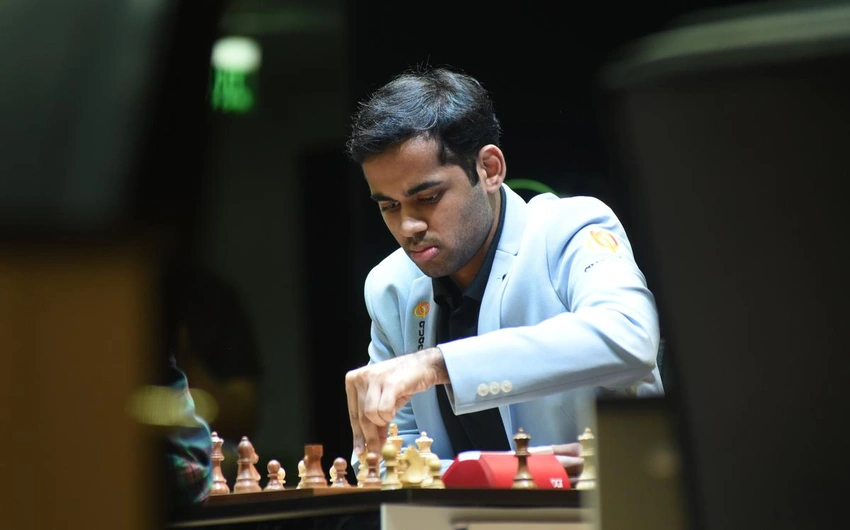
Arjun Erigaisi joins elite 2800+ club, raising big questions, can he displace Caruana for world #3?
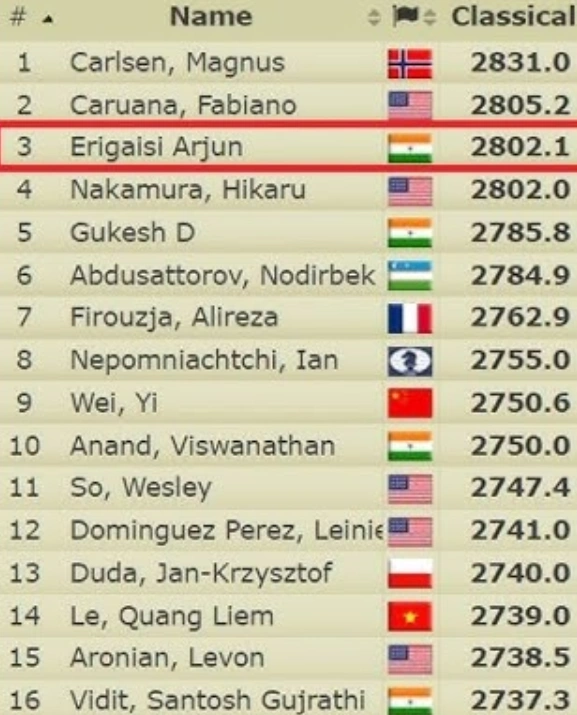
On June 24, 2025, the chess world woke up to a headline that’s making waves from Warangal to Wijk aan Zee. Arjun Erigaisi, at just 21, has officially crossed the 2800 Elo in classical chess rating, becoming only the second Indian after Viswanathan Anand to do so. He now sits at world number three, just behind Magnus Carlsen and Hikaru Nakamura, and ahead of Fabiano Caruana.
The news has been celebrated across India. But beyond the applause, this moment raises tough questions about the future of Indian chess, the real value of Elo ratings, and whether the 2800 club is still as exclusive as we think.
Why Does 2800 Matter, and Who’s Really in the Club?
Crossing 2800 Elo is often described as the “Mount Everest” of chess. Only 16 players in history have reached this summit. The list includes legends like Carlsen, Kasparov, Caruana, Nakamura, Anand, and now Erigaisi. But as chess becomes more global and competitive, is this milestone losing its sheen?
A closer look at the numbers reveals that the 2800 club, once reserved for the absolute elite, is slowly expanding. With players like Alireza Firouzja and now Erigaisi joining at younger ages, is the bar being lowered, or is the chess world simply getting stronger? And with India now boasting three players in the world top ten and seven in the top 30, is the country on the verge of dominating the sport, or are we just seeing a statistical anomaly?
The Indian Chess Boom
India’s chess scene is booming. Erigaisi’s rise comes on the heels of D Gukesh’s world championship challenge and Praggnanandhaa’s top-10 breakthrough. The average rating gap between India and the USA is now just one point. But this growth brings its own set of questions.
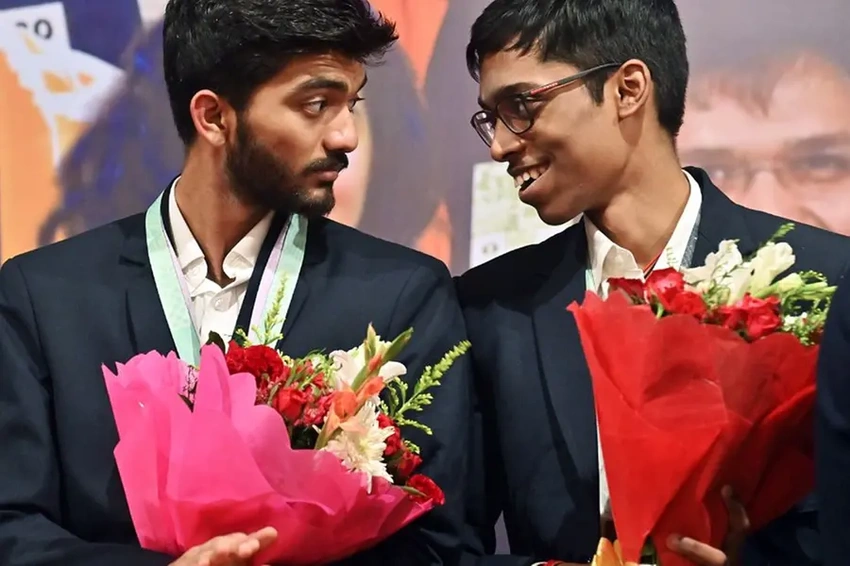
ChessBase India highlighted Erigaisi’s journey from Warangal to the world stage, emphasizing his rapid ascent and clutch performances at the Chess Olympiad and European Chess Club Cup. But the real test will be whether this new generation can convert ratings into world championship titles and inspire a lasting chess culture across India.
The Elo Rating, A Double-Edged Sword?
The Elo system, invented by Arpad Elo, was designed as a statistical tool to measure player strength. But as ChessBase notes, the system is far from perfect. Its overemphasis can lead to risk-averse play, colorless draws, and a narrow focus on numbers over creativity. Top players often “protect” their ratings, which can stifle innovation and excitement in tournaments.
Is the Indian chess boom at risk of falling into this trap? With so much attention on ratings, are we sidelining the qualities that make chess a rich, creative sport? And with more players reaching 2800, is the system inflating, or are we witnessing a genuine leap in global chess standards?
Tough Questions for the Chess Establishment
Is the 2800 milestone still meaningful, or is it becoming just another number? As more young players cross the threshold, the aura of exclusivity is fading. Should FIDE revisit the rating system to ensure it reflects true elite status?
If India continues its rise, will we see a shift in chess power from traditional strongholds like Russia and the USA? And will this lead to new rivalries, or simply a more diverse and competitive chess world?
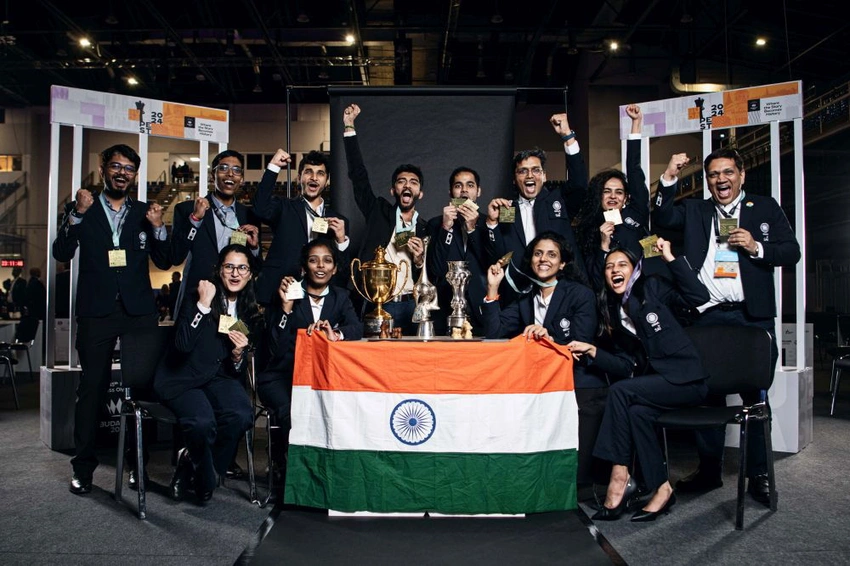
Arjun Erigaisi’s achievement is a milestone for Indian chess and a testament to his talent and hard work. But the real challenge lies ahead. The 2800 club is no longer the closed shop it once was, and the race for world championship titles is fiercer than ever. India’s chess boom is real, but it must be matched by investment in infrastructure, creativity, and a love for the game that goes beyond numbers.
If the focus remains solely on Elo ratings, the sport risks becoming sterile and predictable. But if Indian chess can balance ambition with innovation, it could usher in a new golden age and not just for India, but for the world.
