Bharat Taxi: Driver-Owned Coop Aims to Disrupt Ola, Uber in Delhi

Bharat Taxi: Driver-Owned Coop Aims to Disrupt Ola, Uber in Delhi
A government-backed driver-owned cooperative launches in Delhi, promising zero commissions for drivers and cheaper rides as it challenges Ola and Uber.
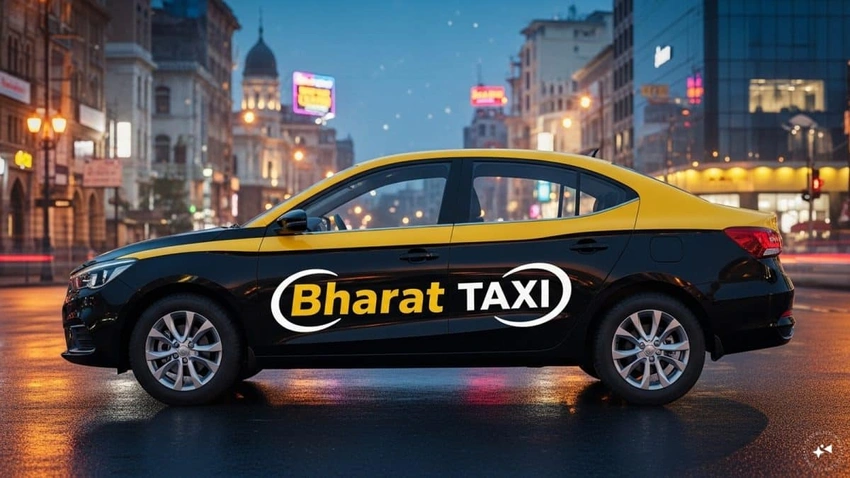
Bharat Taxi, inspired by the cooperative success of Amul, is positioning itself as a driver-owned ride-hailing platform that could shake up the Ola and Uber existing landscape. The project is government-backed and run by Sahakar Taxi Cooperative Limited, with a model designed to give drivers an ownership stake and a say in governance and operations. In a move that underscores its ambitions, Home Minister Amit Shah is set to launch the app in New Delhi today (February 5).
The cooperative argues that giving drivers ownership will free them from dependence on private aggregators and align incentives more closely with rider needs. Bharat Taxi traces its roots to pilots launched in Delhi-NCR and Rajkot last year, before expanding to Ahmedabad. The government cites strong early momentum, noting that over 4 lakh drivers have joined the platform and about 10,000 rides are completed every day.
Key to the model is ownership sharing: the cooperative is designed to distribute ownership and decision-making power among its members rather than concentrating control in the hands of a few private investors. Initially, Bharat Taxi onboarded over 50,000 drivers, with hopes of broader participation as the platform scales. Proponents say the zero-commission promise for drivers and the potential for lower fares for passengers could intensify competition with established players, while critics may question long-term sustainability and rider pricing.
If the Delhi launch signals a successful rollout, Bharat Taxi could redefine participation in the ride-hailing economy by merging social ownership with modern tech. Supporters emphasize higher driver empowerment and reduced platform dependency, while observers will be watching closely to see how the model handles governance, rider experience, and profitability at scale.
