App vs. Analyst: Do Digital Tools Stack Up to Human Connection?

App vs. Analyst: Do Digital Tools Stack Up to Human Connection?
Explore the booming world of mental health apps. Are they a revolutionary solution or just a helpful supplement? We break down what they offer and what only a human therapist can provide.
App vs. Analyst: Do Digital Tools Stack Up to Human Connection?
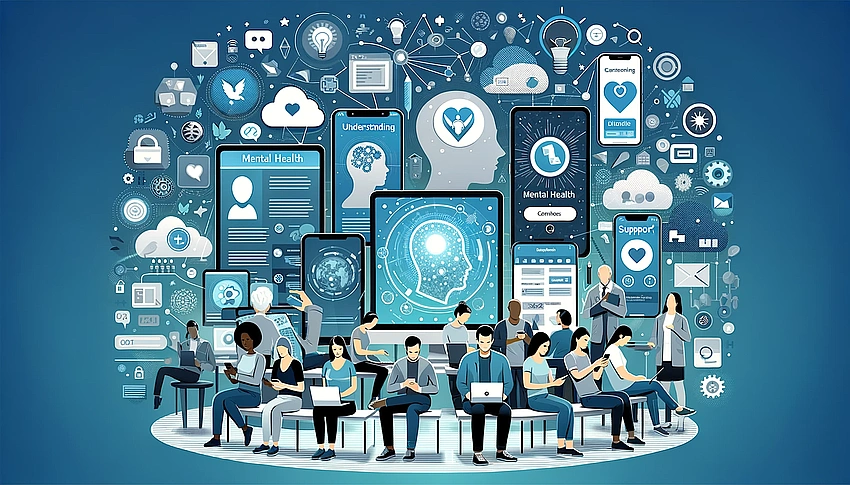
In an era where personal well-being feels more critical-and more challenging-than ever, technology often steps in to offer solutions. Mental health apps have exploded onto the scene, promising everything from daily meditation to guided cognitive behavioral therapy (CBT) right in your pocket.
But with headlines touting their convenience, it begs a crucial question: Can a mental health app truly replace the nuanced, empathetic interaction of a human therapist?
The Digital Embrace: What Apps Bring to the Table
For many, these digital tools are a lifeline.
They offer unprecedented accessibility to mental health support, bypassing long waiting lists, high costs, and geographical barriers.
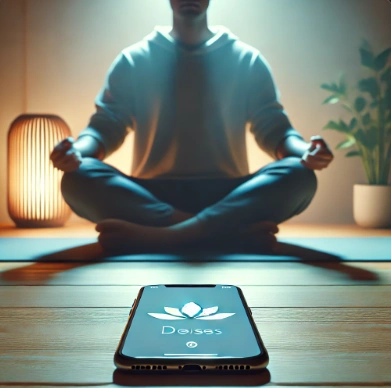
Imagine getting immediate stress relief exercises or a mood tracking journal without leaving your home, for some, this accessibility is revolutionary.
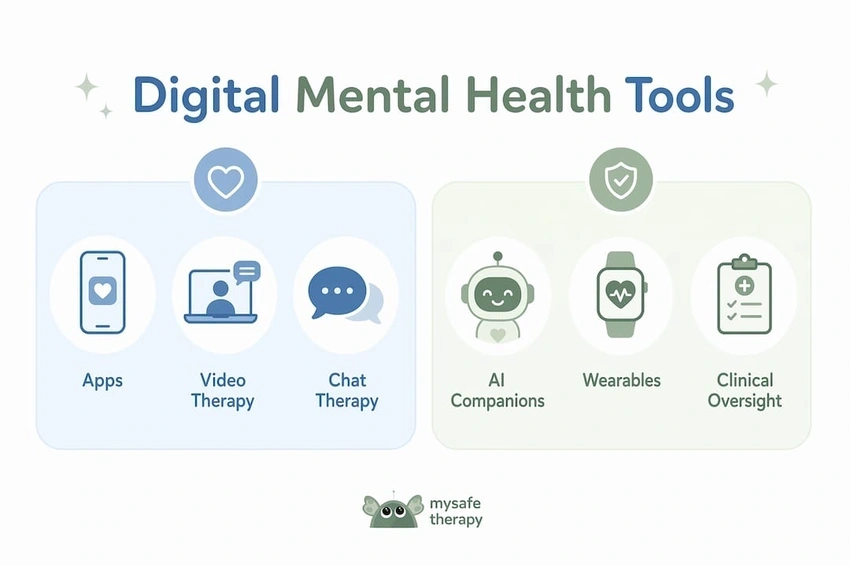
Apps often provide anonymity, which can be invaluable for individuals hesitant to seek traditional therapy due to stigma or privacy concerns. From guided meditations and breathing exercises to journaling prompts and CBT workbooks, they empower users to practice self-care and learn coping mechanisms at their own pace. They're a fantastic first step, or a valuable supplement to existing care.

Where the Screen Falls Short
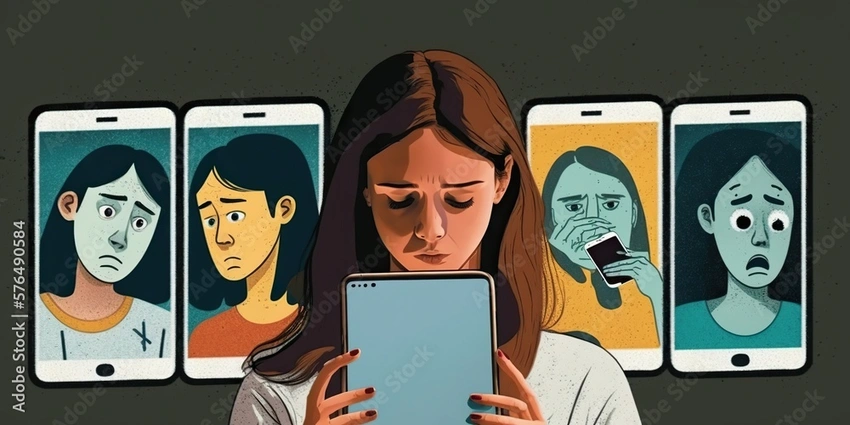
While apps excel at delivering structured content and general strategies, they inherently lack the human element essential for deep therapeutic work. They cannot offer the personalized understanding of a skilled therapist who adapts their approach to your unique history, personality, and complex emotional landscape. An algorithm simply can't pick up on subtle cues, tone of voice, or body language.
Furthermore, apps are ill-equipped to handle crises or severe mental health conditions. They aren't designed to intervene in moments of intense distress or to diagnose and treat complex disorders like severe depression, bipolar disorder, or PTSD. These situations absolutely require professional human intervention and support.
The Irreplaceable Value of a Human Therapist
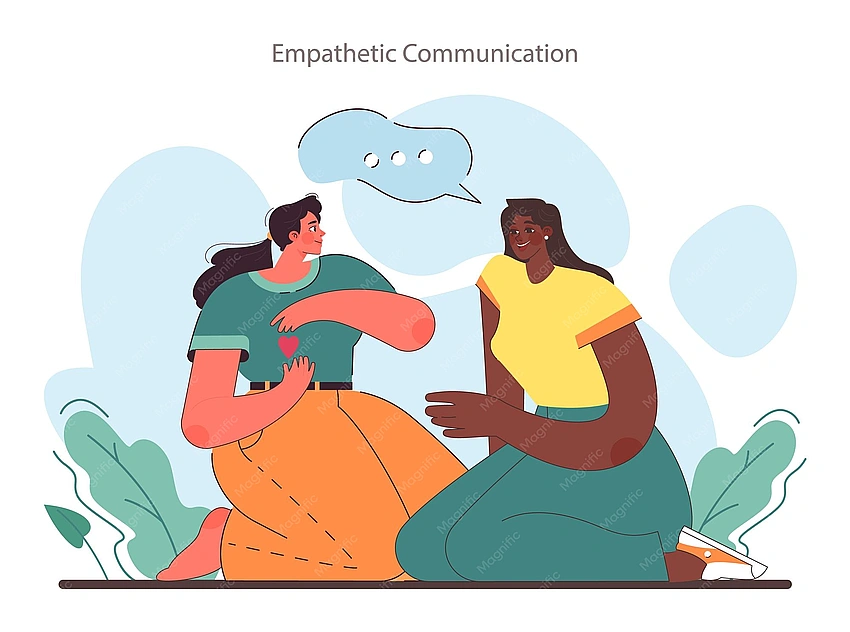
A therapist provides more than just techniques; they offer a therapeutic relationship. This connection - built on trust, empathy, and unconditional positive regard - is often the most potent healing force in therapy. They can challenge unhelpful thought patterns, help process trauma, and provide a safe space for vulnerability in a way no app ever could.
They offer accountability, hold space for difficult emotions, and adapt in real-time. As one expert put it,
An app can give you tools, but a human can teach you how to wield them with wisdom and compassion, specifically for your unique battle.
This personalized, dynamic interaction is fundamental to meaningful, lasting change.
Bridging the Gap: Complement, Not Replace
So, can an app replace a therapist? The answer is a resounding 'no,' at least not for comprehensive mental health care. However, they are incredibly powerful tools when used as intended: to support, educate, and offer convenient self-care strategies.
Think of them as a valuable addition to your mental wellness toolkit, not the entire workshop.
For those unable to access traditional therapy, apps can provide vital interim support. For those already in therapy, they can reinforce lessons learned and offer daily practice. The future of mental health likely involves a blended approach, where technology and human expertise work hand-in-hand to foster greater well-being for everyone.