IVF Breakthroughs: Prioritizing Safety & Hope for Future Parents

IVF Breakthroughs: Prioritizing Safety & Hope for Future Parents
Dive into the world of In Vitro Fertilisation (IVF)! Discover its journey since 1978, the critical safety measures in place, and how technology is advancing fertility treatments. Essential reading for anyone interested i
In Vitro Fertilisation (IVF), often known as "test tube babies," has revolutionized the landscape of assisted reproductive technology since the birth of the world's first IVF baby in 1978. It stands as one of the most effective fertility treatments available today, offering hope to countless individuals and couples aspiring to build families. However, its success hinges on numerous intricate factors, estimated at around 200 variables, making every journey unique.
The entire spectrum of interventional fertility treatments, including IVF, Intra Uterine Insemination (IUI), and Intra Cytoplasmic Sperm Injection (ICSI), along with allied procedures like egg, sperm, and embryo freezing, and Pre-implantation Genetic Testing (PGT), are collectively governed by the Assisted Reproductive Technology (ART) Act, 2021, in India. This regulation underscores the critical importance of standardized practices and patient welfare in this rapidly evolving field.
Historically, the conception of Louise Brown, the first IVF baby born in England on July 25, 1978, involved a naturally developing follicle. While groundbreaking at the time, this "natural cycle" approach is now considered less efficient and harder to replicate consistently. Modern IVF predominantly utilizes a "stimulated cycle," where fertility hormones are administered to encourage the ovaries to produce multiple eggs. This method significantly increases the number of eggs available for fertilization, thereby enhancing the chances of a successful pregnancy.
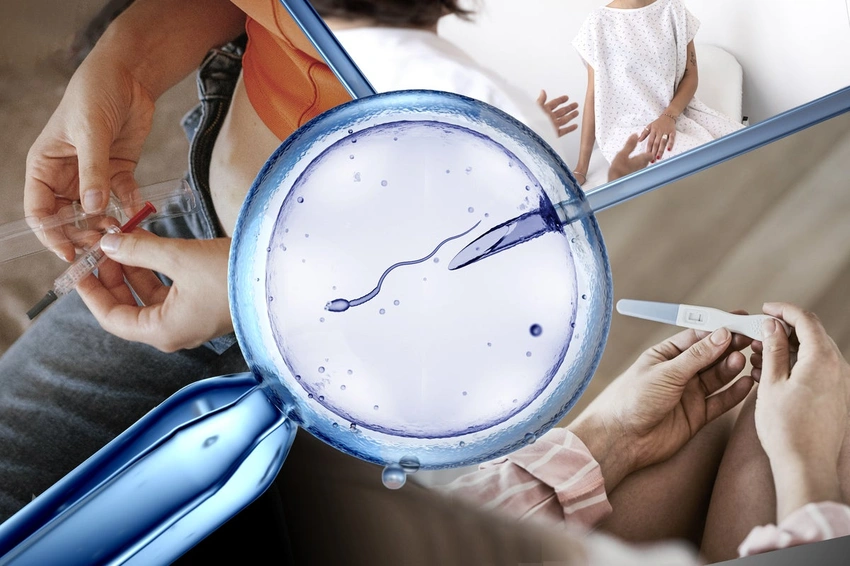
The IVF process itself involves several carefully orchestrated stages. It begins with the stimulation of the ovaries to produce multiple mature eggs. This is followed by a "trigger shot" to facilitate the final maturation of these eggs. Next, the eggs are retrieved from the stimulated ovaries. Once retrieved, they are fertilized with sperm in a laboratory setting. The resulting embryos are then cultured for a few days before one or more are transferred into the uterus. For future use or in cases where immediate transfer isn't feasible, eggs, sperm, and embryos can also be cryopreserved.
Amidst these medical advancements, safety remains the cornerstone of all fertility treatments. This encompasses several crucial aspects: ensuring the patient's safety against potential side effects and complications, such as ovarian hyperstimulation syndrome (a potentially serious reaction); safeguarding embryos against any mix-ups; and ultimately, ensuring the safety and well-being of the unborn baby, which is the ultimate goal of the entire process. Emerging technologies, including Artificial Intelligence (AI) tools, are also being explored to potentially increase IVF success rates and make treatments more cost-effective, promising a future where this life-changing procedure is even more accessible and secure.
