Why Widow’s Bay Was the Show I Needed This Summer
Why Widow’s Bay Was the Show I Needed This Summer
Why Widow’s Bay Was the Show I Needed This Summer
A funny, eerie and surprisingly thoughtful summer horror-comedy, Widow’s Bay turns a cursed island into a story about fear, fate and our desperate need to control the uncontrollable.
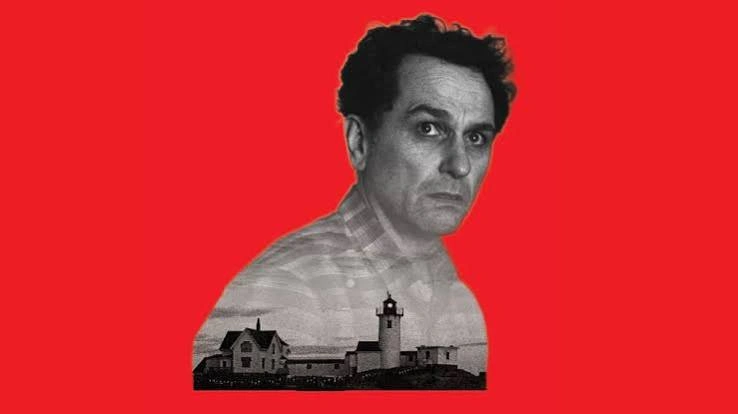
An island off the coast of New England, no mobile service, no Wi-Fi, a mayor determined to turn the place into another Martha’s Vineyard, and somewhere beneath all of it, a curse that has been waiting for its next opportunity. It sounds like the sort of show you put on for the atmosphere and then accidentally spend your evening thinking about death, history and whether human beings are ever really in control of anything. That combination is probably why I enjoyed it as much as I did. Widow’s Bay knows that horror and comedy have always been closer than we like to admit.
The summer show that feels slightly haunted
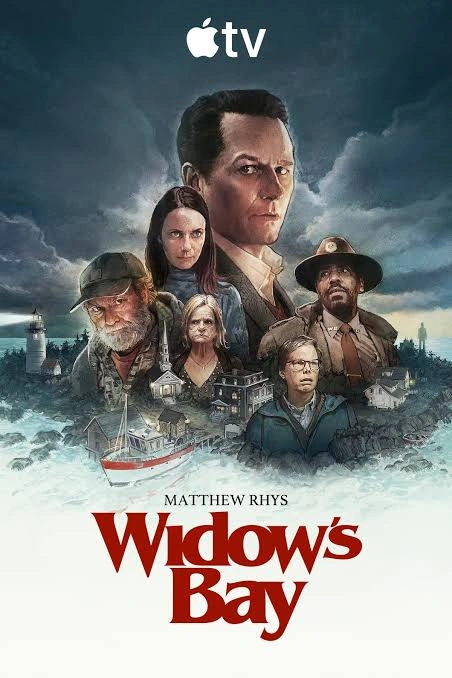
Created by Katie Dippold, Widow’s Bay follows Tom Loftis, played by Matthew Rhys, as he tries to modernise the sleepy island he now calls home. Tom sees cappuccino machines and tourists. Everyone else sees the ghosts, the strange history and the increasingly obvious fact that something is very wrong.
The joke is that Tom is almost offensively rational in a place where rationality has very little chance of surviving. He approaches supernatural terror with the confidence of a man who thinks better infrastructure might solve it. That gives the show its particular rhythm. A scene can begin like a sitcom and end with something genuinely horrible happening. NPR's review points towards that same pleasure, describing the series as a meeting between the comedy rhythms of television and the horror films that shaped its creators and audience.
For a pop-culture obsessive, there is also a lot to recognise. The show draws on the visual and narrative vocabulary of older horror without becoming a straight nostalgia exercise. There are traces of Jaws, Halloween, The Fog and The Wicker Man, while Stephen King books hang over the whole island like another piece of local folklore.
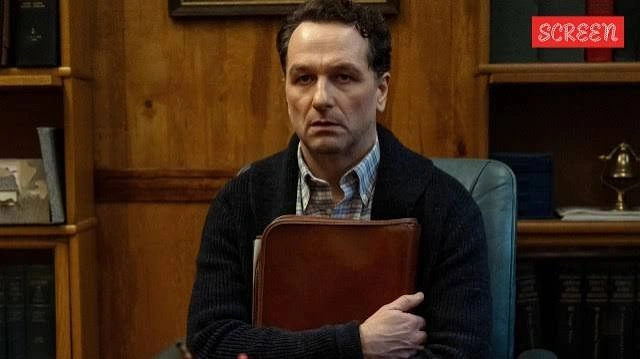
Matthew Rhys makes the ridiculous believable
Matthew Rhys is probably the secret weapon. Tom could easily have become unbearable, because he spends so much of the series refusing to believe what is happening around him. Rhys instead makes him nervous, funny and increasingly frightened. His face does a lot of the work. The confidence drains away whenever the island reminds him that he is not in charge.
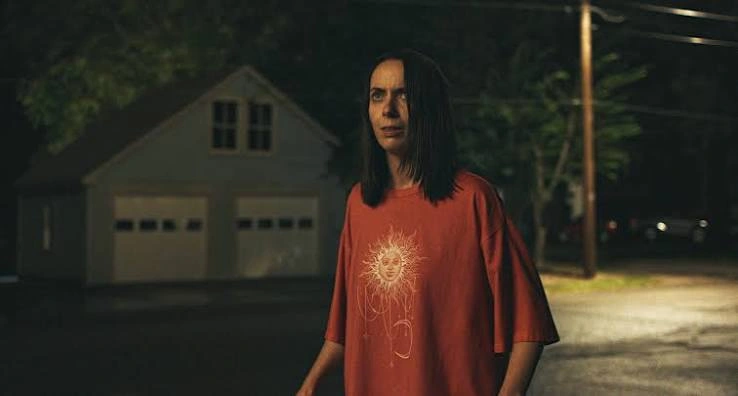
Kate O'Flynn's Patricia gives the series another centre. She is awkward and isolated, a poet who has survived an encounter with the island's violence and somehow remains determined to participate in ordinary life. The comedy comes partly from that mismatch. She is living in a horror story while still worrying about friendship, parties and what other people think of her. The Atlantic's review sees her as both victim and comic heroine, which feels exactly right.
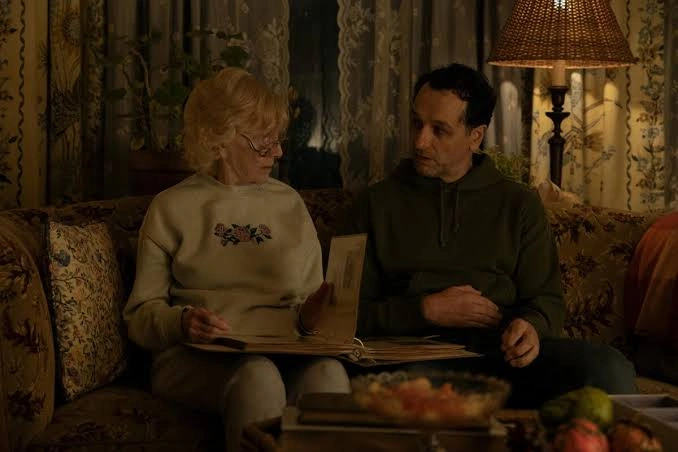
Then the show starts asking much stranger questions
This is where Widow's Bay became more interesting to me than a summer horror-comedy really needed to be. Underneath the jokes is a story about human beings trying to impose order on something that refuses to be controlled. Tom wants to turn the island into a tourist destination. The island has its own older logic. Technology barely works there, old memories keep resurfacing, and the supernatural force behind the curse operates according to rules that existed long before Tom arrived.
The final episodes turn that conflict into an ethical problem. Tom is forced to consider whether sacrificing one person could save everyone else, bringing the old philosophical trolley problem into a story that began with haunted beaches and killer clowns. The show suddenly moves from “what is haunting this island?” to “what are you willing to do when there is no clean choice?” NPR's review identifies this moral dilemma as the point where the comedy acquires a more serious emotional weight.
Word on Fire takes the question further, arguing that the series ultimately presents humanity as trapped within forces it cannot defeat. Its reading is explicitly Christian, and I found the underlying observation more interesting than the theological conclusion. Widow's Bay is fascinated by the possibility that there may be powers beyond human understanding, while giving its characters very little sense that those powers can actually be overcome.
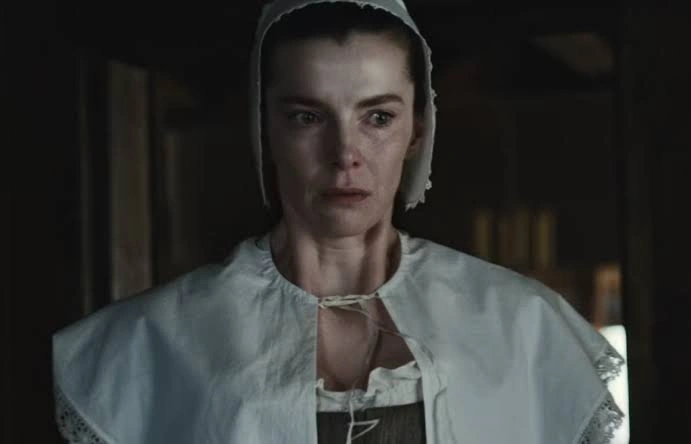
Maybe that is why it worked this summer
The show does have weaknesses. The Atlantic argues that its finale does not quite deliver the catharsis its elaborate mythology promises, leaving the viewer with the slightly dazed feeling of having consumed too much story at once. I can understand that criticism.
Still, I think the messiness is part of why I liked spending time there. Widow's Bay is funny without needing to stop being frightening, and its horror works because the comedy gives you somewhere to breathe before the next awful thing arrives. Even the island's lack of internet starts to feel meaningful. Everyone is trapped together, with nowhere to scroll away from the strange thing happening in front of them.
And maybe that is the real reason I kept coming back to it this summer. Beneath all the monsters, Widow's Bay is about people trying to make a life inside circumstances they did not choose. Tom wants to renovate the island. Patricia wants to belong somewhere. The townspeople want their history to be remembered on their own terms.
They are all, in different ways, trying to negotiate with something larger than themselves. That makes the island feel less like a fictional horror setting and more like a particularly strange version of being alive. We build, rationalise, modernise and make plans. Then something old comes crawling out of the water.
And suddenly the summer show about a cursed island is asking the oldest question underneath almost every horror story: what do we do when we realise the world was never ours to control?
