Gaming’s default Black hairstyles are getting an overdue upgrade. Discover how artists like Danielle Udogaranya are pushing for real representation beyond the ‘Killmonger locs.’
#BlackHairInGaming #Ebonix #GamingDiversity
Read more
24k
I Recommend This
46
Comments
Link copied!
https://thoxt.com/watch/KROCJm/
Share
Add to List
Save to Reading List
Not Interested
Beyond ‘Killmonger Locs’: Gaming’s Call for Authentic Black Hair
Beyond ‘Killmonger Locs’: Gaming’s Call for Authentic Black Hair
Gaming’s default Black hairstyles are getting an overdue upgrade. Discover how artists like Danielle Udogaranya are pushing for real representation b…
Gaming’s default Black hairstyles are getting an overdue upgrade. Discover how artists like Danielle Udogaranya are pushing for real representation beyond the ‘Killmonger locs.’
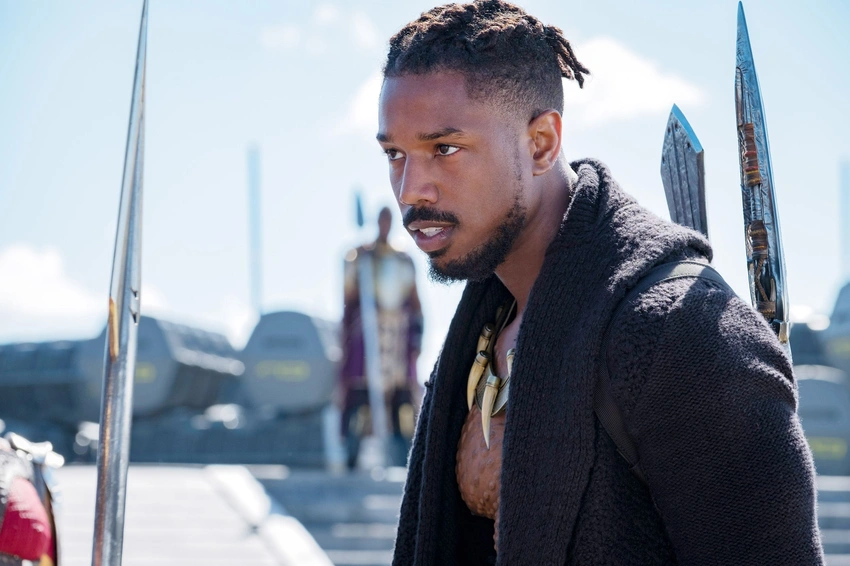
Time to Level Up Hair Representation in Gaming\n\nFor too long, the digital world of gaming has relied on a tired default for Black characters: the ubiquitous “Killmonger locs.” It’s a style that, while iconic in its original context, has become a symbol of a deeper issue—a glaring lack of authentic, diverse Black hairstyles in video games. This isn't just a minor cosmetic detail; it’s a failure of representation that impacts how players see themselves and others in virtual worlds.\n\nAt the heart of this push for change is Danielle Udogaranya, better known as Ebonix. This technical artist, with a decade of experience crafting custom content for life-simming games, understands the struggle intimately. Her hand literally ached at the thought of creating new Black hairstyles for games like Paralives, not because she didn't want to, but because of the painstaking, tedious precision required to bring digital coils, braids, and kinks to life. As she puts it, “I thought to myself, why am I still having to do this?”\n\n## The “Killmonger Locs” Problem: Why It Persists\n\nSo, why the persistent reliance on a single, stiff, short-dreaded style seen across old and new franchises like Tekken 8, Spider-Man 2, Apex Legends, and Horizon Zero Dawn? The answer lies in the code. Textured hairstyles are notoriously challenging to render accurately with existing game engines and coding paradigms, which were often not built with them in mind. “If you're making straight hair, it’s very easy to taper the ends and then make it cute,” Udogaranya explains. But replicating the nuanced volume, texture, and movement of natural Black hair is a far more complex undertaking.\n\nThis technical hurdle has led to a disappointing reality: limited options. Gamers are still experiencing a landscape where, as Udogaranya laments, “God forbid we get more than three options.” This isn't just about aesthetics; it’s about inclusion. Players want to see themselves reflected in the characters they control, and for many, the current offerings fall short.\n\n## The Rise of Custom Content and Community Demand\n\nThe demand for more accurate and diverse Black hairstyles isn't just a niche request; it’s a booming movement. Ebonix's success story is a testament to this, with her Patreon boasting over 115,000 members and hundreds of free and paid custom content items. Fans of games like The Sims flock to her sites, eager to download hair packs inspired by real-life styles simply unavailable in-game. This groundswell of support highlights a critical gap that game developers are only now beginning to seriously address.\n\n## What’s Next for Representation?\n\nArtists like Udogaranya are not just creating content; they’re paving the way for industry-wide change. Their efforts demonstrate that with dedication and a willingness to tackle complex technical challenges, authentic representation is not only possible but highly desired. The era of the "Killmonger locs" as a default is fading, making way for a future where gaming’s diverse player base can truly see themselves reflected, in all their intricate, beautiful, and authentic glory.


Login to comment.
No thots yet. Be the first to share your thoughts!