What If Your Skin Had a Daily Defense System That Worked Even When You Didn’t Notice?

What If Your Skin Had a Daily Defense System That Worked Even When You Didn’t Notice?
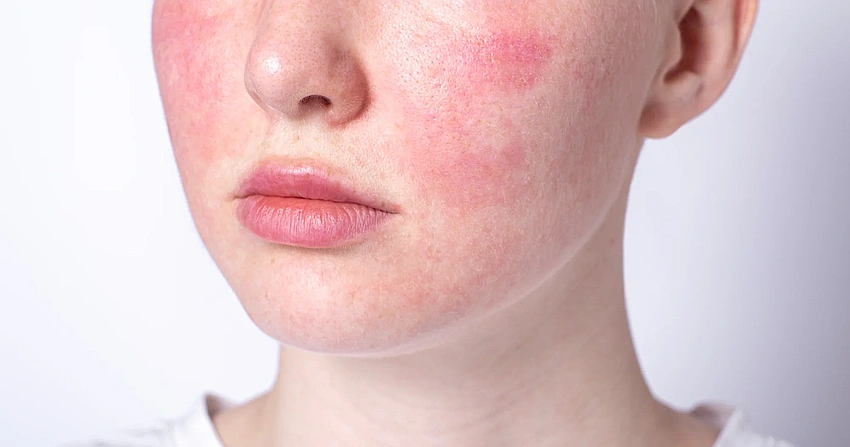
Healthy skin is not built overnight, and it is rarely the result of a single product. Instead, it is the outcome of a quiet, consistent system that works in the background every day. Two of the most overlooked yet essential elements in this system are protection and hydration. While they are often treated as separate steps, their true power lies in how they work together to maintain balance, prevent damage, and support long-term skin clarity. Incorporating a 🔗lightweight sunscreen for oily skin 🔗 into your routine is one of the first steps toward building this invisible shield.
Why Skin Needs Daily Defense, Not Occasional Care
Your skin is constantly exposed to environmental stressors such as UV radiation, pollution, and heat. These factors do not just cause visible damage like tanning or sunburn. They penetrate deeper, triggering inflammation, weakening the skin barrier, and accelerating aging.
Daily defense helps:
- Reduce inflammation triggered by UV exposure
- Prevent premature aging and pigmentation
- Support overall skin resilience
Without consistent protection, even the best skincare routine can lose its effectiveness.
Hydration: The Silent Force Behind Skin Stability
While protection shields the skin from external harm, hydration ensures that the skin remains strong from within. Dehydrated skin becomes more reactive, producing excess oil and becoming prone to breakouts.
Balanced hydration:
- Keeps the skin barrier intact
- Prevents overproduction of sebum
- Enhances the effectiveness of active ingredients
When hydration is maintained, the skin becomes less reactive and more adaptable to environmental changes.
The Interplay Between Protection and Hydration
Protection and hydration are not isolated steps. They function as a system. When your skin is well-hydrated, it can better withstand environmental stress. Similarly, when your skin is protected, it retains moisture more effectively.
This synergy leads to:
- Improved skin texture
- Reduced sensitivity
- Faster recovery from damage
Ignoring one while focusing on the other often leads to imbalance, making the skin either too dry or too exposed.
Why Oily Skin Still Needs This Balance
Many people with oily skin believe that skipping hydration or avoiding certain products will reduce breakouts. In reality, this approach often backfires.
When the skin lacks moisture:
- Oil glands compensate by producing more sebum
- Pores become clogged more easily
- Breakouts become more frequent
A balanced routine ensures that oil production remains controlled without stripping the skin.
Barrier Health: The Core of Everything
The skin barrier acts as the first line of defense. When it is strong, it protects against irritants and retains essential moisture. When it is damaged, the skin becomes vulnerable to acne, redness, and sensitivity.
Supporting the barrier:
- Strengthens the skin’s natural defenses
- Reduces the impact of environmental stress
- Improves overall skin health
This is where consistent hydration and daily protection work together most effectively.
The Long-Term Impact of Daily Exposure
According to research by the Skin Cancer Foundation, up to 90% of visible skin aging is caused by sun exposure.
This highlights how daily exposure, even when it seems minimal, accumulates over time and affects skin health in significant ways.

Adapting Your Routine to Your Environment
Your skin’s needs change based on climate, lifestyle, and exposure levels. In humid conditions, lightweight formulations work best, while in dry environments, richer hydration may be necessary.
Key adjustments include:
- Choosing breathable formulations in hot weather
- Increasing hydration in colder conditions
- Maintaining consistency regardless of season
Adapting your routine ensures that your skin remains balanced throughout the year.
Building a Routine That Works Quietly in the Background
The most effective skincare routines are not complicated. They are consistent and supportive. A simple structure can make a significant difference over time.
A balanced routine includes:
- Gentle cleansing to remove impurities
- Hydration to support the barrier
- Daily protection to prevent damage
These steps, when followed consistently, create a foundation for healthier skin.
Common Mistakes That Disrupt Skin Balance
Even with the right intentions, certain habits can disrupt your skin’s equilibrium:
- Skipping daily protection
- Using harsh products that strip moisture
- Overloading the skin with active ingredients
- Ignoring seasonal changes
Avoiding these mistakes can help maintain long-term skin health.
Conclusion
Skin health is not just about treating visible concerns. It is about creating a system that works consistently to protect and support your skin every day. When hydration and protection are balanced, the skin becomes more resilient, less reactive, and better equipped to handle daily stress. Incorporating a Moisturizer for oily skin 🔗 🔗ensures that hydration is maintained without clogging pores, helping the skin stay balanced and clear. Over time, this quiet consistency leads to stronger, healthier skin that can defend itself more effectively.
Call to Action
If you are ready to build a routine that works beyond surface-level care, explore thoughtfully designed skincare solutions at World of California 🔗. The right balance can transform not just how your skin looks, but how it functions.
FAQs
1. Why is daily protection important even indoors?
UV rays can penetrate windows and still affect your skin, making daily protection essential.
2. Can oily skin skip hydration?
No, skipping hydration can increase oil production and worsen breakouts.
3. How often should I reapply protection during the day?
Every 2 to 3 hours when exposed to sunlight for optimal effectiveness.
4. Does hydration help with acne?
Yes, proper hydration helps balance oil production and supports skin healing.
5. Can I use the same routine year-round?
It is best to adjust your routine based on seasonal and environmental changes.
