Cleanfluencers: Watching Strangers Fold Laundry is a Luxury

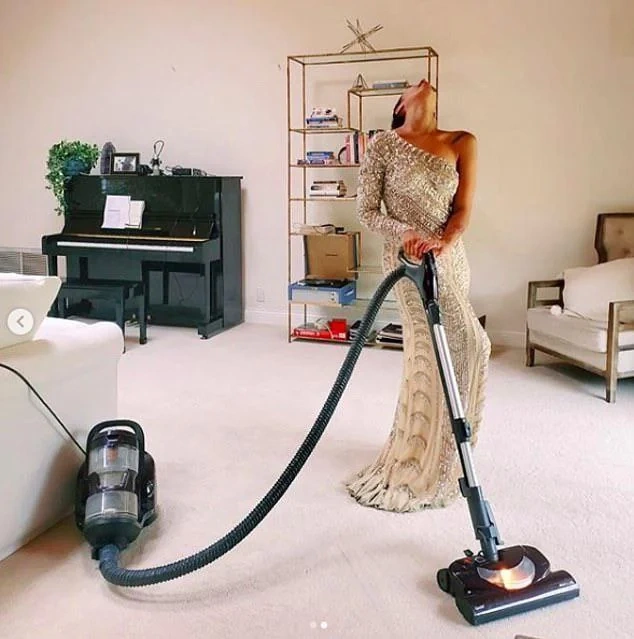
Cleanfluencers: Watching Strangers Fold Laundry is a Luxury
From TikTok 'Sunday Resets' to silent cleaning vlogs, we are obsessed with other people's chores. Here is why watching someone else scrub a toilet has become the ultimate aspirational luxury in our burnout economy.
It is 11 PM on a Tuesday. The blue light of my phone illuminates a pile of laundry on the chair in the corner, the one I have been respectfully ignoring for three business days. On the screen, however, a disembodied pair of manicured hands is decanting beige lentil pasta into a glass jar with a satisfying, rhythmic clack. Next comes the fridge restock. Then the sink scrub. I am not cleaning my apartment. I am lying horizontal, paralyzed by the sheer exhaustion of existing under late-stage capitalism, watching a stranger in Utah perform the domestic labor I cannot muster the serotonin to attempt.
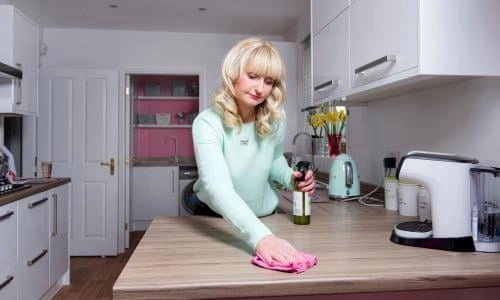
Welcome to the rise of 'Chore-Core,' the internet subgenre where the mundane drudgery of household management is repackaged as high-gloss content. If you have spent any time on the clock app recently, you know the drill. It is the Sunday Reset. It is the silent vlog. It is the ASMR-heavy documentation of a life where socks never lose their partners and Tupperware lids always match.
As an English Lit grad, I cannot help but look for the narrative arc here. Historically, literature treated domestic work as a trap. Think of the narrator in The Yellow Wallpaper, driven mad by the confinement of her room, or the frantic, stifled energy of Betty Friedan’s The Feminine Mystique. Domesticity was the cage. Yet here we are, digitally voyeuristic, gazing longingly into the cage and wishing our bars were that polished.
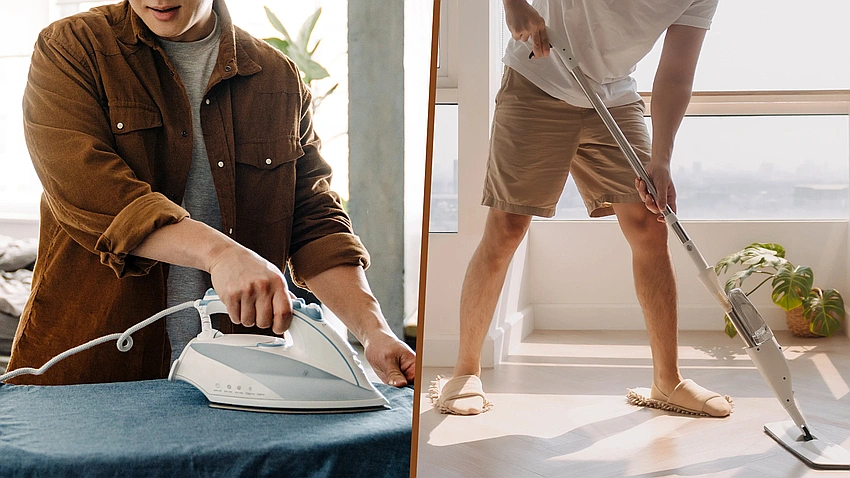
Why has the act of folding a fitted sheet become the ultimate aspirational luxury? The answer lies in the specific flavor of our collective burnout. We are living in an economy of uncertainty. The housing market is a fever dream, job security is a myth, and the news cycle is a constant barrage of existential dread. In this context, a clean counter is not just hygiene. It is a controllable variable.
When we watch an influencer scrub the grout of their shower with a toothbrush, we are not looking for tips. We are micro-dosing order. We are vicariously experiencing a world where effort leads to a visible, immediate result. That is a feedback loop most of us rarely get in our email-job lives, where projects drag on for quarters and 'success' is a vague metric decided by a zoom call.
But there is a cynical underbelly to this coziness. Chore-Core turns basic survival into a performance of class. To have a 'Sunday Reset' implies you have Sundays off. It implies you have the budget for twenty-five different acrylic organizers and the mental bandwidth to care about the aesthetic alignment of your soda cans. The aestheticization of chores frames labor as leisure, but only for those who can afford to make it look pretty. For the rest of us, it is just dissociation masked as productivity.

We consume this content because it offers a simulation of adulthood where things are manageable. It is a digital pacifier. We watch the laundry get folded so we do not have to feel the guilt of our own wrinkles. It is the same impulse that makes me annotate novels I have already read; there is safety in a plot you can predict.
Ultimately, Chore-Core is the romance novel of the burnout era. We swoon not over Mr. Darcy, but over a Dyson vacuum that actually works. We fantasize not about a grand ball, but about a kitchen island free of clutter. It is a beautiful, curated lie, but god, it looks nice. I should probably go fold that laundry now. I think I will watch one more video instead.
