Could a Chinese Covid drug help India curb Nipah outbreaks?

Could a Chinese Covid drug help India curb Nipah outbreaks?
A Chinese study suggests the oral antiviral VV116 could curb Nipah spread, offering cautious hope as India faces Nipah cases in West Bengal.
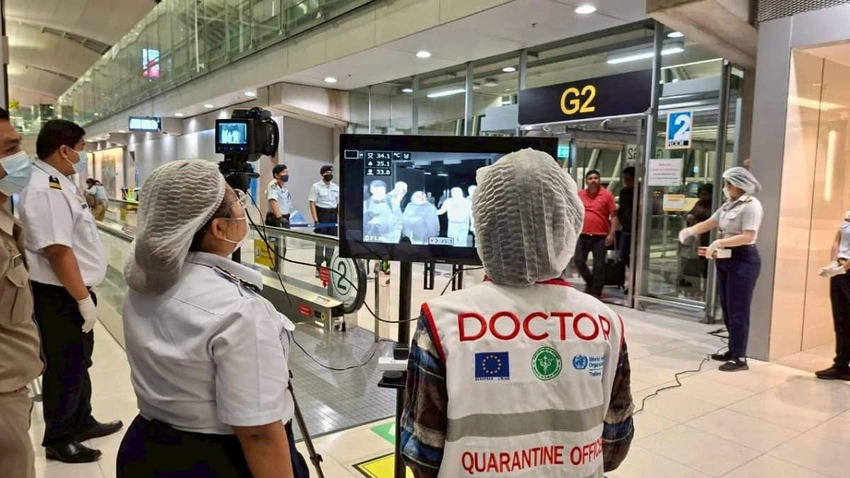
India is watching Nipah virus cases in West Bengal, where two infections have been confirmed since December, according to health officials. Nipah is a bat-borne virus that can cause severe brain inflammation and has a high fatality rate between 40% and 75%; there is currently no vaccine or widely approved cure.
A joint study by Chinese scientists, published in Emerging Microbes & Infections, reports that VV116, an oral nucleoside drug originally developed for Covid-19, could help prevent Nipah spread in outbreak settings. The paper notes that VV116 demonstrated significant antiviral activity against Nipah in laboratory settings and improved survival in animal trials.
In lab experiments, an oral dose of VV116 reduced Nipah activity and increased survival in golden hamsters to 66.7%, while also lowering the amount of the virus in key organs such as the lungs, spleen and brain. The drug is already approved for Covid-19 treatment in China and Uzbekistan.
Researchers emphasize these results are preclinical and based on animal studies; they caution that human trials are necessary to determine safety and efficacy against Nipah. Still, the findings arrive at a time when India is intensifying monitoring, with the central government stating that two Nipah cases have been confirmed in West Bengal since December and that travel screenings and public health measures remain in place. Nipah spreads from bats to humans and currently has no approved vaccine, underscoring the need for continued vigilance and research.
