The 'Half-Jar Ghee' Fast: Health Hack or Risky Diet Trend?
The 'Half-Jar Ghee' Fast: Health Hack or Risky Diet Trend?
Dr. Shilpa Arora's ghee fast has everyone talking. But is consuming half a jar of ghee during a 16-hour fast truly beneficial, or is it a trend to approach with caution? Experts weigh in.
Imagine finishing your dinner at 6:30 pm and not eating again until 11 am the next morning, except for: wait for it: half a jar of ghee. This intriguing regimen, popularized by celebrity macrobiotic coach Dr. Shilpa Arora, has certainly captured attention on social media.
She claims this unique fasting approach, stretching for approximately 16 hours, helps lower cortisol and raise melatonin levels, with an additional dollop of ghee and black coffee if hunger strikes the next morning.
But is this an enlightened approach to health or a diet fad that warrants a closer look?
The Traditional 'Ghee Fast' vs. the New Twist
Historically, consuming ghee on an empty stomach isn't entirely new. Deepalakshmi, a registered dietitian at Shree Balaji Medical Centre in Chennai, explains that a conventional ghee fast typically involves “a small quantity of melted ghee on an empty stomach.” The goal, she notes, is to allow its absorption without competition from other foods, stimulating digestion, bile secretion, and gastric function ahead of the day’s first meal.
Deepalakshmi highlights ghee's nutritional virtues: it contains short- and medium-chain fatty acids, making it easily digestible, and provides fat-soluble vitamins A, D, E, and K, which are crucial for overall nutrient absorption. When consumed modestly, it can even offer a mild lubricating effect on the gastrointestinal tract, potentially assisting with occasional constipation.
A Question of Quantity and Suitability
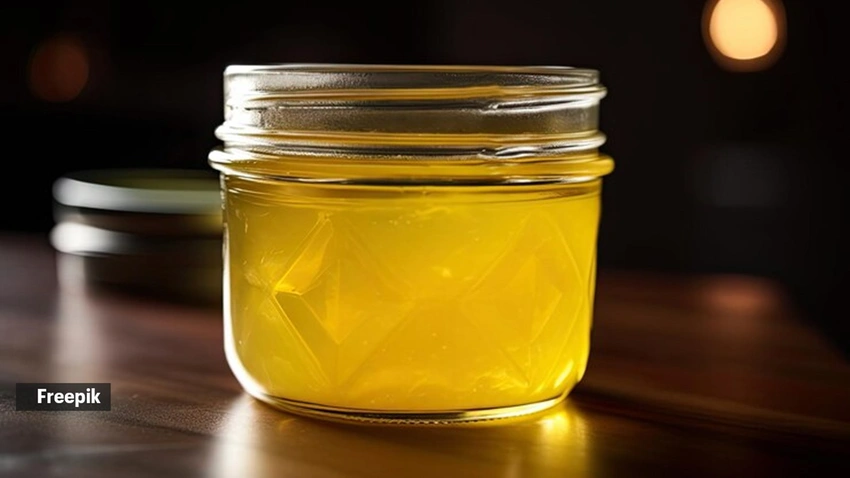
Here's where the plot thickens. Dr. Arora's method involves “half a jar of ghee” during a 16-hour fast. While ghee has its benefits, this is a significant amount compared to the “small quantity” traditionally recommended.
For context, even a modest jar could contain several hundred grams of ghee, translating to thousands of calories. This raises questions about whether such a high caloric intake from fat truly constitutes a 'fast' in the conventional sense, especially if the goal is caloric restriction or metabolic reset.
Moreover, the dietitian emphasizes critical considerations for anyone contemplating a ghee fast. Deepalakshmi stresses that the practice is
generally more suitable for individuals with normal digestive function and no underlying lipid-related health conditions.
She specifically mentions it might benefit those experiencing “dry skin, mild constipation, or sluggish digestion.” The key takeaway?
Individual responses can vary widely, meaning what works for one person might not be suitable - or safe - for another.
Navigating the New Nutrition Frontier
The allure of quick fixes and celebrity-endorsed wellness hacks is undeniable. Ghee itself is a revered ingredient in traditional practices, known for its myriad benefits.
However, integrating it into a fasting regimen, particularly in such large quantities, moves beyond traditional advice and into experimental territory.
Before you consider adding 'half a jar of ghee' to your fasting routine, it's crucial to consult with a qualified health practitioner. While the potential benefits of ghee are recognized, the efficacy and safety of consuming such a substantial amount during a prolonged fast, especially for individuals with undiagnosed conditions, remains largely unexplored in clinical settings.
Differentiating between a beneficial health practice and a potentially risky trend is paramount for our well-being. Always prioritize personalized advice over generalized wellness claims, no matter how enticing they seem.
