Obama Questions Iran Deal: Is America Worse Off Than Before?
Obama Questions Iran Deal: Is America Worse Off Than Before?
Former President Barack Obama voices strong concerns about the new US-Iran agreement, warning it might leave America in a more precarious position. Dive into his critical assessment of the deal's implications.
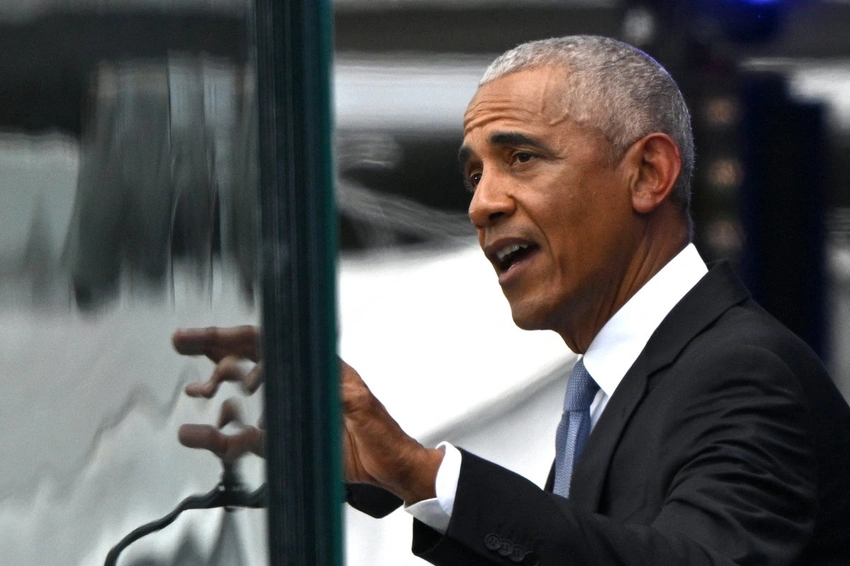
Former President Barack Obama has voiced significant concerns regarding the recent agreement between the Trump administration and Iran, suggesting that the United States might emerge from the situation in a “worse off” position than before. Speaking at the opening of the Barack Obama Presidential Center and Library, where part of the center is dedicated to his administration's 2015 Joint Comprehensive Plan of Action (JCPOA), Obama offered a critical assessment of the new deal.
While expressing relief that the fighting would cease and hoping for a lasting ceasefire, Obama questioned the initial rationale for the conflict. He highlighted that his administration's JCPOA was designed to prevent Iran from obtaining nuclear weapons. However, the subsequent withdrawal from that deal by a prior version of the Trump administration, according to Obama, led Iran to develop more nuclear capacity.
“We've now fought a war, spent billions and billions of dollars, put enormous strain on our military,” Obama stated, adding, “A lot of people have died, and it feels like we're back where we were before we start the war, except maybe a little bit worse.” This sentiment underscores a deep frustration with the perceived lack of progress and the heavy costs incurred.
The current agreement, despite raising hopes for calming the world economy, leaves many crucial details for future negotiations, keeping the international community on edge. Some conservatives have noted similarities between the current agreement and the 2015 Obama deal. However, the former president's comments suggest that the path taken since the JCPOA's abandonment has been detrimental, incurring immense human and financial costs without achieving a significantly better outcome.
Adding to the complexity, Lebanon has emerged as a potential weak link in the broader US-Iran deal. While a cease-fire in Lebanon was eventually agreed upon, the underlying issues—specifically Israel’s occupation and Hezbollah’s arsenal—remain unresolved. These outstanding points contribute to the general wariness among world leaders and further complicate the path to a stable, long-term peace in the region, echoing Obama's broader concerns about the deal's ultimate efficacy. The situation remains fluid, with ongoing diplomatic efforts attempting to solidify a precarious truce into a lasting peace.
