Plague Scare in Russia: Is India at Risk? Expert Weighs In!

Plague Scare in Russia: Is India at Risk? Expert Weighs In!
Amidst a suspected plague death in Russia and quarantines, a Kerala medical expert clarifies the risk to India. Learn about pneumonic plague and why panic isn't necessary.
A suspected case of plague, possibly resulting in a death and subsequent quarantines in Russia's Siberia region, has brought global attention to the ancient disease. However, medical experts are urging calm, especially regarding the risk of transmission to distant regions like India. Dr. Jayadevan, Convenor of the IMA Research Cell, offered a detailed explanation of Yersinia pestis , the bacterium responsible for plague.
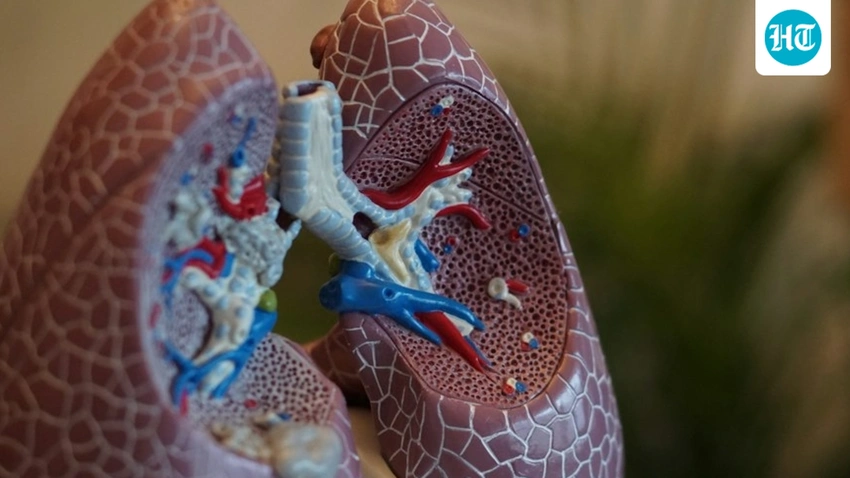
He clarified that plague can manifest in three primary forms: skin problems (lesions), pneumonia (infection in the lungs), or by spreading through the bloodstream to various parts of the body. He emphasized that the pneumonic form, which affects the lungs, is particularly dangerous as it can rapidly progress to death within 24 hours. Despite its severity, Dr.
Jayadevan reassured the public that plague is a well-understood disease in modern medicine.
Effective preventive measures, including targeted antibiotics, are available for individuals at risk of exposure. He stressed the importance of contact tracing, identifying and monitoring those who have been in close contact with an infected person, as a crucial step in containing any potential spread.
Crucially for India, Dr. Jayadevan stated that there is no immediate risk of the bacteria reaching the country through travel. While human-to-human transmission of pneumonic plague can occur in crowded settings, individuals suffering from the severe form are typically too ill to travel long distances or widely spread the disease.
This significantly reduces the likelihood of international transmission via air travel. According to documentation from the US Centres for Disease Control and Prevention, individuals with pneumonic plague commonly experience symptoms such as elevated temperatures, headache, and fatigue, followed by rapid-onset pneumonia, breathing difficulties, chest pain, coughing fits, and sometimes blood-tinged or fluid-like secretions.
The expert's guidance aims to dispel panic, highlighting modern medicine's capabilities in managing and preventing the spread of plague.
#PlagueScare #PublicHealth #IndiaNoRisk #PneumonicPlague #HealthUpdate
