Karnataka to Rehouse Families After Bengaluru Kogilu Demolitions

Karnataka to Rehouse Families After Bengaluru Kogilu Demolitions
Karnataka moves to provide alternate housing for genuine homeless affected by the Kogilu demolitions in Bengaluru, as KSHRC flags potential rights violations and probes the process.
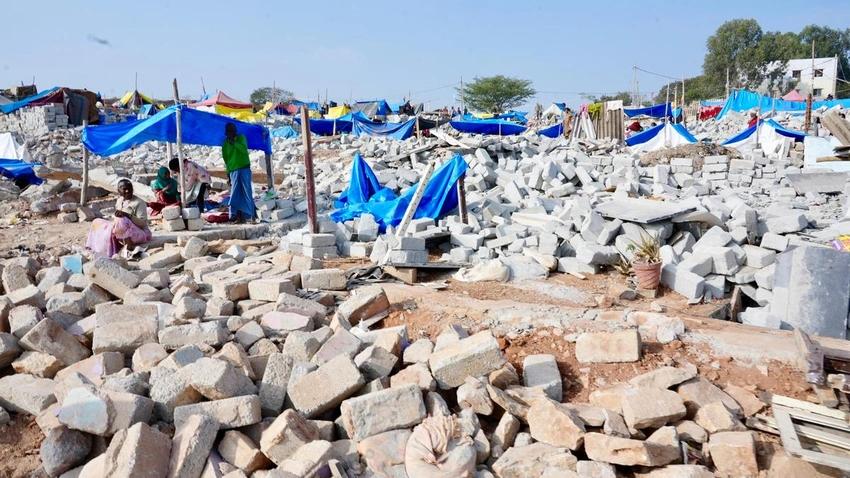
Bengaluru saw a demolition drive at Kogilu Layout and Fakir Colony on December 20, carried out by Bengaluru Solid Waste Management Limited to clear encroachments for a proposed solid waste processing unit. Authorities said the structures were unauthorized; many residents are migrants from other states. The government has now announced plans to provide alternate housing to those deemed genuinely homeless who lost shelter in the drive.
The Karnataka State Human Rights Commission (KSHRC) visited the site and indicated that, prima facie, there appear to be gaps in providing proper alternate arrangements for affected residents. The commission said it would verify records and determine whether legal provisions were followed, with preliminary recommendations to the government while a full inquiry proceeds. The panel also noted that residents’ accounts point to potential human rights concerns, though verification of documents is still required.
Surveys on the number of affected families have yielded conflicting figures. An NGO survey identified nearly 170 families across Fakeer Colony and Waseem Layout before the demolitions, with 167 houses recorded as demolished (47 in Fakeer Colony, 38 in Fakeer Colony (New), and 82 in Waseem Layout), affecting about 192 heads of families. Officials from the Rajiv Gandhi Housing Corporation Limited later placed the figure closer to 200. A separate list submitted by local ‘slum leaders’ claimed more than 350 eligible families, though this list has not been adopted by government agencies. Residents say many documents required to prove eligibility were destroyed in the demolitions, and some allege having paid intermediaries around ₹2 lakh over the years to secure plots and basic services, only to be warned against speaking out after the event. Media reports also indicate temporary shelter centers were opened some distance from the site, but residents question whether those provisions were adequate or promptly made.
Government sources emphasise that the rehousing plan targets only genuine cases and that ongoing inquiries will determine the best way to support affected people. Temporary arrangements and a transparent verification process are expected to be part of the next steps as officials balance housing needs with urban development plans.
The episode highlights the human impact of rapid urban expansion and the need for clear, timely due process when evictions occur. As investigations unfold and housing arrangements take shape, residents and rights groups await concrete details on compensation, timelines, and the location of alternate shelters.
