Is It Warm Out There? America's Climate Conversation Just Chilled.

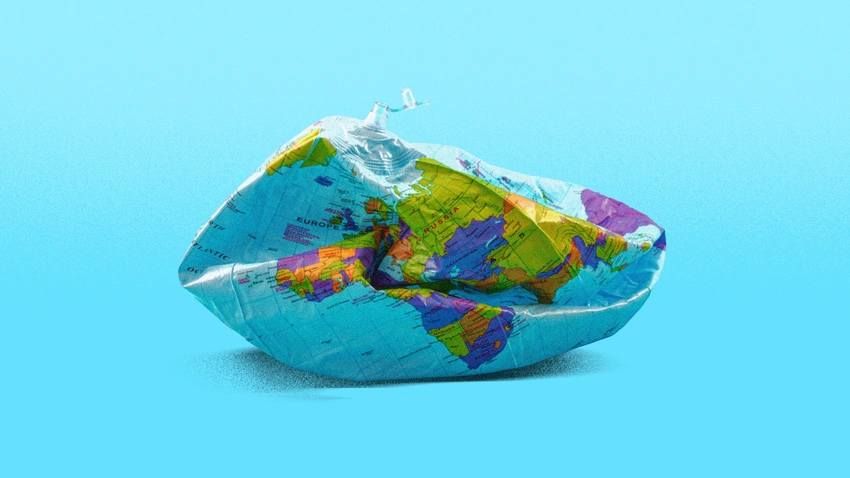
Is It Warm Out There? America's Climate Conversation Just Chilled.
The planet's heating up, but America's conversation about it? Not so much. Dive into why the climate crisis is facing widespread fatigue, and what it means for action.
The stark reality is undeniable: the planet is getting hotter. Yet, a curious and troubling phenomenon has taken root. As observers, we've noted a significant shift where America’s conversation about this critical issue has chilled. It's a paradox that leaves many asking, in the words of a recent piece, "Is It Warm Out There?"
This isn't just about data; it's about the human element. The initial shock and urgency surrounding climate change seem to have given way to a pervasive sense of fatigue. We're seeing a widespread perception that "America doesn’t seem to care," a sentiment that is both alarming and understandable when you look closer at the sheer volume of information, often overwhelming, that bombards us daily.
So, why the chill in the conversation? Part of it is psychological. Continuous exposure to dire predictions without clear, tangible solutions can lead to desensitization. When the problem feels too big, too abstract, or too far-reaching, the natural human response can be to disengage. It's a coping mechanism, a way to protect ourselves from constant anxiety. Writers like Joshua Partlow have keenly noted this decline in active public discourse, even as the scientific consensus grows stronger and impacts become more visible.
Another factor is the sheer volume of information. Visuals, often provided by leading image archives like Getty, and countless articles from outlets like The Atlantic, while vital for awareness, can also contribute to a sense of saturation. When every news cycle brings another climate-related disaster or report, it can be hard to differentiate between urgency and white noise. This can make it feel like the conversation is static, even when new developments emerge.
But not everyone is tuning out. There’s a resilient core of individuals, activists, scientists, and communities directly impacted by extreme weather events who remain fiercely engaged. For them, the warming planet isn't an abstract concept but a lived reality. Their unwavering commitment offers a vital counter-narrative to the prevailing fatigue, pushing for policy changes, sustainable innovations, and community resilience.
The challenge lies in bridging this gap. How do we reignite a conversation that has grown cold? It means shifting narratives from doom and gloom to possibility and action. It means personalizing the impact, showing how climate change affects local communities, health, and economies, not just distant polar ice caps. It requires showcasing successful interventions and highlighting the power of collective action, offering a path forward rather than just a warning.
The planet is getting hotter, and that fact isn't going to cool down just because our conversation has. The real task ahead is to find new ways to engage, to thaw the dialogue, and to transform widespread fatigue into renewed commitment and proactive solutions. Our collective future depends on it.
