Hayli Gubbi Erupts After 12,000 Years: Experts Explain Why

Hayli Gubbi Erupts After 12,000 Years: Experts Explain Why
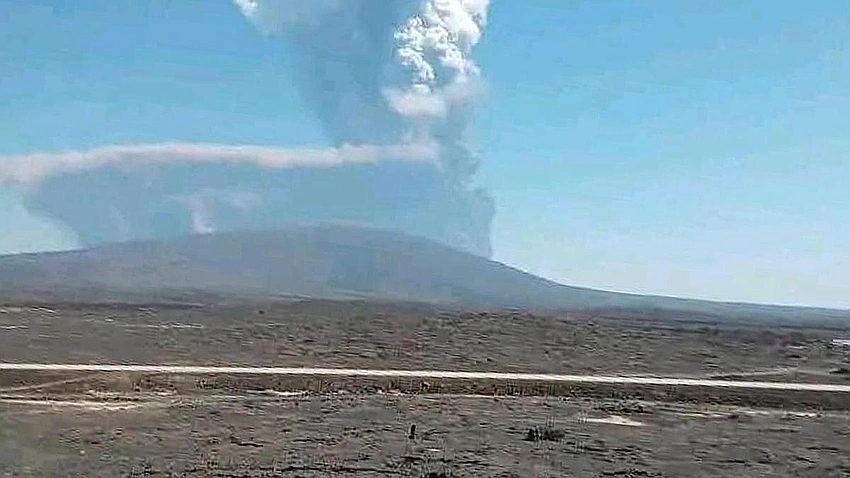
Hayli Gubbi in Afar, Ethiopia erupts after 12,000 years of quiet. Scientists point to magma buildup beneath the East African Rift.
Hayli Gubbi is a shield volcano in Afar, Ethiopia, and a member of the Erta Ale Range. It sits at the edge of the East African Rift where the African and Arabian plates are slowly pulling apart. A shield volcano is a broad, gently sloping form built from many thin, fluid lava flows, and its eruptions are typically less explosive, with lava spreading out wide like a warrior’s shield.
The eruption on November 23 surprised scientists by snapping the long quiet period of roughly 12,000 years. While it’s early days, researchers say the answer likely lies deep beneath the rift. As tectonic plates diverge, hot mantle rock rises and partially melts, feeding magma into shallow chambers beneath the volcano. Over millennia, this magma can accumulate and pressurize the rocks above. When faulting or cracking finally creates a path to the surface, the pressurized, gas-rich magma can rise quickly, and the dissolved gases expand into bubbles, driving an eruption.
Because Hayli Gubbi is remote and poorly monitored, scientists are still analyzing satellite images and ash samples. Their explanations remain provisional and may evolve as new data becomes available.
Cover image source: Why did Hayli Gubbi erupt now? 🔗
