Bamboo, Smoke, and Simplicity: Flavors of the Northeast

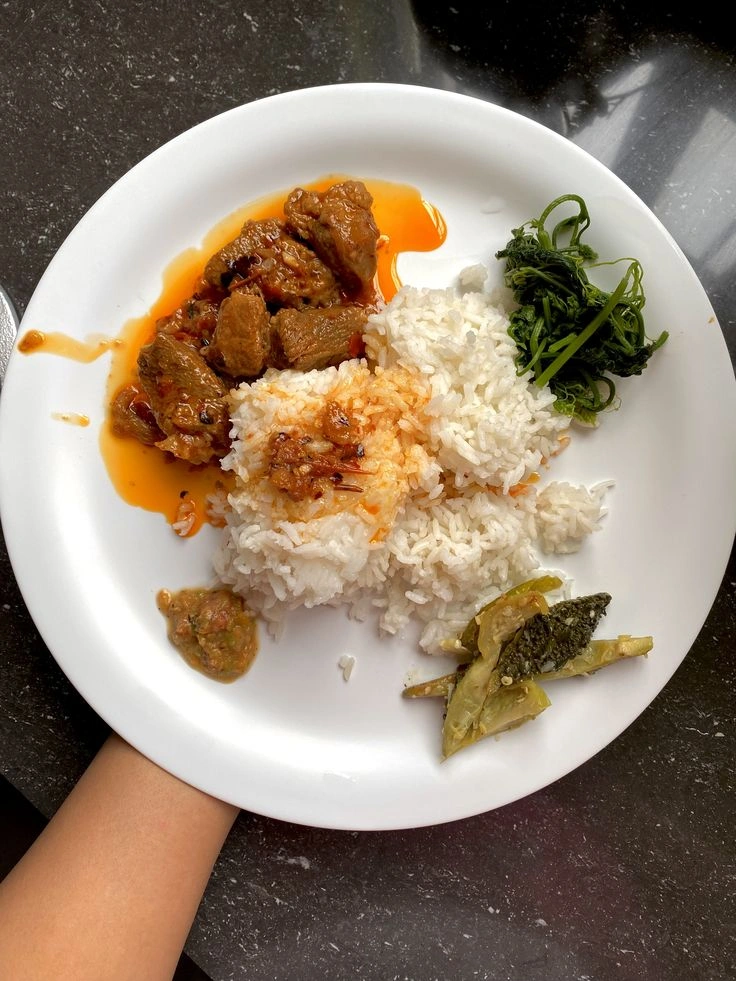
Bamboo, Smoke, and Simplicity: Flavors of the Northeast
Bamboo, Smoke, and Simplicity: Flavors of the Northeast
In a country where food is often associated with richness, layers of spices, and elaborate preparation, the cuisine of India’s Northeast feels almost like a quiet contrast. It does not try to overwhelm. It does not depend on heavy gravies or complex seasoning to define itself. Instead, it works with something more grounded: fresh ingredients, natural processes, and flavors that feel close to the land they come from.
This is what makes Northeastern food distinct.
It is not designed to impress loudly.
It is designed to feel honest.
Across the eight states: Assam, Nagaland, Manipur, Meghalaya, Mizoram, Tripura, Arunachal Pradesh, and Sikkim, the cuisine varies widely. Yet, there is a shared philosophy that connects them: food should reflect its environment, not transform it beyond recognition.
This is where bamboo, smoke, and simplicity come in.
They are not just techniques or ingredients.
They are expressions of how people live.
Bamboo is one of the most defining elements of Northeastern cuisine. Used in different forms: fresh, dried, or fermented, it adds a distinct earthy sharpness that is immediately recognizable. Bamboo shoot is not an addition for complexity; it is part of the identity of many dishes.
Its flavor is slightly tangy, slightly pungent, and deeply rooted.
It reflects the forests and the landscape itself.
What is interesting is that bamboo is not treated as something exotic within the region. It is ordinary. Familiar. Integrated into daily cooking without the need for explanation.
This sense of normalcy is important.
It shows how ingredients become part of culture not through novelty, but through repetition and comfort.
Fermentation plays a similarly central role.
Many Northeastern dishes rely on fermented ingredients—fish, soybeans, bamboo shoots: not only for preservation, but for depth of flavor. Fermentation creates a complexity that does not come from spice, but from time.
It is a slow process.
One that cannot be rushed.
And that slowness becomes part of the taste.
Food carries patience within it.
This is a different kind of richness: not heavy, but layered quietly.
Smoke is another defining element.
In many parts of the Northeast, smoking is used to preserve meat and enhance flavor. Smoked pork, in particular, appears in several regional dishes, carrying a deep, almost rustic taste that feels both strong and grounded.
The flavor of smoke is not just about technique.
It reflects environment.
Cooking methods shaped by weather, resources, and tradition.
When you taste something smoked, you are tasting not only the food, but the method that kept it sustainable over time.
This connection between technique and necessity gives Northeastern food its authenticity.
Nothing feels excessive.
Everything feels purposeful.
Even the use of spices is different.
Unlike other Indian cuisines that rely heavily on spice blends, Northeastern cooking often uses fewer spices, allowing ingredients to remain recognizable.
Ginger, garlic, chilies, herbs: these are used, but not to mask flavor.
They support it.
The goal is not to create complexity through layering, but to maintain clarity.
You know what you are eating.
The taste is direct.
This simplicity can be surprising for those used to richer Indian food. At first, it may even feel understated. But over time, it reveals something deeper: a kind of culinary honesty.
Food does not need to be dramatic to be meaningful.
It needs to be real.
Perhaps what makes the flavors of the Northeast so special is that they do not try to fit into mainstream expectations of Indian food.
They exist on their own terms.
They are quieter, but not less meaningful.
Simpler, but not less complex.
Different, but deeply rooted.
And in that difference, they offer something valuable: a reminder that food can be powerful without being overwhelming.
That taste can come from understanding ingredients rather than transforming them completely.
That culture can be expressed through restraint as much as through abundance.
Bamboo, smoke, and simplicity are not limitations.
They are choices shaped by environment, history, and lifestyle.
And together, they create a cuisine that feels deeply connected: to land, to tradition, and to everyday life.
In a world where food is often designed to stand out, Northeastern cuisine does something else.
It stays close.
And in doing so, it becomes something you do not just eat, but slowly understand.

Login to comment.
No thots yet. Be the first to share your thoughts!