Soderbergh's Lennon Interview Doc Falls Short on AI Clip Show

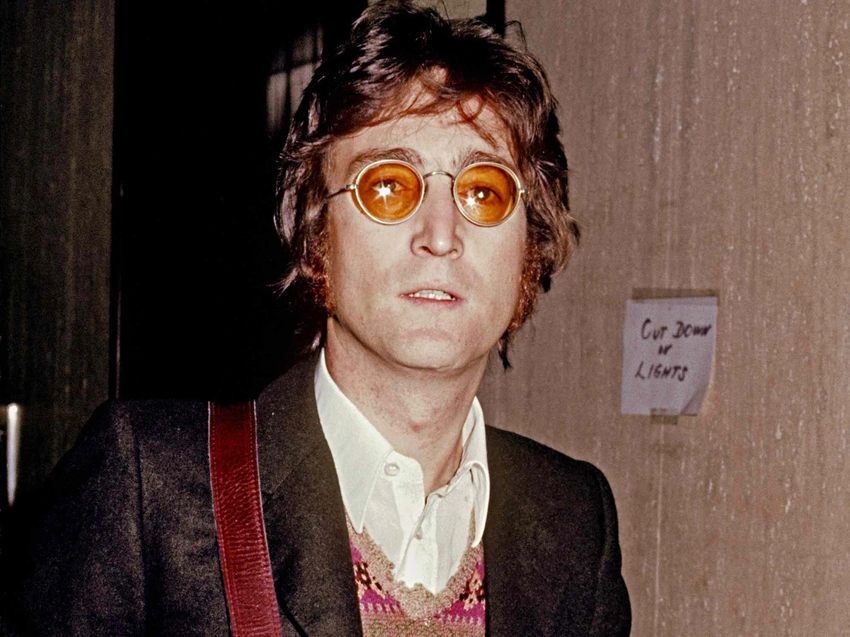
Soderbergh's Lennon Interview Doc Falls Short on AI Clip Show
Steven Soderbergh's Lennon documentary leans on AI-generated clips that critics say dull the final interview’s impact.
Steven Soderbergh’s new documentary on John Lennon’s final interview arrives with expectations—and a controversial twist: AI-generated clips that attempt to dramatize the conversation. The film centers on the December 8, 1980 interview in New York’s Dakota apartment, conducted hours before Lennon’s murder, with KFRC’s Dave Sholin, Laurie Kaye and Ron Hummel handling the questions. The narrative threads Lennon's reflections on peace, love, music, and the counterculture as the 1980s dawn, while a stream of AI visuals tries to accompany his words.
Critics have largely viewed the AI sequences as bland and somewhat superfluous, likening them to second-rate album art or knockoff graphic design. The project’s selling point—using AI to simulate or dramatize conversations—has sparked debate about how best to preserve the emotional weight of the moment without leaning on gimmicks. The film reportedly replays the lengthy dialogue with Lennon at the center, with Yoko Ono playing a smaller role in the visuals, an absence that the documentary doesn’t fully compensate for.
A notable strand of irony runs through the piece: Lennon spends much of the interview articulating optimism for the future and a hopeful counterculture, even as the film’s audiovisual approach risks casting a shadow over that mood. The chilling context looms—one can’t ignore that the man who spoke so warmly about peace would be murdered later that day—yet the documentary chooses to emphasize the human side of Lennon and his ideals rather than lingering on the macabre prelude. In doing so, it aims to offer a positive lens on Lennon’s message, even if the AI elements distract from it for some viewers.
Overall, the film diverts from the raw, documentary-like weight many hoped for, instead presenting a moderated portrait where technology’s reach outpaces its resonance. For fans of Lennon and for cinephiles curious about the intersection of archival interviews and modern AI, the documentary raises important questions about how we represent historical moments on screen—sometimes at the expense of the very emotion they seek to capture.
