Two Nipah Suspected Cases Detected in Barasat, West Bengal

Two Nipah Suspected Cases Detected in Barasat, West Bengal
Two nurses in Barasat face suspected Nipah virus as authorities initiate contact tracing and seek confirmatory tests, with Centre promising full support.
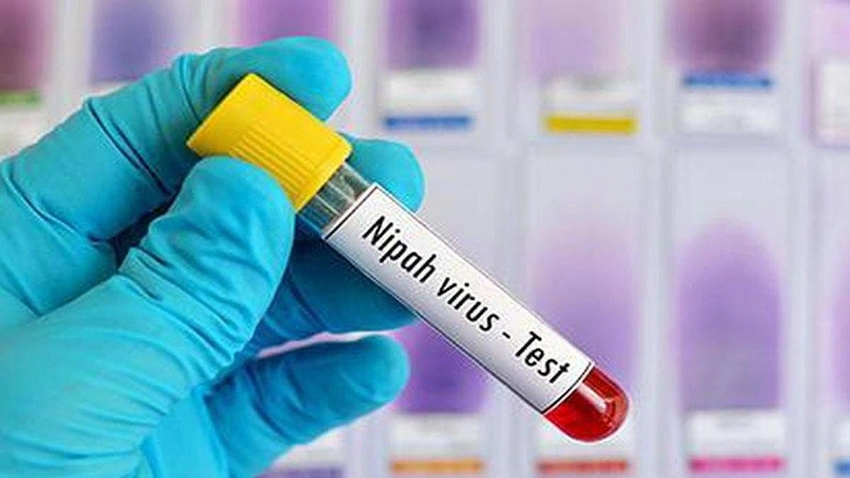
Two suspected Nipah virus cases have been detected in Barasat, in West Bengal’s North 24 Parganas district, officials said on Monday. The patients are a male nurse and a female nurse working in the same private hospital in Barasat, and they are currently in a critical condition and on ventilation. They had returned home to East Midnapore and East Burdwan in December before falling ill. Samples have been sent to the National Institute of Virology in Pune for confirmation.
Officials added that contact tracing has been initiated in the districts where the two had been, and some people who came in contact with them have been traced and are being advised to isolate at home. A second official noted that the samples are being tested at NIV Pune, and there is ongoing coordination with the Union health ministry. The ministry later posted on X that Union Minister JP Nadda assured the West Bengal government of comprehensive technical, logistical, and operational support following the detection of suspected Nipah virus cases. Immediate coordinated action has been taken, they said.
West Bengal’s health department has said it is monitoring the situation closely and has activated rapid response measures. The state has also reported that sufficient capacity exists to test Nipah virus samples. In parallel, authorities are coordinating with the Virus Research and Diagnostic Laboratory at AIIMS Kalyani for further testing and confirmation as the Centre deploys a national team to assist at the ground level. Nipah virus is typically associated with fruit bats, and transmission to humans can occur through contact with infected animals or contaminated fluids, though the exact transmission pathways are not always clear. The mortality rate for Nipah can be high, underscoring the need for early detection and strict infection-control measures.
Public health officials have urged residents not to panic but to stay alert, follow official guidance, and practice standard precautions to prevent infection. The episode illustrates the ongoing vigilance required to detect and contain potential Nipah outbreaks, particularly as cases are investigated and confirmed in a timely manner.
