Supreme Court weighs central question in 'Born American' case

Supreme Court weighs central question in 'Born American' case
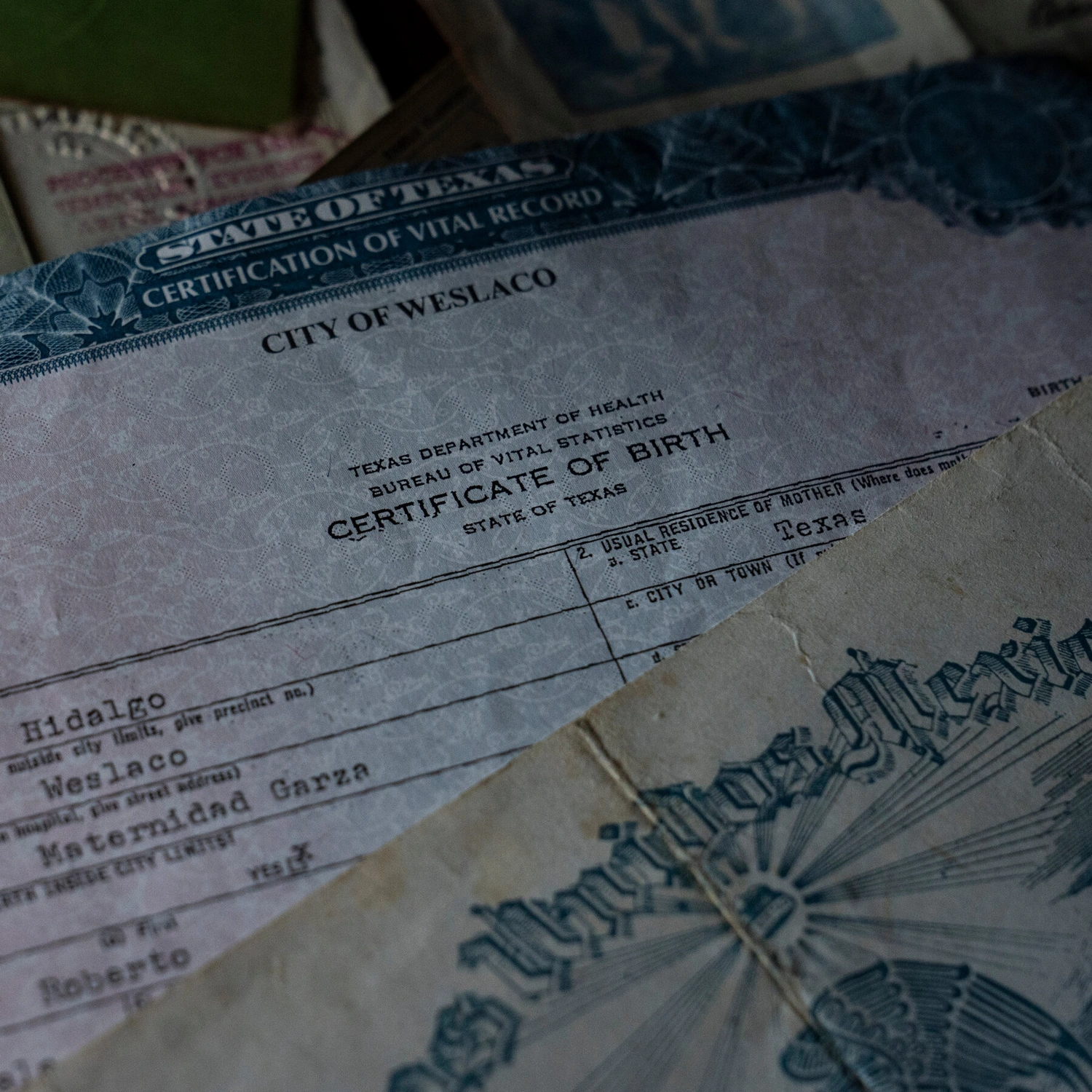
A pivotal Supreme Court case on citizenship asks what it means to be born American, as justices prepare to hear arguments that could reshape birthright citizenship.
A pivotal Supreme Court case about citizenship asks what it means to be born American, and the questions before the justices center on who counts as a citizen and under what conditions. The case challenges long-standing interpretations of the 14th Amendment and invites debate over the limits of birthright citizenship.
Supporters say the case is about equity and the uniform application of the law, arguing for clear rules that protect family stability. Opponents warn that changes could affect immigrant families and create a climate of uncertainty for children born in the United States.
Oral arguments are expected to reveal how the court will balance precedent with evolving social and political realities. Legal briefs detail how other countries handle birthright citizenship and how a ruling might ripple through immigration policy, education, and civic participation.
Observers, advocates, and ordinary citizens will be watching as the justices weigh constitutional guarantees, legislative powers, and practical consequences. The decision, anytime in the coming months, will likely reverberate beyond the courtroom.
In Washington, the courtroom will gather attention across the country as this case tests a foundational question about who is—by birth—American.
