The Real Cost of Celebrity Image: Why Janhvi Kapoor's Pyjama Confession Resonates

The Real Cost of Celebrity Image: Why Janhvi Kapoor's Pyjama Confession Resonates
Explore the hidden mental health toll of constant public scrutiny, inspired by Janhvi Kapoor's candid airport revelations and expert insights on privacy.
We live in an era where stepping out of the house requires a full glam squad, even if you are just grabbing a coffee or catching a red-eye flight. But every once in a while, a star pulls back the curtain to reveal the sheer exhaustion behind the perfection.
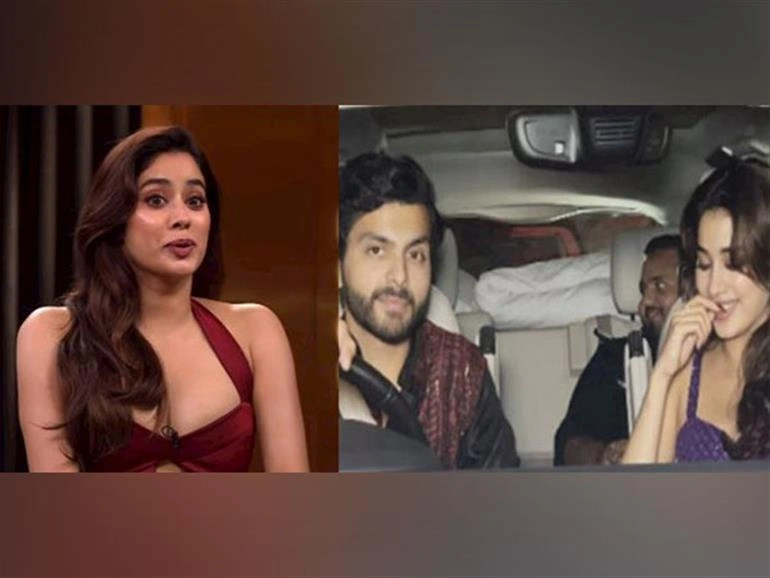
Janhvi Kapoor recently opened up about the relentless chatter over how an actor should look, admitting she has often walked through airports in pyjamas with a pillow in hand, or stepped out straight from a mandir without sleep, hair, or makeup. That simple confession hits hard. It highlights the invisible weight of the celebrity image and the unspoken expectation that stars must perform their stardom 24/7.

When the public demands perfection, even a trip to the airport becomes a high-stakes runway show. The chatter eventually gets to them, forcing actors to question whether they should make more of an effort just to appease the crowd. Yet, at her core, Kapoor believes that true artistry comes down to how people see you on the big screen, not your transit wardrobe.

So what happens when every single moment of your life is subject to evaluation? According to Tanvi Singh, mental health expert and founder of Leap of Foundation, privacy is not a privilege; it is a psychological need. Public figures may choose a life in the spotlight, but that choice should never be interpreted as consent to constant access.
Visibility is not the same as vulnerability.

When every casual interaction can be documented and dissected, it breeds chronic stress, hypervigilance, and deep emotional fatigue. We often forget that behind every public figure is a human being who needs spaces to exist without being watched.
Boundaries are what keep people grounded. Singh points out that having the freedom to decide what to share and what to keep private reinforces autonomy, dignity, and psychological wellbeing. Respecting these boundaries does not alienate fans; it simply reminds us that safety and privacy are universal human requirements.

Reclaiming Control in a Digital Age So, how do public figures survive the goldfish bowl? Counselling psychologist Athul Raj suggests that modern privacy is less about completely disappearing and more about being intentional with what you choose to share. It starts with drawing a hard line around non-negotiable personal spaces, like relationships, family moments, and quiet routines.
Raj recommends simple habits like limiting real-time updates, turning off location tags, and treating social media as a curated window rather than a live diary.

Sharing only after a moment has passed ensures that the memory belongs to you before it belongs to the internet.

Taking small pauses before hitting post helps verify if sharing truly aligns with your personal values.
When privacy becomes a consistent habit, you stay firmly in the driver seat of your own story. After all, the most compelling part of any icon is not their polished airport look, but the authentic human being behind the lens.


Login to comment.