Spyware's Sting: EU Politician Hacked While Investigating NSO Group!

Spyware's Sting: EU Politician Hacked While Investigating NSO Group!
Imagine: an EU politician investigating spyware gets hacked by Pegasus. This isn't fiction. The NSO Group's tool is a real threat to privacy and political integrity. Dive into the shocking details.
This isn't a drill. The digital world is seeing an alarming escalation in surveillance capabilities, and it’s hitting closer to home than many realize. We're talking about a European politician, tasked with a critical role on an EU committee investigating the very industry he fell victim to. His phone was breached, not by some amateur hacker, but by Pegasus spyware, a product of NSO Group.
Think about that for a moment. Someone serving on a committee designed to scrutinize the spyware industry, specifically NSO Group’s offerings, had their personal device compromised by that exact technology. This isn't just a technical vulnerability; it’s a direct assault on the mechanisms of accountability itself. The irony is stark, and the implications are chilling.
The timeline is crucial here. This incident, brought to light on July 2, 2026, highlights a persistent and evolving threat. The incident isn’t just a data point; it’s a bellwether for what’s at stake: the privacy of individuals and the integrity of democratic processes. When those meant to safeguard us are themselves vulnerable, where does that leave everyone else?
Pegasus spyware is notoriously sophisticated. It can infiltrate devices remotely, often without any interaction from the user, turning a smartphone into a pocket spy. It grants access to messages, calls, photos, and even the microphone and camera. This isn't just about monitoring; it’s about absolute digital capture. For a politician involved in sensitive investigations, this means potential compromise of sources, strategies, and even personal security.
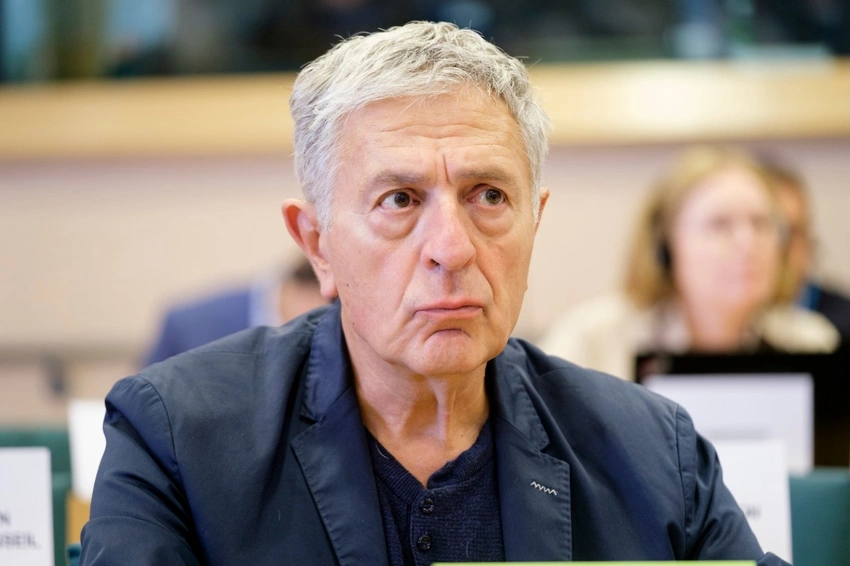
The use of Pegasus by a government customer of NSO Group in this context raises uncomfortable questions. Who approved this surveillance? What was the motive? And what does it say about the checks and balances — or lack thereof — in the deployment of such powerful tools? The image accompanying the original reports, captured by Thierry Monasse / Getty Images Security Zack Whittaker, underscores the gravity of these high-stakes situations.
This isn't an isolated incident; it’s part of a larger, global pattern where sophisticated digital tools are being weaponized against journalists, activists, and now, even those tasked with oversight. The fight for digital privacy is increasingly a fight for political integrity. It calls for immediate and decisive action from policymakers, tech companies, and civil society. Ignoring this escalating threat is no longer an option.
