Israeli Strikes Kill 14 in Lebanon Just Before High-Stakes Washington Talks

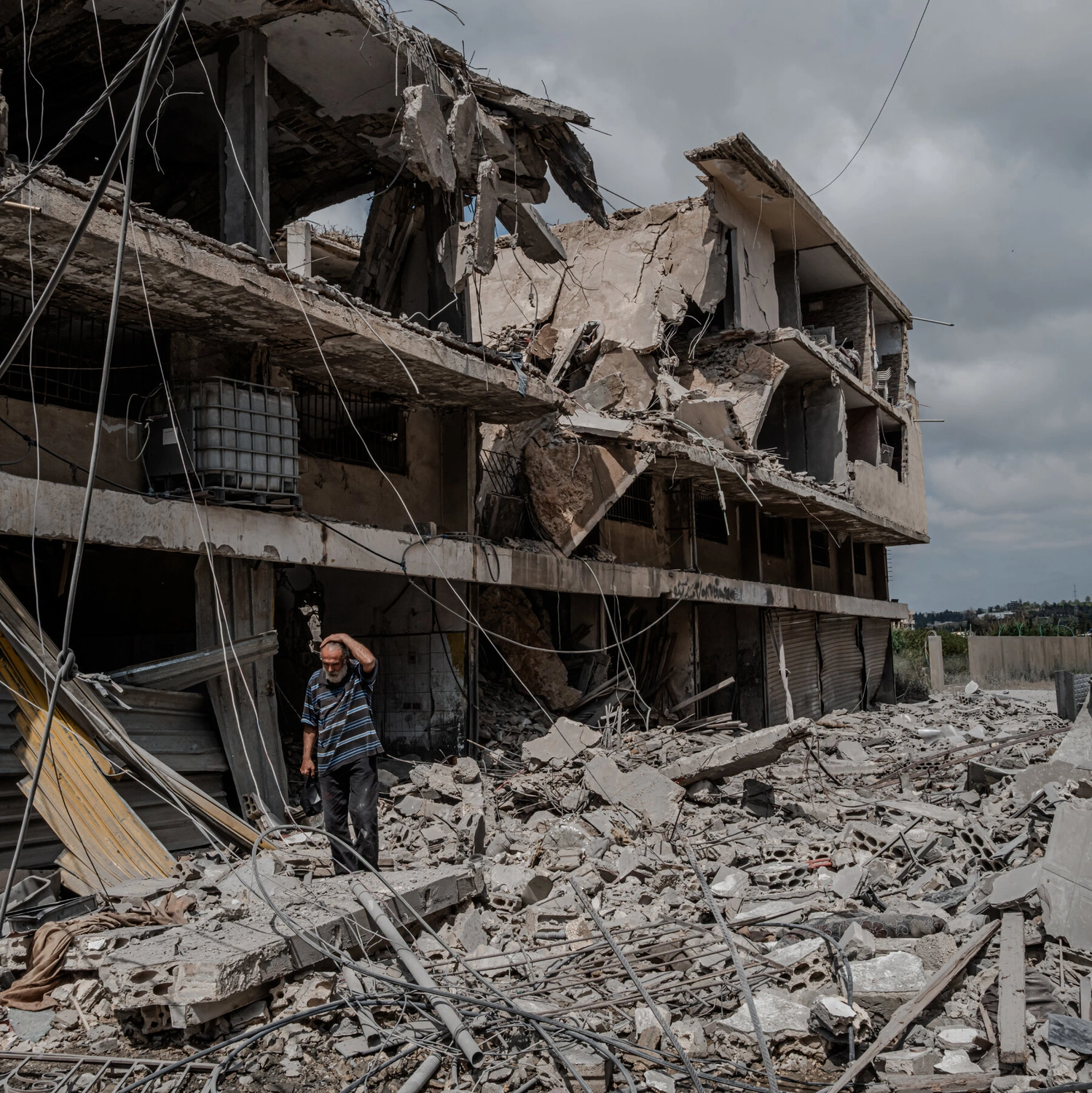
Israeli Strikes Kill 14 in Lebanon Just Before High-Stakes Washington Talks
As violence intensifies in southern Lebanon with 14 dead, military officials prepare for a landmark meeting in D.C. Stay updated on the latest developments.
In a sharp escalation of violence, Israeli military strikes have killed at least 14 people across southern Lebanon early Thursday morning. This surge in conflict comes at a critical moment, as military officials from both Lebanon and Israel prepare to head to Washington for their first formal security talks since a nominal ceasefire began in April.
The strikes targeted several areas, including the historic coastal city of Tyre and the city of Sidon. Among the casualties were five women and children, along with a Lebanese soldier, according to local health officials. The Israeli military had issued warnings to residents in eight buildings in Tyre shortly before the attacks, leading to a frantic exodus of families from the Mediterranean coastal city.
The intensification of the conflict appears to be a response to new tactics from the Hezbollah group. Israeli Prime Minister Benjamin Netanyahu recently announced an expansion of military operations following the use of advanced fiber-optic exploding drones by Hezbollah. These drones have reportedly struck Israeli troops within Lebanon and reached border towns in northern Israel, resulting in the death of one Israeli soldier on Thursday.
Further north in Sidon, an Israeli drone strike on an apartment building housing displaced families claimed five more lives. Despite the rising death toll and the exchange of fire, diplomatic efforts are still moving forward behind the scenes. The upcoming talks in Washington, scheduled for Friday, represent a fragile hope for stability, even as the nominal ceasefire that went into effect on April 17 feels increasingly distant.
However, the path to peace remains complicated. Hezbollah has expressed skepticism regarding the Washington talks, deferring instead to its ally, Iran. Tehran has reportedly made ending the conflict in Lebanon a primary condition for its own separate negotiations with the U.S., which are being brokered by Pakistan. For the people living in southern Lebanon, the hope for a lasting deal remains overshadowed by the reality of ongoing strikes and the uncertainty of what comes next.
['#LebanonCrisis', '#MiddleEastNews', '#WashingtonTalks', '#Ceasefire2026']
