AI vs. Artists: Who Owns Your Sound in the Age of Generative Music?

AI vs. Artists: Who Owns Your Sound in the Age of Generative Music?
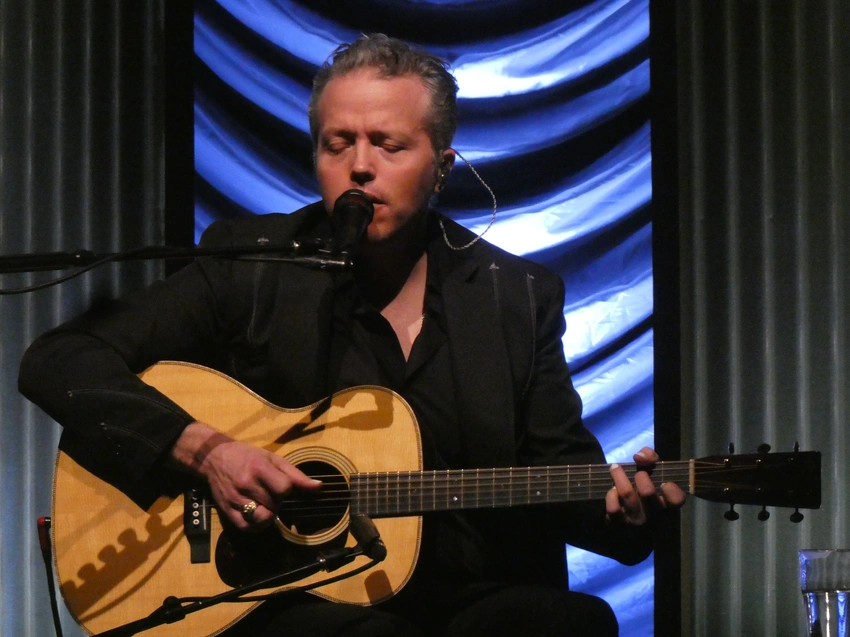
Musicians like Jason Isbell are fighting back against AI music generators. What happens when your unique identity becomes training data? It's a battle for creativity itself.
The music industry is facing an existential question: who truly owns creativity and identity in the age of generative AI? We're witnessing a new front in the battle for artistic rights, one where the very essence of a musician's sound is at stake.
Grammy-winning Americana artist Jason Isbell, alongside figures like David Lowery of Cracker and Camper Van Beethoven, Texas bluesman Guy Forsyth, and saxophonist Eduardo Calle, are leading a charge against AI music generator Suno.
Their core argument is simple yet profound: AI models are exploiting artists' identities to create new tracks without consent.
Think about it, imagine your unique voice, your signature guitar riff, or your distinctive songwriting style being fed into an algorithm, then churned out in countless variations by anyone with a prompt. That's the reality these musicians describe. Attorney Alan D.
Rose, representing the plaintiffs, makes a compelling comparison, likening Suno's methods to the Borg from “Star Trek”: absorbing and restructuring to create similar, if changed, versions. The chilling phrase, “resistance is futile,” feels particularly apt when contemplating the scale of this technological shift.
The Commercial Exploitation of Identity
The crux of the complaint is that Suno allegedly ‘encoded musicians’ identities into its AI model to create its commercial product without consent.’ This isn't just about mimicry; it's about monetizing an artist's established persona and creative output. Rose explicitly states,
It encoded musicians’ identities into its AI model to create its commercial product without consent, and now exploits those identities by publicly using musicians’ names to Suno’s considerable commercial benefit.
This isn’t a hypothetical future, it's happening now.
The plaintiffs are pushing for class-action status, seeking statutory and punitive damages. More importantly, they want to prevent Suno from continuing to capture and monetize artists' identities. This isn't merely about financial compensation, but about establishing a fundamental principle of ownership in the digital frontier.
Drawing the Line: Defining Artistic Ownership
The industry is at a crossroads. As one musician's lawyer put it, 'A musician's identity is their property, but Suno took it without consent.' This lawsuit represents a critical moment for artists worldwide, drawing a clear line in the sand regarding intellectual property and personal identity in the AI era.
While AI offers incredible potential for creative exploration, that potential cannot come at the cost of disregarding the rights and livelihoods of human creators.
The outcome of this federal lawsuit in Massachusetts could set a significant precedent for how AI development intersects with artistic expression. It forces us all to consider the ethical boundaries of generative technology.
Are we building tools that empower artists, or systems that can effortlessly appropriate their very essence?
The answer will shape the future of music itself.
