Reeves to give regional leaders a share of national tax revenues

Reeves to give regional leaders a share of national tax revenues
Chancellor unveils a bold fiscal devolution plan, giving England’s mayors a share of income tax to fund long-term local investment and rebalance the economy.
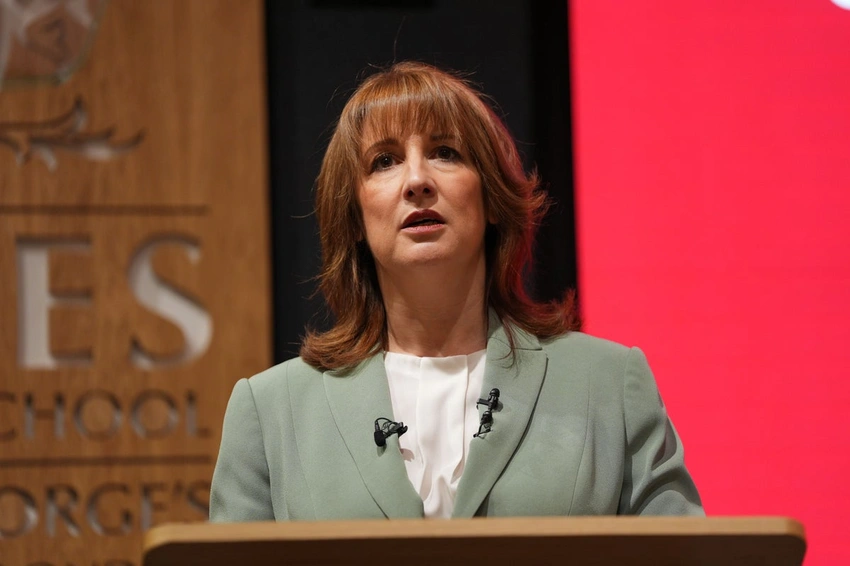
Chancellor Reeves unveiled a plan to draw up proposals that would let England’s regional mayors receive a slice of national tax revenues as part of a broader push to rebalance the economy. In a high-profile Mais lecture at Bayes Business School in London, she framed the move as a genuine break with the past, arguing that money and decision-making have been too tightly concentrated in Westminster. The proposal would start with income tax and is intended to be complemented by investment-led growth across the UK.
Treasury officials will publish a roadmap in the autumn Budget, outlining how a share of taxes could be allocated to regional leaders and how the revenue would be managed. Reeves also announced £2.3bn in new city investment funds for England’s metro mayors to spend on long-term projects, and that they would be allowed to retain future business rates revenue, strengthening their fiscal autonomy.
Analysts welcomed the signal but urged caution. The plan is framed as addressing centralisation; Reeves noted the UK is among the most politically centralised democracies and geographically unequal. Critics say the structure will hinge on effective governance and capacity at the regional level. Aditi Sriram of IPPR described the move as a missing piece of the devolution settlement, stressing that funding and powers must go hand in hand.
With a Budget looming, the government faces questions about guardrails, accountability, and how to ensure that devolved funds finance productive investment rather than short-term fixes. If implemented, the reform could reshape how towns and cities grow, boost regional opportunities, and alter the balance of political power.
