Taylor Swift Files Image and Voice Trademarks Amid AI Deepfake Fears

Taylor Swift Files Image and Voice Trademarks Amid AI Deepfake Fears
Swift's company filed three trademarks for an Eras Tour image and the lines 'Hey, it’s Taylor Swift' to guard against AI misuses and deepfakes.
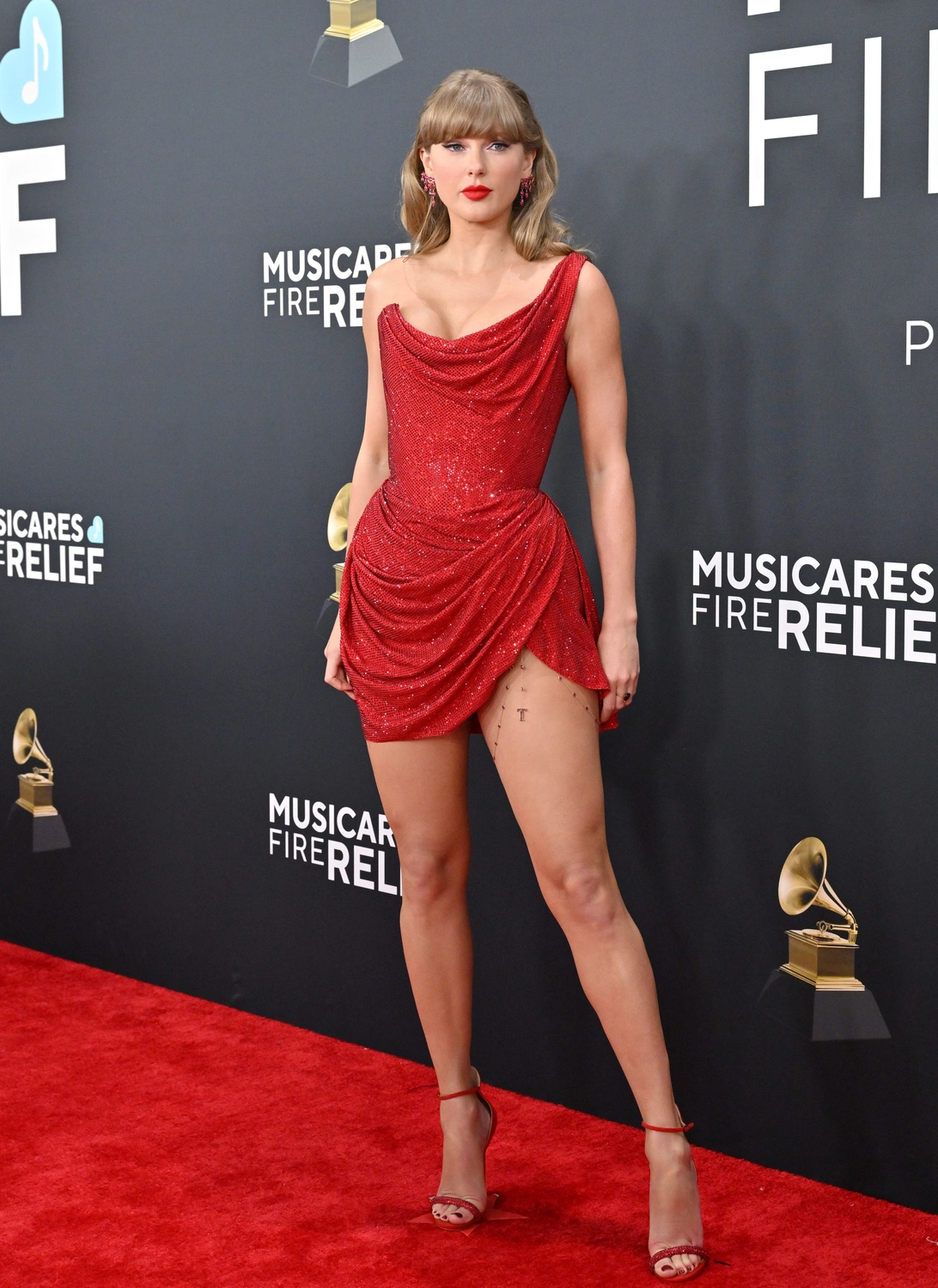
Taylor Swift’s team has filed three trademark applications with the U.S. Patent & Trademark Office as part of a broader push to safeguard the singer’s voice and likeness amid growing AI concerns. The filings, made by TAS Rights Management on April 24, cover an image of Swift performing during The Eras Tour and two sound marks—one for the phrase “Hey, it’s Taylor Swift” and another for the same line without the performer’s name. The move aligns Swift with other celebrities seeking legal protections to curb unauthorized uses of their identity in AI-generated content.
Industry observers note that trademark filings can add a layer of protection even as the legal framework around AI and publicity rights remains unsettled. In recent years, artists have faced deepfake images and other manipulations that blur the line between homage and exploitation. While a representative for Swift did not respond to requests for comment, legal commentators have highlighted the filings as a proactive step in a rapidly evolving landscape for rights in the age of artificial intelligence.
The trend echoes similar actions by figures like Matthew McConaughey, who has pursued trademark registrations to protect his distinctive voice and catchphrases. For Swift, safeguarding both a performing image and recognizable phrases could deter others from monetizing her likeness or voice without permission, especially as AI tools generate increasingly convincing impersonations. The development comes at a time when fans and platforms have already grappled with AI-generated content involving Swift, including past incidents where attempts to misuse her name or image sparked security and moderation responses.
As conversations about the No Fakes Act and other proposals continue in Congress, industry insiders say trademark filings may provide a practical, if partial, remedy to the misuses that proliferate online. Swift remains one of the music world’s most influential figures, and today’s filings reflect a broader push among celebrities to codify protections as technology outpaces current law.
