Hormuz Crisis Deepens: Shipping Halts, Iran Warns Amid Escalation 🚢

Hormuz Crisis Deepens: Shipping Halts, Iran Warns Amid Escalation 🚢
Global energy supplies at risk as commercial shipping through the Strait of Hormuz nearly grinds to a halt after Iran's latest warnings and renewed attacks. Get the full story.
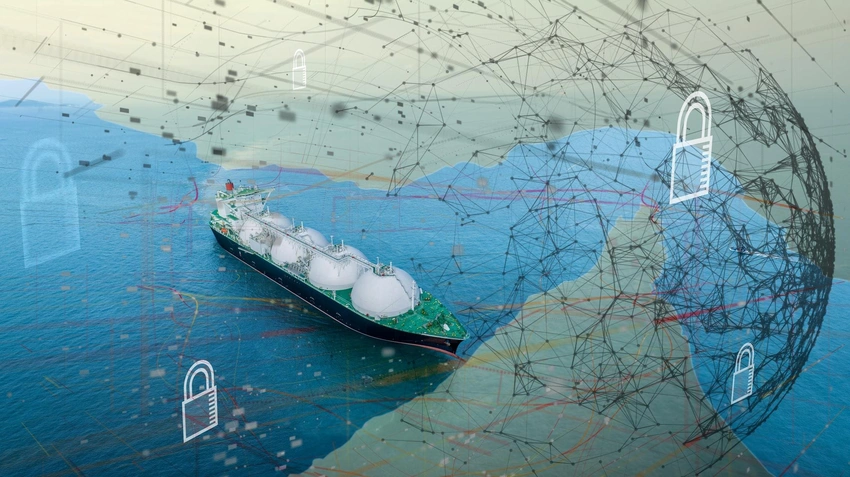
The vital Strait of Hormuz, a crucial choke point for global energy supplies, has once again become a flashpoint, with commercial shipping reportedly grinding to a near halt. New warnings from Iran and recent incidents of vessels being fired upon are escalating fears of prolonged disruption to the international energy market.
Tracking data cited in a Bloomberg report indicated no commercial ship crossings on Sunday, following a brief increase in traffic on Saturday. The situation has been marked by confusion and reversal; initially, Iran's Foreign Minister Abbas Araghchi stated the strait was open, leading some oil tankers to attempt passage. However, at least 13 vessels were forced to turn back towards the Persian Gulf.
The renewed closure came after the United States firmly refused to lift its naval blockade of Iranian vessels, which Iran deemed "unacceptable." This standoff has trapped millions of barrels of oil and vast volumes of liquefied natural gas within the Persian Gulf, threatening to exacerbate the ongoing global energy crunch and pushing oil prices higher.
Adding to the tension are several recent security incidents. The UK Maritime Trade Operations (UKMTO) reported a tanker being approached by Islamic Revolutionary Guard Corps (IRGC) gunboats off Oman and subsequently coming under fire on Saturday. In separate events, a container ship was reportedly hit by an unknown projectile, and another commercial vessel reported a nearby projectile splash.
These developments follow a period where Iran had indicated it would allow ships to transit the Strait during a ceasefire between Israel and Tehran's ally Hezbollah. However, US President Donald Trump's insistence on maintaining the naval blockade against Iranian vessels appears to have triggered the latest round of closures and warnings, intensifying geopolitical risks in one of the world's most critical shipping lanes.
