China's Tech Standoff & Global Sway: Is a New Order Emerging?

China's Tech Standoff & Global Sway: Is a New Order Emerging?
New reports reveal China's bold stance on rejecting foreign tech, potentially hindering innovation, alongside a startling global shift: many countries now prefer Beijing over Washington. Explore the changing geopolitical
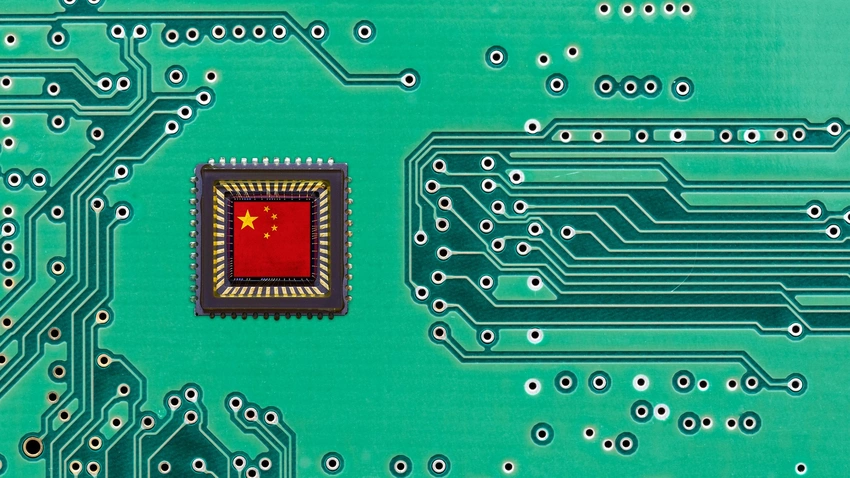
Beijing is sending a clear message to the world: "We don't want your chips." This bold stance, particularly in the critical semiconductor industry, signals a significant shift in China's technological independence strategy. While this move aims to bolster domestic innovation and self-sufficiency, experts warn that actively excluding the world's best tools could ironically impede progress and stymie the very innovation Beijing seeks to cultivate. The decision to limit reliance on foreign technology comes at a pivotal time, as global power dynamics are under intense scrutiny.
Compounding this technological declaration, startling new research suggests a dramatic shift in global perceptions of superpowers. According to 'The Guardian,' many countries, including long-standing allies of the United States, now express a preference for Beijing over Washington. This isn't necessarily a full embrace of Chinese ideals, but rather an increasing 'America-avoidance,' indicating a growing discomfort or disillusionment with Washington's global leadership. This trend suggests that the world isn't merely "Chinamaxxing", actively seeking to maximize China's influence, but rather repositioning itself away from the traditional dominance of the United States.
Together, these two developments paint a compelling picture of a rapidly evolving international landscape. China's pursuit of technological autonomy, coupled with a broader global re-evaluation of superpower allegiances, indicates a significant departure from the post-Cold War order. As Beijing asserts its technological independence and gains diplomatic favour, the implications for global trade, security alliances, and the future of innovation are profound. This dual movement towards tech self-reliance and increased global acceptance positions China not just as a challenger, but as a potential architect of a new world order, forcing nations worldwide to recalibrate their foreign policies and economic strategies.
