Trump Ends Key Climate Rule, Sparks Debate on U.S. Climate Policy

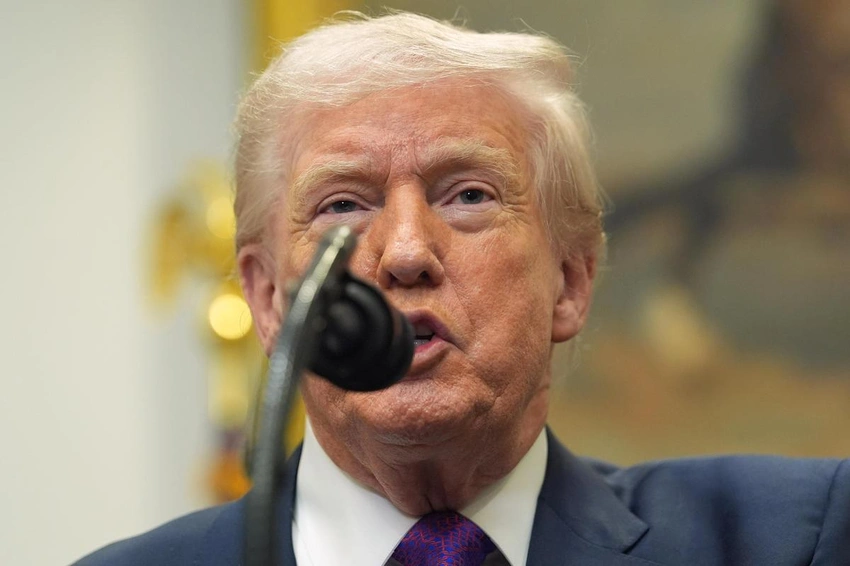
Trump Ends Key Climate Rule, Sparks Debate on U.S. Climate Policy
Trump revokes the EPA's endangerment finding, reshaping how climate rules are built in the U.S. What it means for health, emissions and policy.
The Trump administration has repealed the Environmental Protection Agency's 2009 endangerment finding, a legal finding that greenhouse gases threaten public health and welfare. With that basis removed, the EPA could chart a different course for how climate-related rules are written and enforced.
Observers note the move could undermine long-standing vehicle emission standards that relied on the endangerment finding, potentially loosening limits on cars and trucks.
Health and environmental groups warn that rolling back the finding could slow progress on reducing air pollution and climate risks, while supporters say the change clears the way for a modern, deregulatory climate policy.
The path forward is unsettled. While the administration signals a broader deregulatory stance, Congress, courts, and state governments may shape new rules on emissions, energy efficiency, and clean-air protections.
If nothing else, the move signals a turning point in U.S. climate policy—one that will be closely watched by industries, researchers, and communities vulnerable to pollution and extreme weather.
