When Truth Bites Back: Journalists Expose 'Sanitized News'

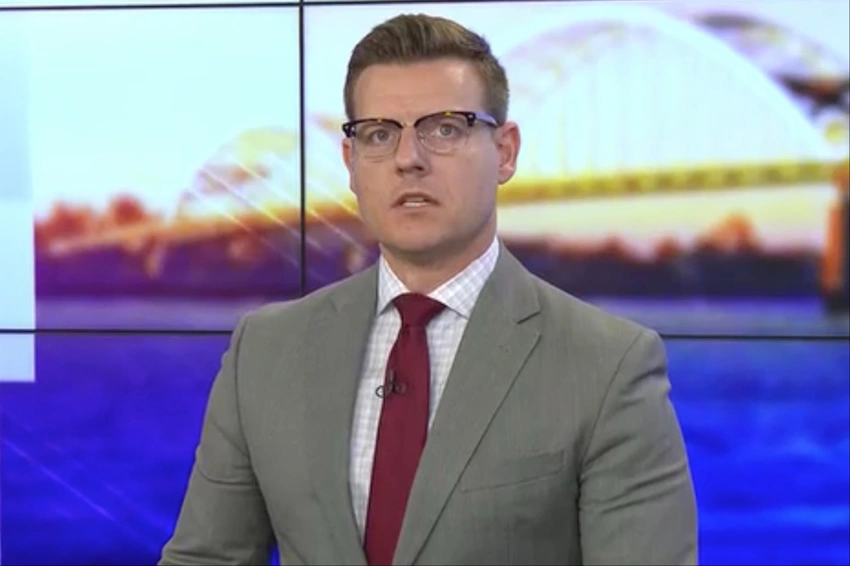
When Truth Bites Back: Journalists Expose 'Sanitized News'
Ever wondered why the news feels... too neat? We're diving deep into the growing crisis of trust in media, as brave journalists step forward to expose 'sanitized news' and challenge us all to break free from our echo cha
The ground beneath our feet feels increasingly shaky, doesn't it? In an era swamped by information, a paradox emerges: widespread access to news often coexists with a profound sense of being misinformed. At the heart of this unease lies a deepening crisis of trust in media, a phenomenon exacerbated when the very people tasked with reporting the truth start sounding the alarm.
Imagine a scenario where a seasoned journalist, after years on the front lines, makes a public declaration about the industry's failure to deliver 'unvarnished truth.' This isn't just a disgruntled employee; it's a crack in the edifice of what we perceive as objective reporting. When journalists speak out against 'sanitized news,' they're not just complaining; they're shining a spotlight on systemic issues that threaten the core principles of a functioning democracy.
What is 'Sanitized News' Anyway?
'Sanitized news' isn't necessarily outright falsehoods. More often, it's a careful curation of information designed to avoid controversy, appease advertisers, or align with a particular narrative – perhaps even an unintentional consequence of striving for 'balance' that ends up flattening critical edges. It's the omission of crucial context, the downplaying of uncomfortable facts, or the framing of stories in a way that keeps audiences comfortable rather than informed. The goal, consciously or unconsciously, becomes to maintain engagement or avoid backlash, rather than to challenge perceptions or foster critical thinking.
The Journalist's Burden and Courage
For a journalist to publicly critique this environment takes immense courage. These are individuals who often dedicate their lives to seeking truth, only to find their efforts constrained by corporate interests, the relentless pursuit of ratings, or the subtle pressures of editorial policy. When they say that their job is to "take people out of their bubbles and comfort zones," they are articulating the fundamental, often uncomfortable, role of true journalism. It's about presenting perspectives that challenge, facts that discomfort, and contexts that broaden understanding, even if it's not what the audience wants to hear.
This isn't about promoting sensationalism. It's about integrity. It's about the conviction that a well-informed public is the bedrock of a healthy society. When news is overly polished, when dissenting voices are muted, or when complex issues are reduced to soundbites, the public becomes less equipped to make informed decisions, and societal divides only deepen.
Breaking the Cycle: What Can We Do?
The onus isn't just on the media industry; it's on us, the consumers. We need to become more discerning, more critical of our news sources, and more willing to seek out varied perspectives, even those that challenge our own preconceptions. Support for independent journalism, subscription to sources that prioritize depth over sensationalism, and a demand for transparency are crucial steps.
When a journalist makes a stand, it's a stark reminder: the fight for unbiased, comprehensive news is ongoing. It's a call to action for all of us to demand more, expect more, and actively participate in breaking free from the comfort of sanitized narratives. Our collective understanding of the world, and by extension, our future, depends on it.
