Iran Threatens Strait of Hormuz: Global Oil at Stake

Iran Threatens Strait of Hormuz: Global Oil at Stake
Tensions rise as Iran signals it could block the Strait of Hormuz, a chokepoint handling about 20 million barrels daily, risking shocks to global markets and China’s energy security.
A fresh wave of tension surrounds the Strait of Hormuz as Iran signals it may block the chokepoint through which roughly 20 million barrels per day of crude and refined products pass, a share that amounts to nearly one-fifth of global oil consumption. The development has intensified uncertainty in global energy markets and could ripple across Asia’s largest economies depending on how events unfold in the Gulf.
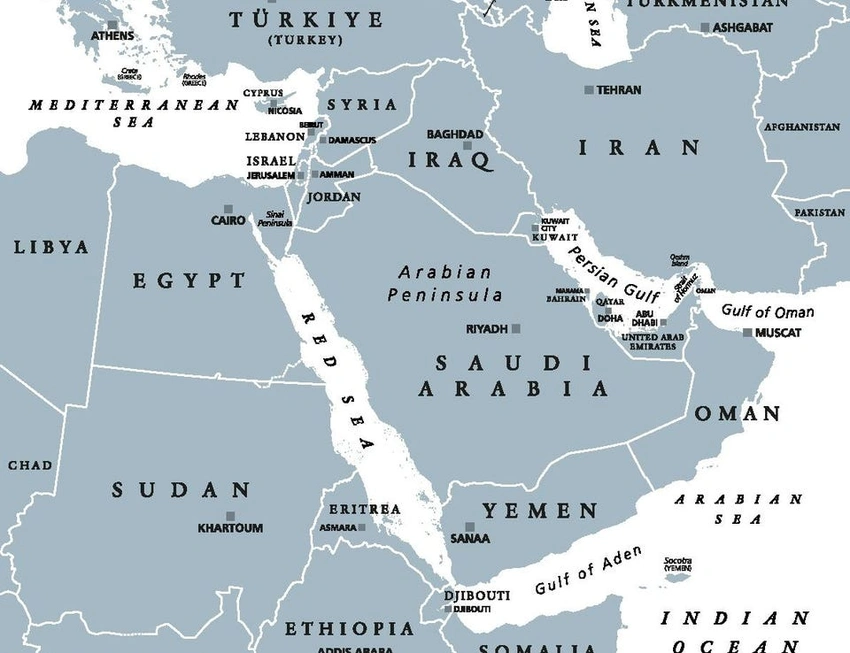
Iran’s Revolutionary Guards warned that no vessel would be allowed to pass through the strait, a critical link between the Gulf’s major producers and the wider world. The waterway connects Gulf oil producers such as Saudi Arabia, Iran, Iraq and the UAE to the Gulf of Oman and the Arabian Sea, and its disruption would reverberate through global supply chains. While the threat highlights the fragility of a system built on longstanding access, oil traders and policymakers alike are watching for de-escalation and diplomatic channels to prevent a market shock.
Analysts note that even the possibility of a blockade could prompt emergency strategies. Countries heavily reliant on oil imports could tap strategic reserves to cushion a potential supply shock. The International Energy Agency requires its members to hold at least 90 days of net imports in strategic reserves, a cushion some nations could lean on should tensions flare.
China, the world’s largest crude importer and a principal energy consumer, would be notably exposed if flows were disrupted. Beijing has long diversified its energy sources and routes, but any prolonged halt in Hormuz could pressure prices and planning for a country that depends heavily on imports to fuel growth. Tehran, for its part, insists that attacks are aimed at American targets and denies plans to close the strait, framing the actions as self-defense and retaliation against what it calls aggression by the United States.
Market observers caution that much of the rhetoric might be posturing amid ongoing hostilities, and actual closure of the strait remains uncertain. Yet the fact remains: a disruption there would ripple across economies, tiered from energy buyers in Asia to transit-dependent markets in Europe and beyond. The situation underscores the importance of diplomatic engagement to stabilize supply chains while regional actors navigate a tense geopolitical landscape.

Login to comment.
No thots yet. Be the first to share your thoughts!