BBC moves to dismiss Trump's Panorama edit defamation suit

BBC moves to dismiss Trump's Panorama edit defamation suit
BBC asks a Florida court to drop Trump's defamation case over a Panorama clip of his Jan 6 speech, arguing lack of jurisdiction and no proven harm.
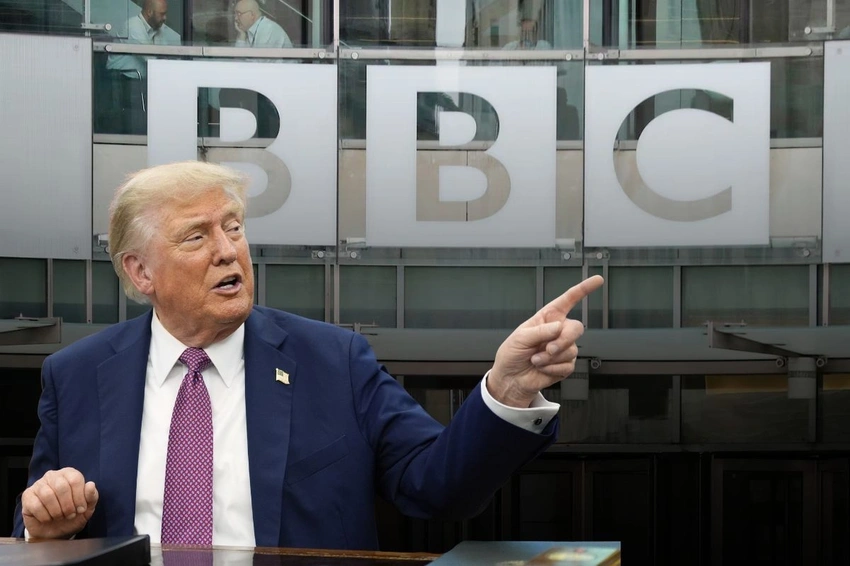
In Florida, the BBC has filed a motion to dismiss Donald Trump’s defamation lawsuit over how a Panorama documentary edited his January 6, 2021 speech. The broadcaster argues the court lacks personal jurisdiction, that the venue is improper, and that Trump has failed to state a claim that would support defamation or a violation of trade practices law. The case centers on a short clip extracted from a longer broadcast and whether that excerpt, viewed in the United States, could have harmed the former president's reputation. The BBC previously apologized for the edit but contends there is no factual basis for a defamation claim and that the alleged harm is unsubstantiated.
The BBC also contends that the Panorama program was not aired in the United States and that the documentary was not published in a way that could defame Trump. It disputes Trump’s claim that the show appeared on BritBox, stating this assertion is incorrect. In its filing, the BBC emphasizes that the clip—around 15 seconds long within an hour-long program—was presented in the broader context of extensive coverage of his campaign and supporters, and that there was no evidence of actual malice.
Trump filed a multi-billion-dollar lawsuit alleging defamation and violations of trade practices law, seeking damages purportedly tied to the edited footage. The BBC’s motion to dismiss focuses on lack of jurisdiction, improper venue, and the difficulty of proving the plaintiff’s claims against the broadcaster under US defamation standards. It also argues that Trump has not demonstrated that the documentary caused any real damages, noting his subsequent re-election victory and Florida’s support in the election.
The move underscores the legal complexity of cross-border media disputes, where questions about edited material, context, and perceived harm are central. A ruling on the BBC's motion will shape how courts handle claims based on edited footage and the publication of documentary content across borders.
