Delhi's air turns toxic as AQI hits 373; 12 stations report severe levels

Delhi's air turns toxic as AQI hits 373; 12 stations report severe levels
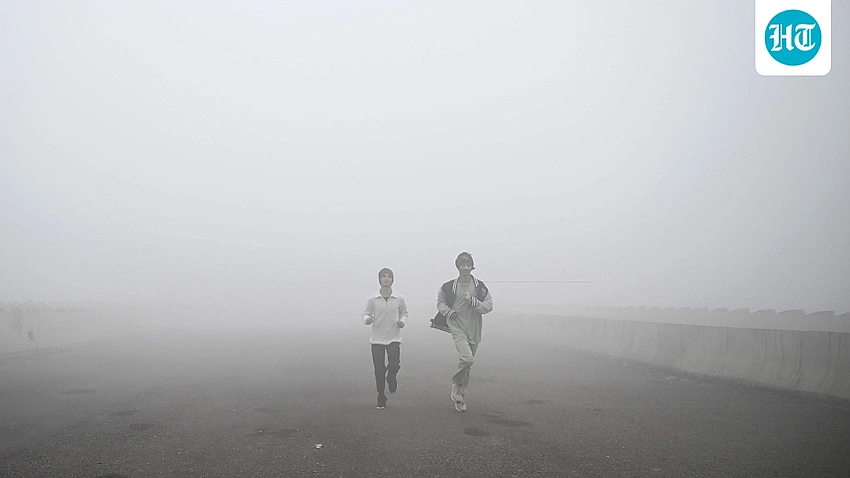
Thick haze blankets the capital with AQI at 373; authorities flag ongoing pollution as Delhi and nearby areas reel under severe readings.
A thick grey haze hung over Delhi as the city logged a 24-hour average Air Quality Index of 373, placing it firmly in the 'very poor' category. The Delhi-NCR region saw 12 out of 39 functional monitoring stations recording readings in the 'severe' zone, with Anand Vihar bearing the highest load at an AQI of 425. Noida followed as the second-worst with an AQI of 366, underscoring the widespread reach of the pollution spike.
CPCB data show vehicular emissions as the largest contributor to the pollution mix, accounting for 15.7 percent of the total share. Industrial activities in Delhi and its peripheries added 7.1 percent, while residential sources contributed 3.8 percent. Construction activities and waste burning trailed at 2.0 percent and 1.3 percent respectively. Within the NCR, districts such as Gurugram and Jhajjar emerged as significant contributors, each around the 8 percent mark, with other districts like Faridabad, Sonipat, Ghaziabad and Rohtak making smaller but notable contributions.
The Air Quality Early Warning System indicates that Delhi’s air quality is likely to hover between the very poor and severe categories over the next several days, with readings remaining above 300 on the horizon. December has seen sustained red-zone pollution, with AQI values above 300 reported from the start of the month through early days of this week. The air picture could shift slightly with weather changes, but officials warn that pollution from vehicles, industries, and burning activities will continue to influence levels in the near term.
Residents are urged to take protective steps—wearing masks when outdoors, limiting exposure during peak hours, and following local advisories. City authorities continue to stress the need for tighter enforcement on emissions and stricter controls on industrial and construction sites, as well as public awareness campaigns to curb waste burning. The coming days will reveal whether meteorological changes bring relief or if pollution remains stubbornly entrenched in the capital’s skies.
