Why Moonshot AI's Kimi Has Silicon Valley on Edge

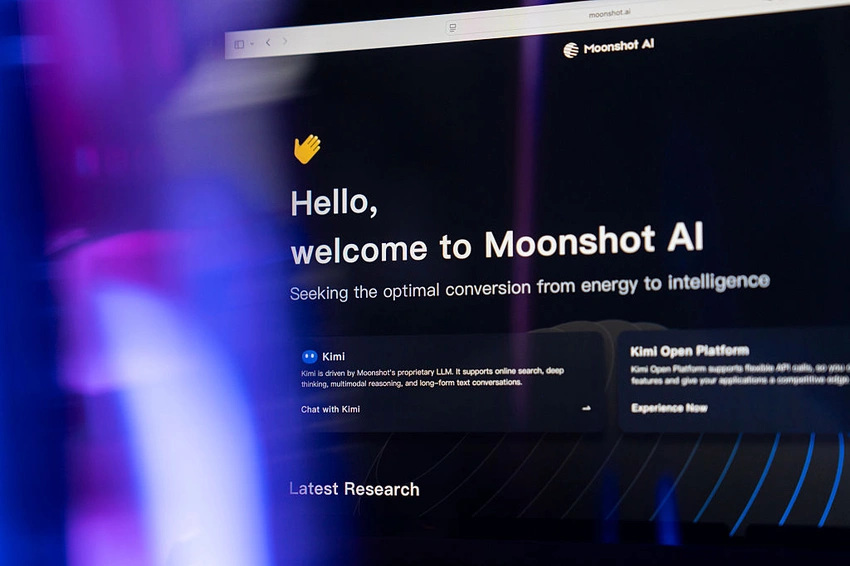
Why Moonshot AI's Kimi Has Silicon Valley on Edge
The rapid ascent of Moonshot AI's Kimi has sent shockwaves through Silicon Valley and Wall Street. We're diving deep into why this Chinese AI innovation is sparking serious panic.
There's a palpable tension humming through the corridors of Silicon Valley right now, a deep undercurrent of concern that's hard to ignore. It all boils down to one name: Kimi, from Chinese AI giant Moonshot AI. Make no mistake, this isn't just another competitor; Kimi's emergence has triggered genuine panic, shaking both tech giants and financial markets to their core.
For years, the narrative has often positioned Silicon Valley as the undisputed leader in cutting-edge AI development. But the speed and perceived sophistication of models like Kimi are forcing a serious re-evaluation.
It's not just about keeping pace; it's about the unsettling feeling that the ground beneath is shifting faster than anticipated.
The 'AI arms race' has always been a metaphor, but with the rapid advancements coming out of China, it feels more like a strategic reality.
What makes Kimi such a catalyst for this unease? While specific technical breakthroughs are often closely guarded, the market's reaction speaks volumes. It suggests a level of capability, perhaps in areas like context window, long-form understanding, or multi-modal processing, that has blindsided some of the established players.
It's about a legitimate threat to perceived dominance, spurring questions about investment strategies, talent acquisition, and ultimately, global technological leadership.
The anxiety isn't limited to the tech sector alone. Wall Street's reaction underscores the financial implications of this shifting landscape.
Investors are keenly aware that leadership in AI translates directly to economic power.
A strong showing from a Chinese competitor like Moonshot AI's Kimi could mean a significant re-allocation of capital and a re-evaluation of which companies are truly poised to dominate the future. It's a stark reminder that innovation doesn't adhere to geographical boundaries, and the pace of development can accelerate from unexpected quarters.
It's about the very nature of technological power. The fear isn't just losing market share; it's about the strategic implications for national security, economic competitiveness, and the future of innovation itself. The emergence of Kimi isn't just a blip on the radar; it's a siren call, signaling a new, intensified phase in the global race for AI supremacy.
Silicon Valley's panic is a clear indicator that the game has fundamentally changed, and everyone is scrambling to adapt.
